

Romanian Government Falls After Failing to Secure Parliamentary Votes Amid AUR Boycott
Translated from Romanian, summarized and contextualized by DistantNews.
At a glance
News
Named sources
Outcome reported
- The Romanian government, led by Adrian Veștea, failed to secure parliamentary approval for its investiture.
- Only 207 votes were cast in favor, falling short of the required 233, amid a boycott orchestrated by the AUR party leader.
- The AUR leader cited broken promises and a decline in living standards as reasons for his party's refusal to support the new executive.
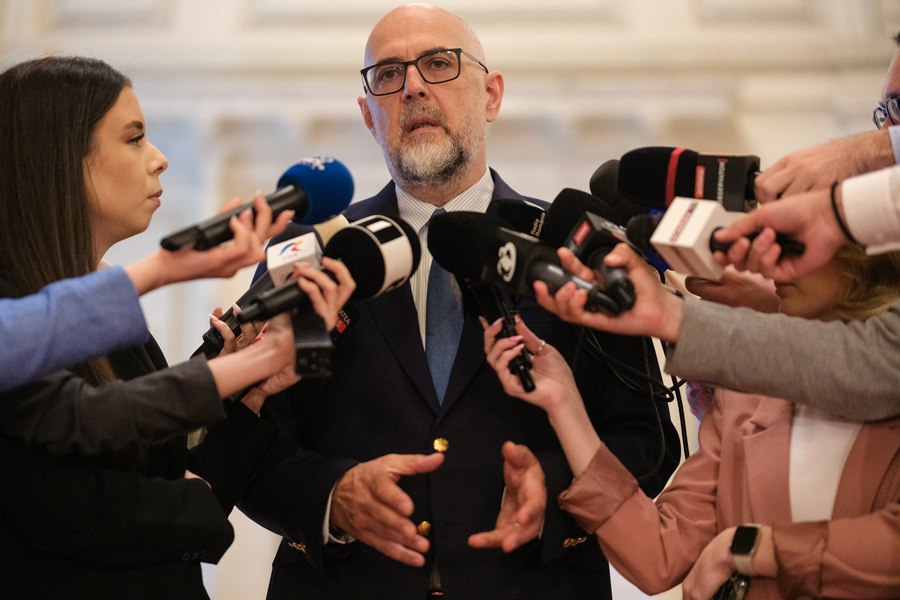
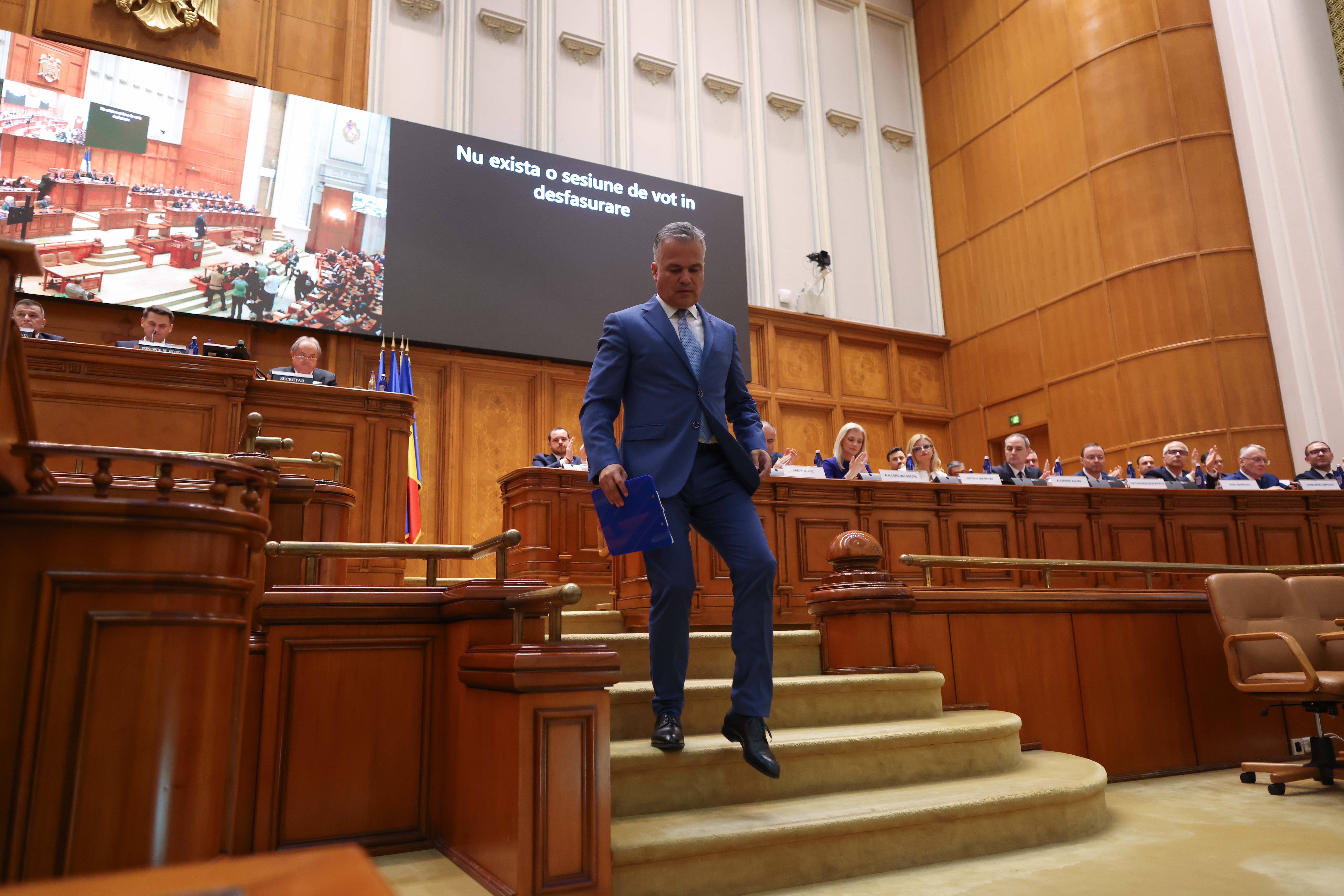
Romania's newly formed government, headed by Adrian Veștea, collapsed Monday evening after failing to win a parliamentary vote of confidence. The cabinet secured only 207 votes, falling short of the 233 needed for investiture, in a dramatic turn of events. The decisive blow came when George Simion, leader of the AUR party, announced his party's refusal to support the government. Simion orchestrated a mass walkout from the parliamentary session during the vote, declaring the chamber "synonymous with betrayal." He criticized Romanian politics as having become "synonymous with betrayal" and lamented a decline in living standards, stating Romania has fallen to "last and second-to-last place in all rankings" despite promises of prosperity. Simion urged the Romanian people to forge a new future, rejecting leadership by "traitors." He stated that while he would not obligate his colleagues, he personally would not remain for the vote. "From tomorrow, we expect to forge a new future for Romania, for our country," he declared. Earlier in the day, the Veștea cabinet faced tense confirmation hearings. While most ministerial nominees received favorable reviews, concerns were raised. Monica Anisie, proposed for Education, faced accusations of using artificial intelligence to formulate her answers. Siegfried Mureșan of the PNL also criticized the AUR's involvement, stating Romania does not need a government negotiating with "Russia's friends."
Betrayal has been the order of the day and has somehow entered the banal, the everyday.
DistantNews Editorial
Originally published by Adevărul in Romanian. Translated, summarized, and contextualized by our editorial team with added local perspective. Read our editorial standards.
More Stories

From Our Blog

What Gets Lost (and Found) When News Is Translated

The Critical Role of Diaspora Media in Global News

What Travellers Should Know About Countries with Restricted Press

A Digital Nomad's Guide to Following Local News

How the Same Story Looks Different in Different Countries
