


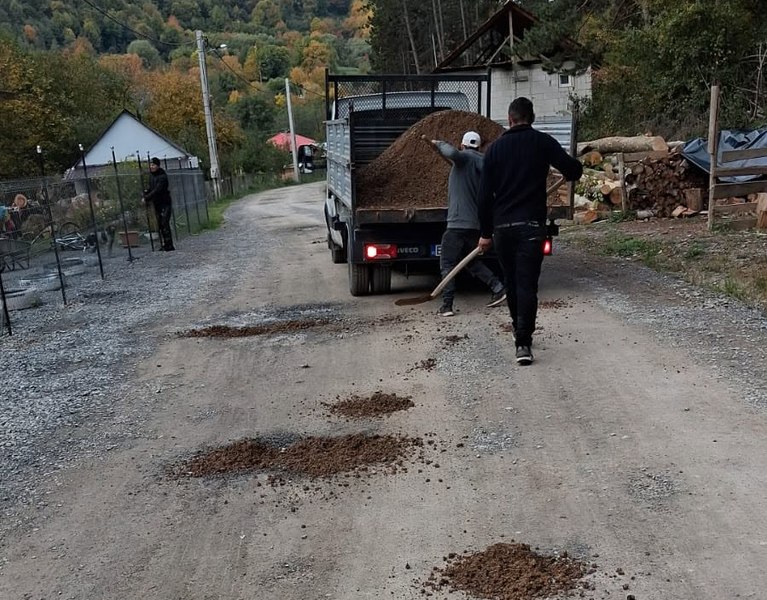
Romanian mayor accused of using contaminated railway gravel for roads
Translated from Romanian, summarized and contextualized by DistantNews.
At a glance
News
Named sources
Under investigation
- The mayor of Bratca, Bihor county, is facing a criminal complaint and environmental investigation for allegedly using contaminated railway gravel for local roads.
- A local resident claims the gravel, potentially containing oil and diesel, poses a risk to public health and the environment.
- Environmental authorities are investigating the use of such materials, which require decontamination due to hazardous substances like creosote and oil residues.
The mayor of Bratca, a commune in Bihor county, Romania, is under scrutiny following accusations of using contaminated railway gravel to repair local roads. Mayor Dan Precup faces a criminal complaint and an investigation by the Bihor Environmental Guard over the alleged improper use of this material.
He ordered and coordinated the theft of a significant quantity of stone, property belonging to the railway operator.
A local resident, Mario Tătar, filed the complaint, asserting that the mayor directly oversaw the operation to remove and use a significant quantity of gravel from the old railway embankment. The material, reportedly transported by municipal equipment, was allegedly dumped in an unauthorized area behind the local market. Tătar claims the tractor used for transport was driven by a municipal employee on medical leave.
Concerns have been raised about the potential health and environmental risks associated with the gravel. The resident noted that the material, impregnated with oils and diesel, could contaminate soil, groundwater, and wells. Following recent rains, locals reported that the water in the area had turned yellowish, appeared oily, and smelled of diesel, prompting further complaints to the Environmental Guard.
Being impregnated with oils and diesel, it can generate a risk for the environment and the health of the population.
Environmental officials emphasized that materials from railway infrastructure are strictly regulated. Sever Șerbănescu, chief commissioner of the Bihor Environmental Guard, explained that railway sleepers are treated with dangerous substances like creosote, and gravel used in embankments can be impregnated with oil residues. Such gravel requires decontamination at specialized facilities before reuse. Authorities have stated they will investigate the situation in Bratca and take necessary legal actions.
Legislation strictly regulates the regime of materials decommissioned from construction sites.
Initially, Mayor Precup denied the allegations, but later admitted that gravel had been taken, claiming a verbal agreement with railway representatives. He described the quantity as "2-3 cars," but could not provide official documentation or approvals for the operation.
Sleepers are impregnated with creosote, a very dangerous substance, which is why their reuse is completely forbidden. Gravel is impregnated with oil and diesel residues and can only be reused after decontamination.
DistantNews Editorial
Originally published by Adevărul in Romanian. Translated, summarized, and contextualized by our editorial team with added local perspective. Read our editorial standards.
More Stories



From Our Blog

What Gets Lost (and Found) When News Is Translated

The Critical Role of Diaspora Media in Global News

What Travellers Should Know About Countries with Restricted Press

A Digital Nomad's Guide to Following Local News

How the Same Story Looks Different in Different Countries
