

Rubio: US and China must maintain dialogue despite deep differences
Translated from English, summarized and contextualized by DistantNews.
At a glance
News
Named sources
Context piece
- U.S. Secretary of State Marco Rubio stated that significant issues persist in U.S.-China relations.
- He emphasized the need for continued dialogue between Washington and Beijing to prevent conflicts.
- Rubio highlighted that both nations must communicate to de-escalate potential points of friction.
U.S. Secretary of State Marco Rubio acknowledged on Tuesday that "significant irritants" continue to strain the relationship between the United States and China. Despite these deep-seated differences, Rubio stressed the critical importance of maintaining open communication channels between Washington and Beijing.
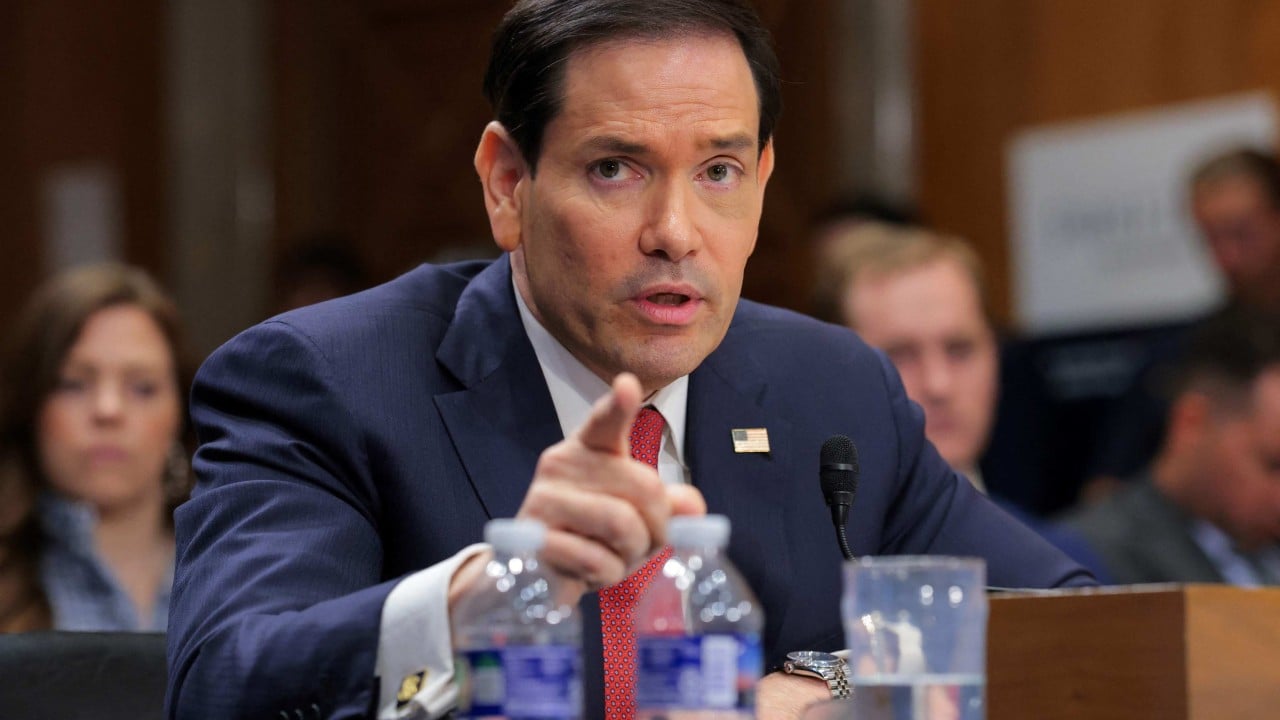
Speaking at a Senate Foreign Relations Committee hearing, Rubio stated that the world's two largest economies and most powerful militaries must engage in dialogue. This communication is essential, he argued, to prevent flashpoints from escalating into broader conflicts. The goal is to "de-escalate potential points of conflict that could lead to something broader."
Significant irritants remain in the US-China relationship but that Washington and Beijing needed to keep talking to stop flashpoints from erupting.
Rubio's remarks underscore the complex and often tense nature of U.S.-China relations. While acknowledging the substantial disagreements, he advocated for a pragmatic approach focused on managing competition and avoiding outright confrontation. The need for continuous communication, even amidst deep divisions, was presented as a key strategy for global stability.
The Chinese government and the US government have to... communicate to de-escalate potential points of conflict that could lead to something broader.
DistantNews Editorial
Originally published by South China Morning Post in English. Translated, summarized, and contextualized by our editorial team with added local perspective. Read our editorial standards.
More Stories



From Our Blog

Countries Without a Free Press: What You Need to Know

What Press Freedom Means for the News You Read

What Gets Lost (and Found) When News Is Translated

The Critical Role of Diaspora Media in Global News

What Travellers Should Know About Countries with Restricted Press
