


Ruling party proposes real estate tax reform; opposition calls it 'tax bomb'
Translated from Korean, summarized and contextualized by DistantNews.
At a glance
News
Named sources
New plan
- South Korea's ruling party proposed a real estate tax reform to normalize taxation, aiming to protect homeowners and adjust benefits for luxury and non-resident properties.
- The reform includes higher basic deductions for comprehensive real estate tax on primary residences and increased deductions for long-term residents, with a temporary easing of capital gains tax hikes for multi-homeowners until 2028.
- The opposition party criticized the plan as a
South Korea's ruling Democratic Party has proposed a significant real estate tax reform aimed at normalizing taxation, with party officials stating the goal is to protect primary homeowners while adjusting benefits for luxury and non-resident properties. The proposed changes include raising the basic deduction for comprehensive real estate tax on single-home residents and increasing capital gains tax deductions for those who have owned their homes for over 10 years. Additionally, the plan offers a temporary easing of capital gains tax hikes for multi-homeowners until 2028.
The goal of this reform plan is the normalization of taxation for growth and people's livelihoods.
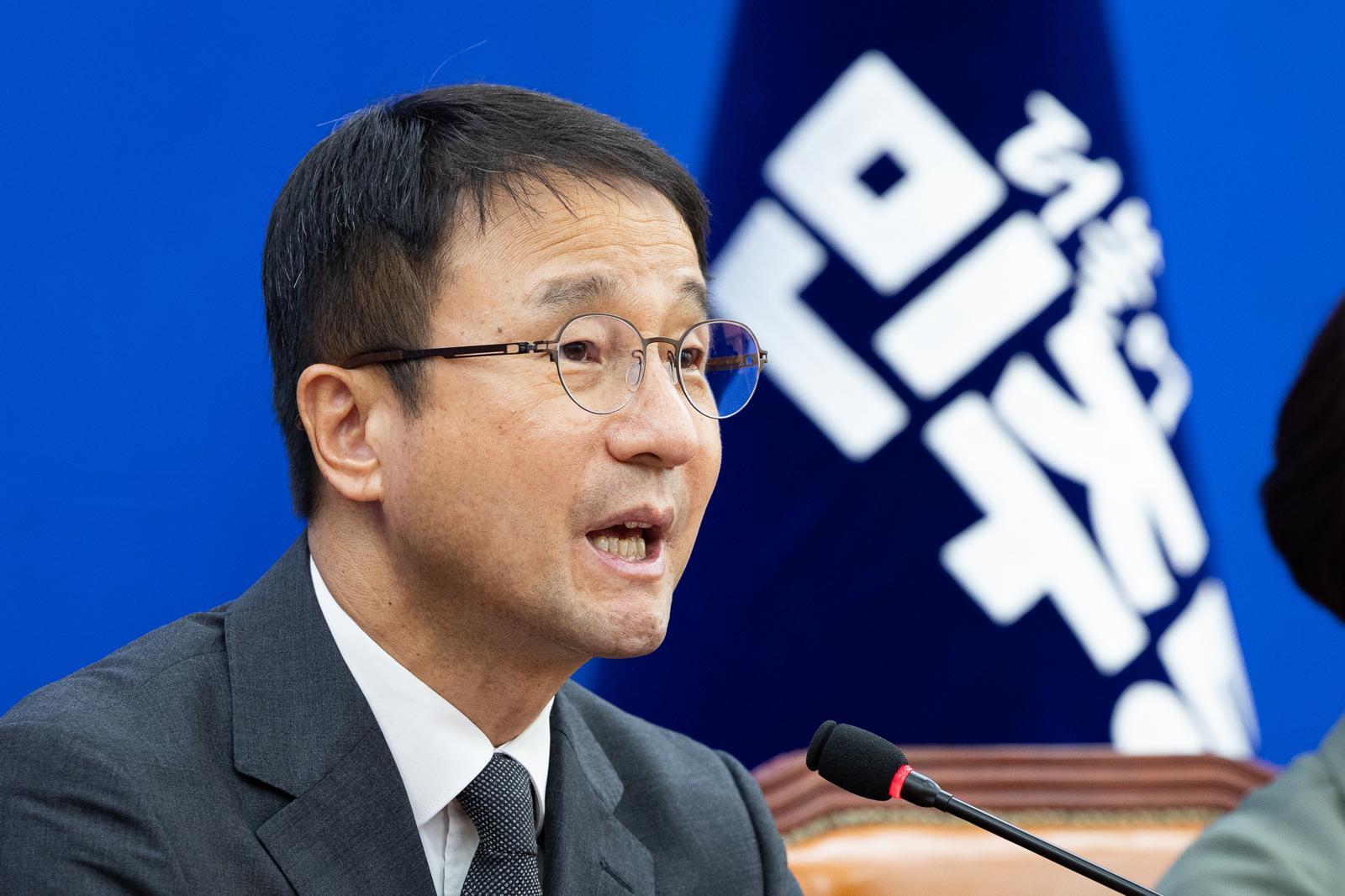
"The goal of this reform plan is the normalization of taxation for growth and people's livelihoods," said Han Byung-do, the acting leader and floor leader of the Democratic Party, during a party meeting. He emphasized that the reform seeks to protect those who own one home for residential purposes and to reasonably adjust the excessive benefits concentrated in ultra-luxury homes and non-resident properties. Han criticized the opposition People Power Party for repeating "old incitement" about a "tax bomb" while ignoring the support and protection measures included in the plan.
The People Power Party is repeating 'old incitement' about a 'tax bomb' while ignoring the support and protection measures.
However, the People Power Party has strongly opposed the proposal. Floor leader Jeong Hee-seung described the reform as a "declaration of dropping a tax bomb" in a Facebook post. He argued that the plan ignores the OECD's recommendation to lower transaction taxes when increasing holding taxes, calling it the "worst tax increase" that simultaneously strengthens both holding and transaction taxes. Jeong warned that the increased burden on owners of high-priced homes and non-resident single-family homes would be passed on to rental prices, leading to a surge in rents and exacerbating the economic burden on ordinary citizens.
The real estate tax reform plan announced yesterday is, in a word, a 'declaration of dropping a tax bomb'.
The Democratic Party stated that the government's proposal is a starting point for parliamentary discussions. They plan to carefully review the policy's effectiveness, public acceptance, and the system's predictability during the parliamentary review process. The party aims to foster a more rational and equitable real estate tax system.
It is the worst tax increase that simultaneously strengthens both holding and transaction taxes, ignoring the OECD's recommendation to lower transaction taxes when increasing holding taxes.
DistantNews Editorial
Originally published by Hankyoreh in Korean. Translated, summarized, and contextualized by our editorial team with added local perspective. Read our editorial standards.
More Stories


From Our Blog

What Gets Lost (and Found) When News Is Translated

The Critical Role of Diaspora Media in Global News

What Travellers Should Know About Countries with Restricted Press

A Digital Nomad's Guide to Following Local News

How the Same Story Looks Different in Different Countries
