


Rural basic income's funding source, the special tax, faces volatility concerns
Translated from Korean, summarized and contextualized by DistantNews.
At a glance
News
Named sources
Context piece
- South Korea's agriculture ministry is considering expanding a pilot program for a rural basic income, funded by a special tax on agriculture and fisheries.
- The tax revenue fluctuates significantly with stock market performance, raising concerns about stable funding for the program.
- Experts suggest restructuring expenditures within the special tax account to ensure consistent funding, even during market downturns.
South Korea's Ministry of Agriculture, Food and Rural Affairs is discussing the expansion of a pilot rural basic income program, which provides monthly payments to residents in depopulating areas. The program, currently in its second year of a two-year trial, distributes approximately 150,000 won in local currency vouchers per month. The initiative is gaining traction as a potential stable funding source for future rural development projects.
The rural basic income has been a two-year pilot project, and if it becomes a continuous project, the effect of attracting rural population will be further expanded.
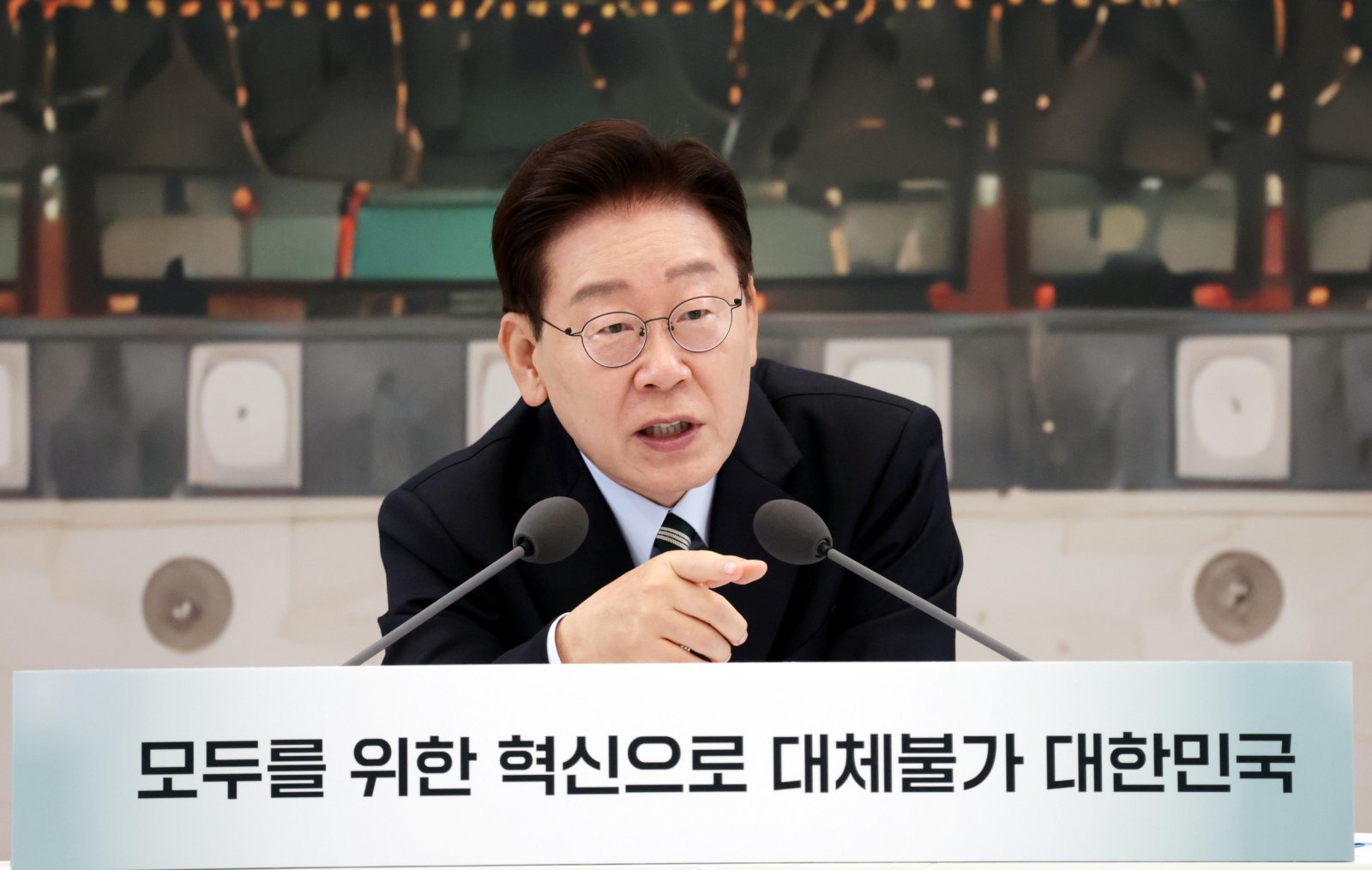
President Lee Jae-myung has directed officials to explore using the special tax on agriculture and fisheries (Nongteukse) as a consistent revenue stream for the rural basic income. This directive follows a significant increase in Nongteukse revenue, projected to exceed 18.5 trillion won this year, more than double last year's collection of 9.2 trillion won. This surge is largely attributed to a booming stock market, which has driven up trading volumes and consequently, the tax collected from stock transactions.
However, the reliance on Nongteukse for the basic income program raises concerns due to its inherent volatility. The tax revenue has historically fluctuated, dropping to 6.3 trillion won in 2020 and recovering to 8.9 trillion won in 2021, before falling again to 6.6 trillion won in 2023. This instability poses a challenge for long-term funding of rural development projects, which are currently financed through the Special Account for Rural Improvement. In years with lower tax revenue, general government funds have sometimes been used to cover shortfalls.
There is a need to review options like Nongteukse to prepare a stable funding plan for the basic income project.
To ensure a stable financial base for the expanded rural basic income, experts are calling for a significant restructuring of expenditures within the Nongteukse framework. Lee Sang-min, a senior research fellow at the Narsalrim Institute, suggests that unnecessary expenditures, particularly in some infrastructure projects, should be trimmed. This would create a financial buffer, ensuring that the program can be sustained at an estimated annual cost of 4.9 trillion won, even if stock market conditions lead to reduced tax collection.
In order to secure a level of expenditure that can be sufficiently covered even if Nongteukse revenue decreases due to stock market conditions, when expanding the rural basic income project to all depopulating areas nationwide, restructuring of some unnecessary expenditures such as infrastructure projects will be necessary.
DistantNews Editorial
Originally published by Hankyoreh in Korean. Translated, summarized, and contextualized by our editorial team with added local perspective. Read our editorial standards.
More Stories

From Our Blog

What Gets Lost (and Found) When News Is Translated

The Critical Role of Diaspora Media in Global News

What Travellers Should Know About Countries with Restricted Press

A Digital Nomad's Guide to Following Local News

How the Same Story Looks Different in Different Countries
