


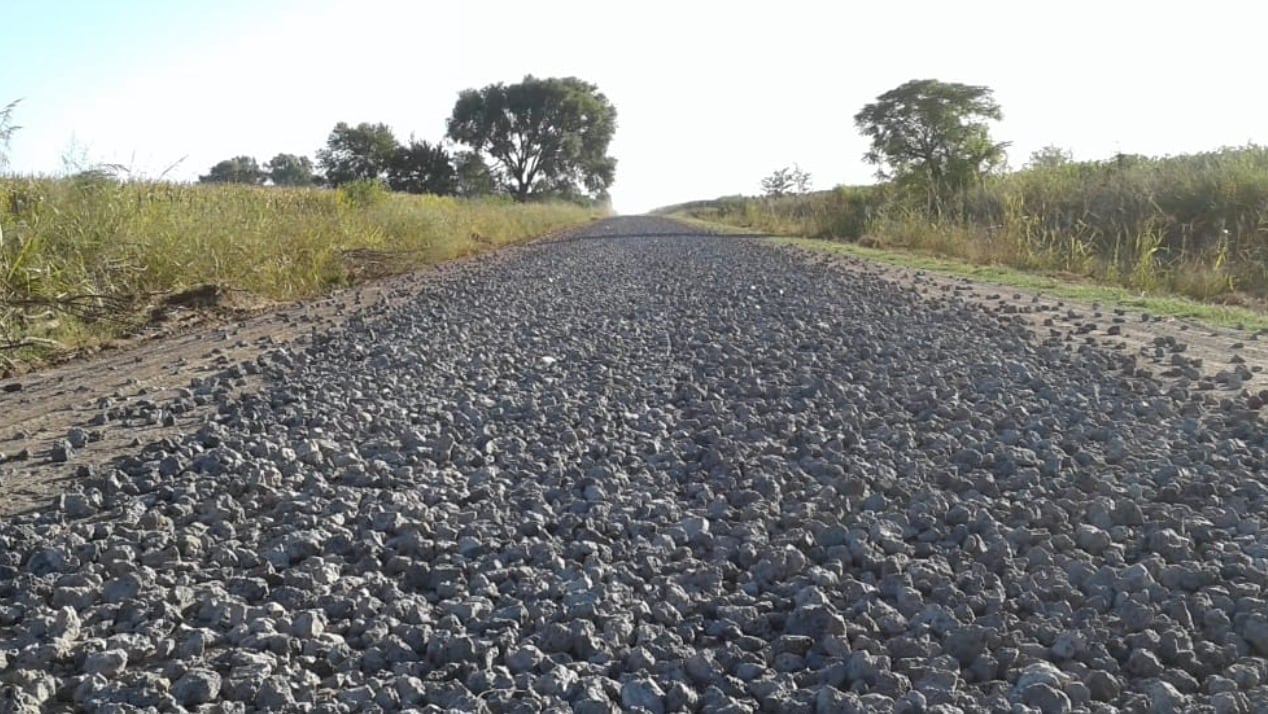
Rural Road Festival in Córdoba Town Declared Provincial Celebration
Translated from Spanish, summarized and contextualized by DistantNews.
At a glance
In-depth
Sources not specified
Context piece
- The Rural Road Festival in Tosquita, Córdoba, Argentina, has been declared a Provincial Festival after 27 years.
- The event honors those who maintain rural roads, crucial for the region's agricultural and livestock activities.
- It features parades, music, machinery displays, and the election of a queen, drawing neighbors from surrounding areas.
For 27 years, the rural roads of Tosquita, a small town in southern Córdoba, Argentina, have had their own celebration each October. The Rural Road Festival, initially conceived to honor the workers maintaining these vital routes, has grown into a significant event that now draws neighbors, local institutions, musical bands, and even machinery displays.
This year marks a new milestone as the festival has been officially declared a Provincial Festival by the Córdoba Legislature. The celebration's origins are deeply tied to the region's road consortiums, entities responsible for maintaining the infrastructure essential for the area's prominent agricultural and livestock industries. The festival serves to highlight and celebrate this crucial work.
What began as a tribute has evolved into a major local event, held annually the weekend before Mother's Day. It attracts residents from Tosquita and nearby towns. The festivities typically include a parade featuring local institutions, invited bands, and the very road maintenance machinery used in the region. Candidates for the festival's queen also participate in the parade before the evening's coronation ceremony.
The celebration continues into the night with a dinner at the Tosquita Recreational Club, bringing together locals and visitors. The election of the queen and a dance follow, extending the festivities into the early morning hours. The organization of the event is a collaborative effort between the municipality and the local road consortium, a partnership that has been in place since the festival's inception.
DistantNews Editorial
Originally published by La Nación in Spanish. Translated, summarized, and contextualized by our editorial team with added local perspective. Read our editorial standards.
More Stories



From Our Blog

What Gets Lost (and Found) When News Is Translated

The Critical Role of Diaspora Media in Global News

What Travellers Should Know About Countries with Restricted Press

A Digital Nomad's Guide to Following Local News

How the Same Story Looks Different in Different Countries
