

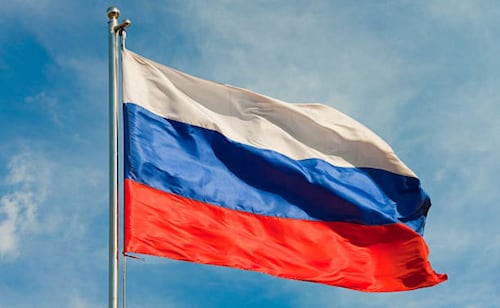
Russia bars pacifist opposition party Yabloko from elections
Translated from Spanish, summarized and contextualized by DistantNews.
At a glance
News
Sources not specified
In the courts
- Russia's Supreme Court barred the pacifist Yabloko party from September legislative elections.
- The party opposes the war in Ukraine and advocates for peace negotiations.
- Yabloko plans to appeal the ruling, citing alleged foreign funding.
Russia's Supreme Court on Monday barred the pacifist Yabloko party from participating in September legislative elections, excluding the only legal opposition party in the country that opposes the war in Ukraine. "The most important thing is that people stop killing each other," said Nikolay Rybakov, the party's leader, after the court hearing in central Moscow. The liberal party, which had nominated about 400 candidates, advocates for a ceasefire, peace negotiations, and the release of over 1,750 political prisoners. Yabloko, meaning "apple" in Russian, had its lists registered by the Central Election Commission in late July, a move unexpected by many analysts. However, after the commission published the ballots with the liberal party listed second, a smear campaign began, led by systemic parties loyal to the Kremlin that support the military operation in Ukraine. The Supreme Court sided with the ultranationalist Rodina (Motherland) party's lawsuit, which accused Yabloko of foreign funding and copyright violations, a claim supported by the Central Election Commission. The judge, Vyacheslav Kirillov, who also banned the Nobel Peace Prize-winning human rights organization Memorial in 2022, deemed Yabloko's exclusion justified based on documentation. Yabloko, which opposed both Chechen wars and the annexation of Crimea and four other Ukrainian regions, stated it will appeal the ruling within five days. A representative from the Central Election Commission presented a secret document to the judge, allegedly confirming the party's "foreign funding," which is strictly prohibited by law. Rosfinmonitoring, Russia's financial watchdog that compiles lists of extremists and terrorists, reportedly confirmed this before and during the current election campaign. Members of the party allegedly received money from countries like the United States, Germany, and the United Arab Emirates. Rybakov denied during the hearing that his party paid for its broad support on social media or that some intellectual property violations were rebutted during the process.
The most important thing is that people stop killing each other.
DistantNews Editorial
Originally published by El Universal in Spanish. Translated, summarized, and contextualized by our editorial team with added local perspective. Read our editorial standards.
More Stories
From Our Blog

What Press Freedom Means for the News You Read

What Gets Lost (and Found) When News Is Translated

The Critical Role of Diaspora Media in Global News

What Travellers Should Know About Countries with Restricted Press

A Digital Nomad's Guide to Following Local News
