


Russia rewrites history for schoolchildren
Translated from German, summarized and contextualized by DistantNews.
At a glance
News
Named sources
New plan
- Russia has introduced new, unified history textbooks for grades 7 and 8, which will be mandatory from September.
- These books alter historical narratives, for example, by changing the start of modern history and rephrasing the concept of serfdom.
- The revisions align with the government's post-invasion agenda, including framing the war in Ukraine as a defensive act and linking unrelated events to justify actions.
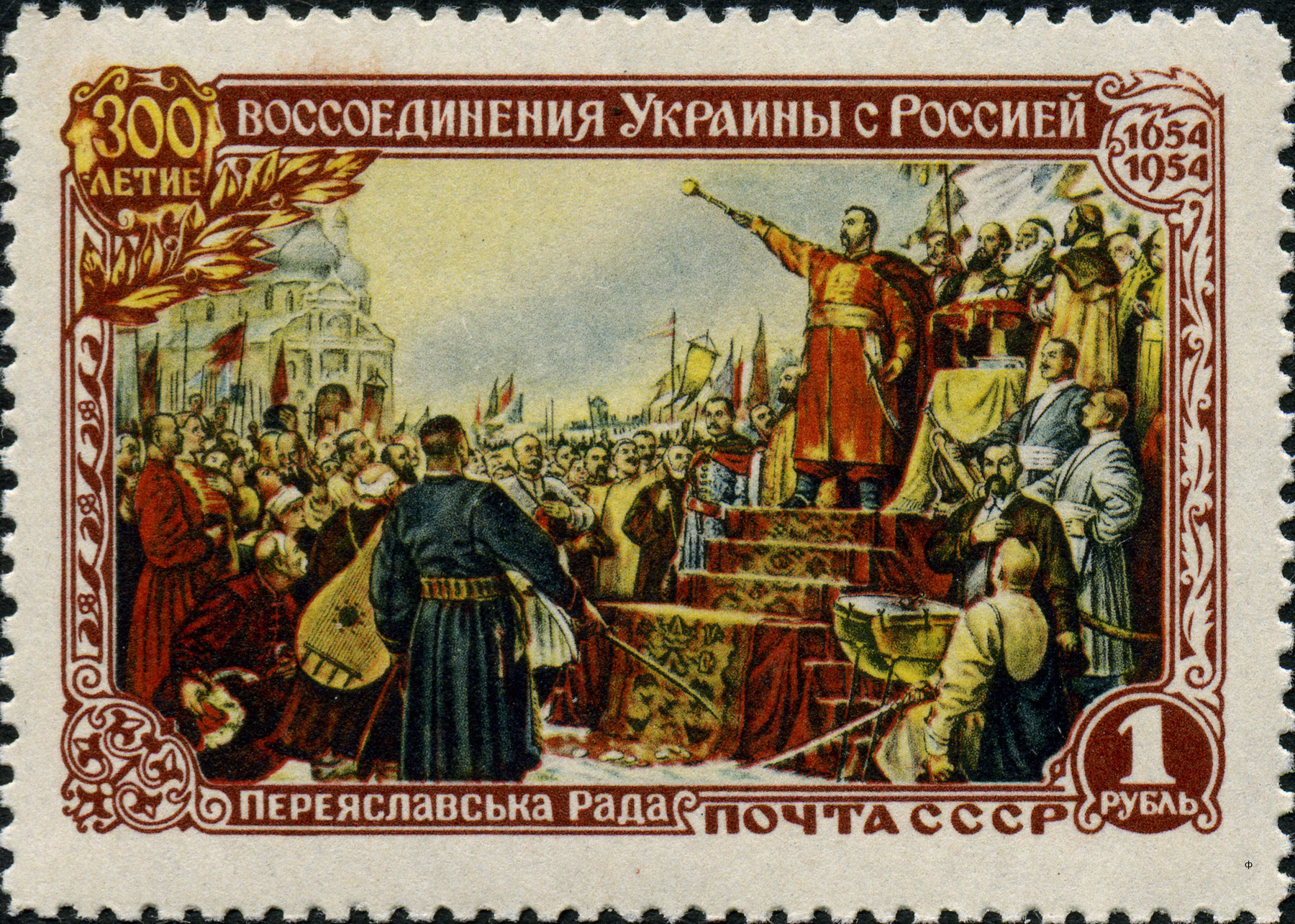
Russia is implementing a sweeping overhaul of its history education, introducing new, unified textbooks for seventh and eighth graders that will become mandatory this September. These revised books significantly alter historical narratives, reflecting the Kremlin's post-invasion agenda and aiming to shape a new generation's understanding of the past.
The 'Kievan Rus' is now called something else entirely.
Among the notable changes, modern history no longer begins with the discovery of America in 1492 but shifts to 1533 in Russia. The concept of serfdom, previously described as a form of servitude to the Tsar, is now rephrased. Instead of "serfs," all secular estates are described as "servants and taxpayers." Internal conflicts, such as the civil war under Ivan the Terrible, are reframed from being primarily caused by the ruler to a "division of society."
These revisions are part of a larger project initiated shortly after the invasion of Ukraine to create standardized history textbooks for all grades, from fifth to eleventh, including those in occupied Ukrainian territories. An earlier version for eleventh graders, hastily produced, described the "special military operation" as a preemptive defense against Western aggression. Following numerous corrections submitted by teachers, a revised edition was released in July, highlighting Trump's "positive role" in a peace process and linking the Crocus City Hall attack and an alleged Ukrainian attempt to breach the Kursk nuclear power plant.
All secular estates of the Russian Tsardom were considered, according to the language of the 16th century, 'serfs of the ruler'.
Russian and Ukrainian media have reported on these changes, noting that the "Kievan Rus" is now referred to differently. The new curriculum appears designed to consolidate a national historical narrative that supports current geopolitical objectives, potentially erasing or reinterpreting events to align with state ideology.
The brutal murder of dozens of people in Moscow's Crocus City Hall on March 22, 2024, and the attempted breakthrough by elite units of the Ukrainian armed forces to the Kursk nuclear power plant caused anger and outrage among Russian citizens.
DistantNews Editorial
Originally published by Die Presse in German. Translated, summarized, and contextualized by our editorial team with added local perspective. Read our editorial standards.
More Stories
From Our Blog

What Gets Lost (and Found) When News Is Translated

The Critical Role of Diaspora Media in Global News

What Travellers Should Know About Countries with Restricted Press

A Digital Nomad's Guide to Following Local News

How the Same Story Looks Different in Different Countries
