

Russia's Army Faces Manpower Crisis Amid High Ukraine Losses
Translated from Romanian and summarized by DistantNews. Read the original for the full story.
At a glance
News
Named sources
Ongoing story
- Russia is experiencing monthly personnel losses in Ukraine that exceed its recruitment capacity by approximately 6,000 soldiers, according to Western officials cited by The Guardian.
- The Kremlin's limited options to address this deficit include avoiding a costly new mobilization, which previously led to a significant outflow of skilled workers.
- Russia appears to be pursuing a war of attrition, hoping Western support for Ukraine will wane, while also using threats to sow division in Europe.
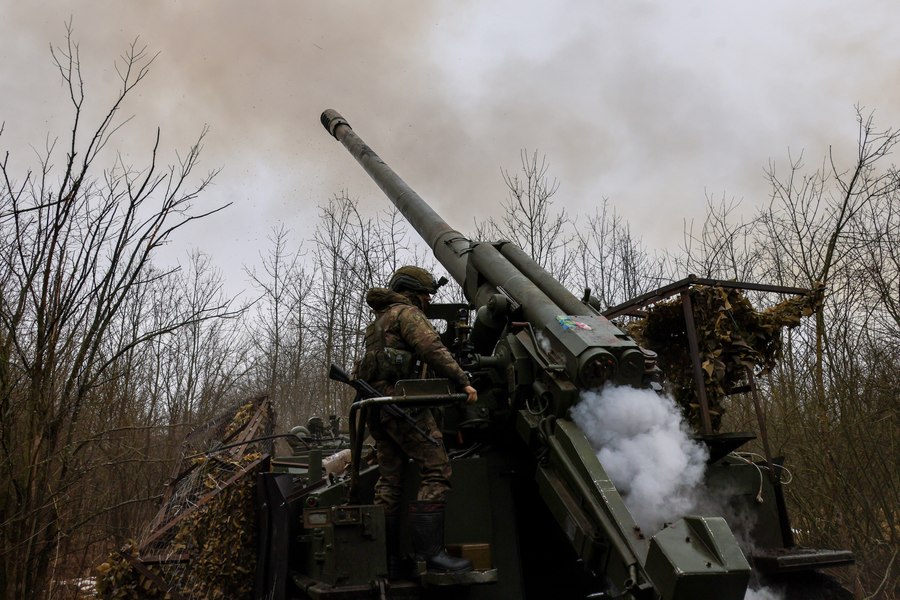
Russia's military is struggling to replace its losses on the front lines in Ukraine, with monthly casualties exceeding new recruit numbers by an estimated 6,000 soldiers, according to Western officials speaking to The Guardian.
Russia is experiencing monthly personnel losses in Ukraine that exceed its recruitment capacity by approximately 6,000 soldiers.
Despite attracting around 1,000 new recruits daily, this inflow is insufficient to cover the soldiers killed or wounded in recent months. This manpower shortage presents a significant challenge for President Vladimir Putin, who has limited options for replenishment. A large-scale mobilization, similar to the one in autumn 2022, could incur substantial political and economic costs, including the departure of skilled professionals. Furthermore, integrating hundreds of thousands of new recruits would strain the Russian army's resources, given existing shortages in equipment and training personnel.
Putin has limited options for replenishment.
In response to this deficit, Western officials suggest Russia has intensified attacks on Ukrainian civilian infrastructure, particularly the energy system, aiming to undermine morale before winter. Ukraine, meanwhile, continues to seek additional military aid from its Western allies, including air defense systems and long-range weaponry. British Prime Minister Andy Burnham recently pledged to share classified information on British-made cruise missile components with Kyiv.
A new mobilization could generate significant political and economic costs.
Western assessments indicate Russia remains a significant threat, employing cyberattacks and indirect operations against civilian targets. However, these officials believe Moscow is actively trying to avoid direct confrontation with NATO. Russia's strategy appears to be a protracted war of attrition, banking on diminishing Western support for Ukraine over time. The repeated threats from Russia are also seen as a tactic to fuel public fear and create divisions within Europe.
Russia remains a significant threat, including through cyberattacks or indirect operations against civilian targets.
About this summary
Originally published by Adevărul in Romanian. Translated, summarized, and contextualized automatically by DistantNews, with a note on how the source frames the story. Not individually reviewed before publishing. How this works.
More Stories

From Our Blog

What Gets Lost (and Found) When News Is Translated

The Critical Role of Diaspora Media in Global News

What Travellers Should Know About Countries with Restricted Press

A Digital Nomad's Guide to Following Local News

How the Same Story Looks Different in Different Countries
