

Russia's 'Night of Apocalypse' Kills 21 in Ukraine Amid Intense Air Raids
Translated from Greek, summarized and contextualized by DistantNews.
At a glance
News
Sources not specified
Ongoing story
- Russia launched one of its most intense air attacks in months, using 656 drones and 73 missiles against Ukraine, killing at least 21 people and injuring over 100.
- The strikes hit civilian infrastructure and energy facilities across Ukraine, with the deadliest attack occurring in Dnipro, where 15 people died in a residential building collapse.
- Ukrainian President Zelenskyy appealed to Western allies for immediate air defense reinforcements, while analysts debate whether Russia's escalation aims to exploit Ukraine's missile shortages or respond to Ukrainian strikes on Russian territory.
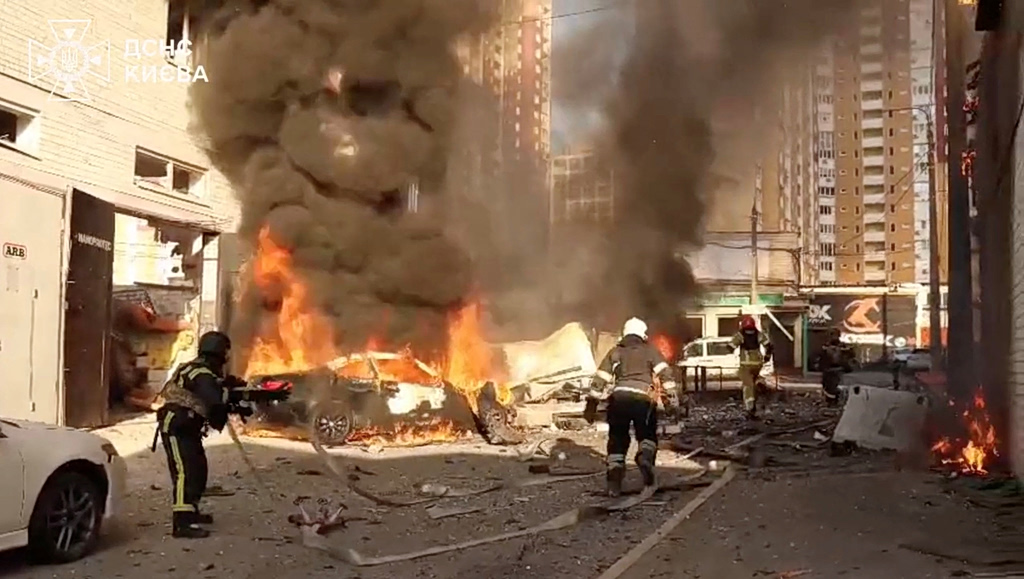
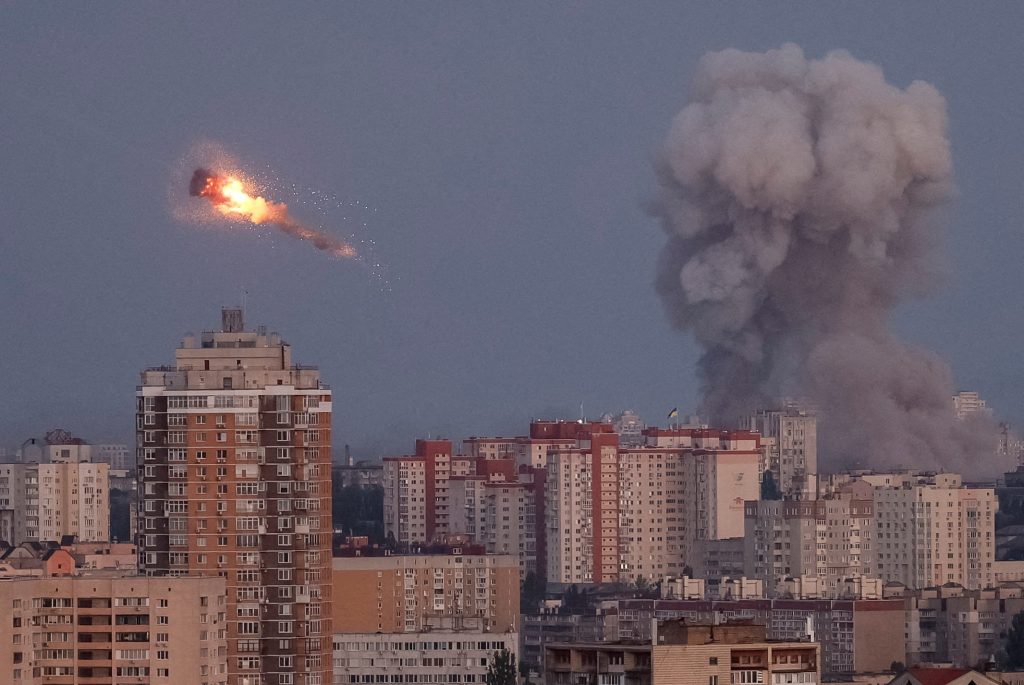
Russia unleashed a brutal aerial assault on Ukraine overnight, deploying 656 drones and 73 missiles in one of the most severe attacks in recent months. The barrage left at least 21 people dead, including two children, and injured over 100 others. Civilian infrastructure and energy facilities across the country bore the brunt of the assault.
The city of Dnipro suffered the heaviest casualties, with rescuers recovering the bodies of an eight-year-old boy and three women from the rubble of a residential building, bringing the local death toll to 15. In the capital, Kyiv, six people lost their lives as thick smoke enveloped the city center.
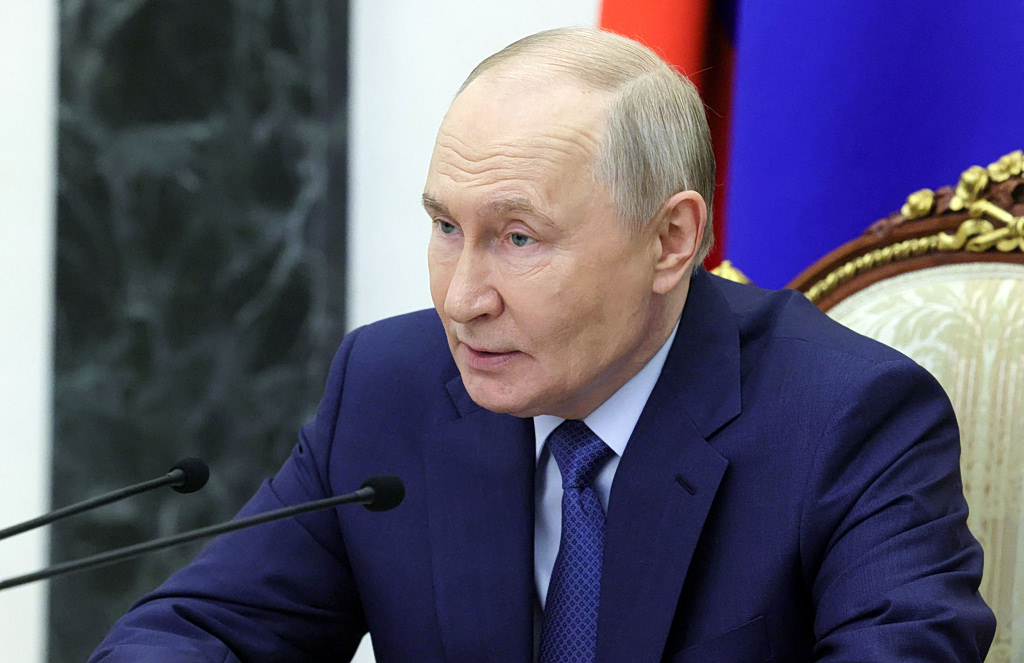
Kremlin spokesperson Dmitry Peskov stated the attacks were "systematic" and would continue, framing them as retaliation for previous Ukrainian strikes on occupied territories and targets within Russia. Ukrainian President Volodymyr Zelenskyy renewed his urgent appeal to the United States and Western allies for immediate air defense support, including Patriot missiles, warning that Ukraine faces mounting pressure from Russian attacks.
systematic strikes
International media and security analysts are actively discussing Moscow's motives. Some suggest Russia is exploiting Ukraine's limited anti-aircraft missile availability to increase pressure on critical infrastructure and civilians. Others link the escalation to frequent Ukrainian strikes on Russian military bases, airfields, and energy facilities, interpreting Moscow's actions as a bid to assert initiative and impose a high cost on Kyiv.
A secondary analysis posits that the intensity of the strikes reflects Russia's own strategic difficulties. This view suggests the mass air attacks serve as leverage in potential future diplomatic negotiations, aiming to strengthen Moscow's bargaining position. Military analysts also point to a potential war of attrition strategy, seeking to gradually deplete Ukraine's defense capabilities by overwhelming its air defense systems with a combination of drones and various missile types.
facing increasing pressure from Russian attacks
DistantNews Editorial
Originally published by Ta Nea in Greek. Translated, summarized, and contextualized by our editorial team with added local perspective. Read our editorial standards.
More Stories


From Our Blog

What Gets Lost (and Found) When News Is Translated

The Critical Role of Diaspora Media in Global News

What Travellers Should Know About Countries with Restricted Press

A Digital Nomad's Guide to Following Local News

How the Same Story Looks Different in Different Countries
