

Russia Secretly Helped Iran Develop Supersonic Cruise Missiles, Financial Times Reports
Translated from English and summarized by DistantNews. Read the original for the full story.
At a glance
News
Documents & data
Ongoing story
- Russia has reportedly helped Iran develop ramjet propulsion for a new generation of supersonic cruise missiles since 2023.
- The program allegedly involved Rosoboronexport, NPO Mashinostroyenia and Russian missile specialists, based on leaked correspondence, travel records and patents.
- Iran has reportedly built and flight-tested the propulsion system, but no Russian-assisted missile has been shown to have entered operational service.
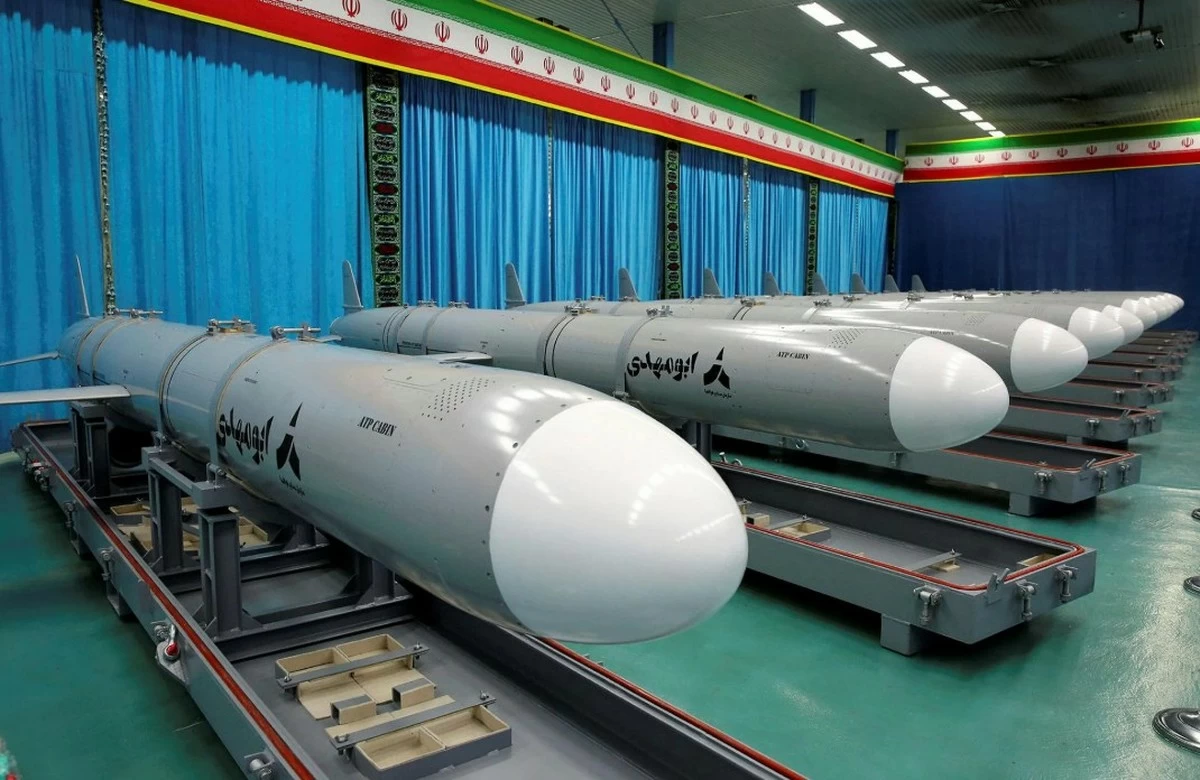
Russia has secretly helped Iran develop advanced supersonic cruise missiles capable of threatening US aircraft carriers and other warships in the Middle East, the Financial Times reported.
The newspaper said its investigation drew on leaked correspondence, travel records and military patents. The multiyear program, reportedly codenamed C430L, began in 2023 and involved Russian missile specialists helping Iran develop ramjet propulsion technology.
Ramjet engines can allow cruise missiles to travel several times faster than sound. Experts cited by the Financial Times said the technology was almost certainly intended for anti-ship and land-attack missiles. Iran has reportedly built and flight-tested the propulsion system, although no evidence shows that a Russian-assisted supersonic cruise missile has entered operational service.
The reported cooperation involved Russia’s state arms exporter Rosoboronexport and missile maker NPO Mashinostroyenia. Russian engineers allegedly analyzed data from an Iranian flight test and offered guidance on fuel systems, combustion stability, air intakes and engine nozzles.
The Financial Times reported that the cooperation continued into 2026 after the outbreak of the US-Israeli war with Iran. The two countries were reportedly discussing another phase of the program as recently as June.
About this summary
Originally published by Arab Times in English. Translated, summarized, and contextualized automatically by DistantNews, with a note on how the source frames the story. Not individually reviewed before publishing. How this works.
More Stories



From Our Blog

What Gets Lost (and Found) When News Is Translated

The Critical Role of Diaspora Media in Global News

What Travellers Should Know About Countries with Restricted Press

A Digital Nomad's Guide to Following Local News

How the Same Story Looks Different in Different Countries
