


Russia, US could continue space cooperation after ISS decommissioning
Translated from Romanian, summarized and contextualized by DistantNews.
At a glance
News
Sources not specified
Context piece
- Russia sees potential for continued space cooperation with the United States after the International Space Station (ISS) is decommissioned.
- Roscosmos head Yuri Bakanov stated that technical information has been exchanged, creating possibilities for joint orbital projects.
- Russia is also proceeding with its own orbital station, with the first module planned for launch in 2028, while supporting the extension of the ISS until 2030.
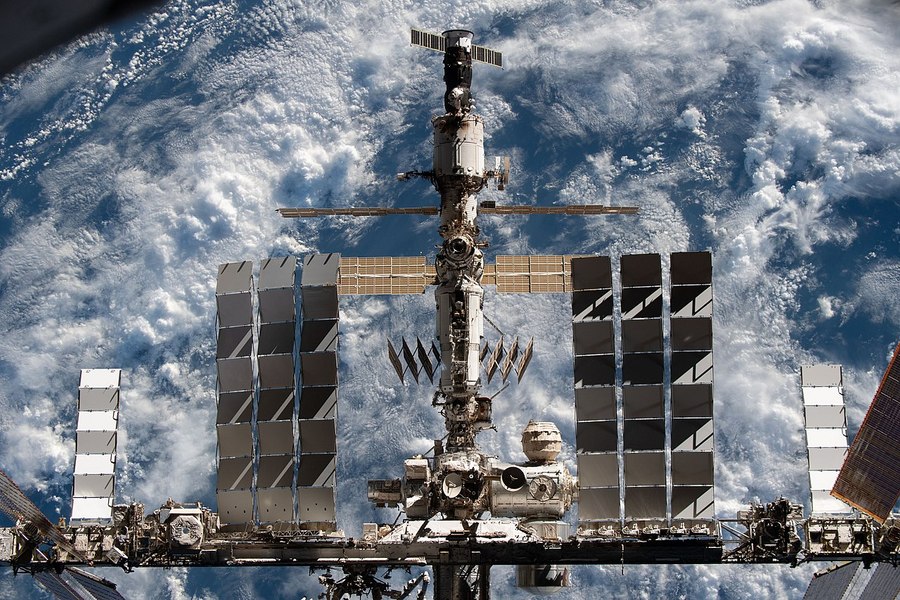
Russia believes cooperation with the United States in space can continue even after the International Space Station (ISS) is decommissioned. Yuri Bakanov, head of Russia's space agency Roscosmos, said Tuesday that both nations have exchanged technical details about their projects, opening doors for joint ventures in orbit.
A common infrastructure on orbit
Bakanov described the ISS as a vital "common infrastructure," comparing it to a "microstate orbiting Earth." He emphasized the necessity of mutual support between Russia and the U.S. on the station, even amid current political tensions. He noted that neither country can operate independently on the ISS and that one partner must be able to assist the other in case of emergencies.
Russia supports the U.S. proposal to extend the ISS's operational life until 2030, viewing it as a unique platform for further orbital experiments. However, this does not alter Russia's plans to develop its own space station. The first module of the Russian Orbital Station, the "universal node," is slated for manufacturing and launch in 2028.
one of the partners must be able to intervene to help the other.
The ISS, an international project initiated in 1998, has grown to include modules from seven countries and private space agencies. It currently comprises 16 modules and spans 109 meters. The ongoing collaboration on the ISS highlights the potential for continued partnership in space exploration despite geopolitical challenges.
Russia supports this proposal, considering that the ISS represents a unique infrastructure and that extending its activity would allow new experiments in orbit within the joint project.
DistantNews Editorial
Originally published by Adevărul in Romanian. Translated, summarized, and contextualized by our editorial team with added local perspective. Read our editorial standards.
More Stories



From Our Blog

What Gets Lost (and Found) When News Is Translated

The Critical Role of Diaspora Media in Global News

What Travellers Should Know About Countries with Restricted Press

A Digital Nomad's Guide to Following Local News

How the Same Story Looks Different in Different Countries
