


Russian losses could jump 50% this winter, Ukrainian commander estimates
Translated from Romanian, summarized and contextualized by DistantNews.
At a glance
News
Named sources
Context piece
- Ukrainian military officials estimate Russian losses could increase by 50% in winter due to reduced cover and improved thermal imaging capabilities.
- Commander Kirilo Veres of Ukraine's K-2 Brigade predicts monthly Russian casualties could reach 35,000-40,000 soldiers.
- Ukraine's drone systems currently account for 10-15% of Russian losses, a level they aim to maintain.
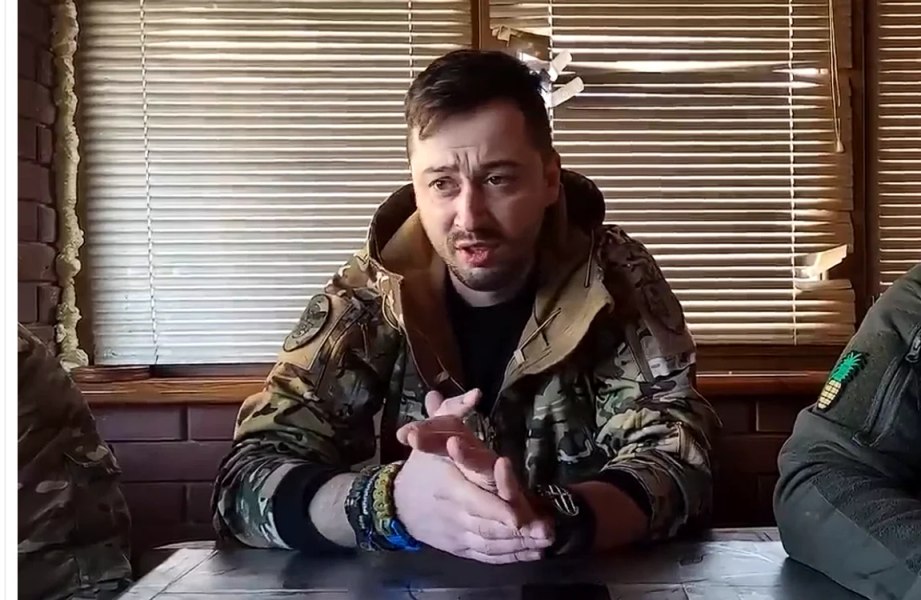
Russian military losses could surge by 50% this winter, according to a Ukrainian commander. Kirilo Veres, head of the K-2 Brigade within Ukraine's Unmanned Systems Forces, believes the onset of cold weather and the disappearance of vegetation will significantly hamper Russian troops.
Veres told Ukrainska Pravda that with less foliage for cover, Ukrainian forces will have greater maneuverability and better conditions for using thermal imaging cameras. "In winter, (Russian losses) will be one and a half times higher immediately [in terms of Russians killed]," he stated. "As soon as the vegetation falls, we will have a little more room to maneuver, and the thermal cameras will work better."
In winter, (Russian losses) will be one and a half times higher immediately. As soon as the vegetation falls, we will have a little more room to maneuver, and the thermal cameras will work better.
The commander estimates that Russian casualties could reach 35,000 to 40,000 soldiers per month during this period. He cautioned, however, that any significant advances might not be immediately apparent given the scale of Russian forces involved in the conflict.
Veres also highlighted the substantial contribution of Ukraine's drone systems, which are currently responsible for approximately 10-15% of all Russian losses on the front lines. "We are maintaining this level, with minor variations. This is a historic moment," he declared.
We are maintaining this level, with minor variations. This is a historic moment.
DistantNews Editorial
Originally published by Adevărul in Romanian. Translated, summarized, and contextualized by our editorial team with added local perspective. Read our editorial standards.
More Stories



From Our Blog

What Gets Lost (and Found) When News Is Translated

The Critical Role of Diaspora Media in Global News

What Travellers Should Know About Countries with Restricted Press

A Digital Nomad's Guide to Following Local News

How the Same Story Looks Different in Different Countries
