

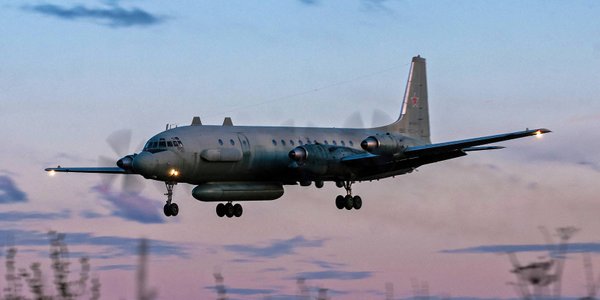

Russians can legally enter Polish ports, raising concerns in OSW report
Translated from Polish and summarized by DistantNews. Read the original for the full story.
At a glance
News
Documents & data
Context piece
- A report by Poland’s Centre for Eastern Studies says Baltic ports face military and economic espionage linked to Russia, along with frequent cyberattacks.
- Suspected surveillance methods include photography from land, drones, maritime observation and Russian sailors working on ships under other countries’ flags.
- Regional countries are considering measures ranging from access bans to private 5G networks to protect port and energy infrastructure.
Russian sailors can legally come ashore in Polish ports, a vulnerability highlighted in a new report from Poland’s Centre for Eastern Studies, known by its Polish acronym OSW. The report warns that Western Baltic ports face military and economic espionage carried out for Moscow, as well as cyberattacks that occur almost daily.
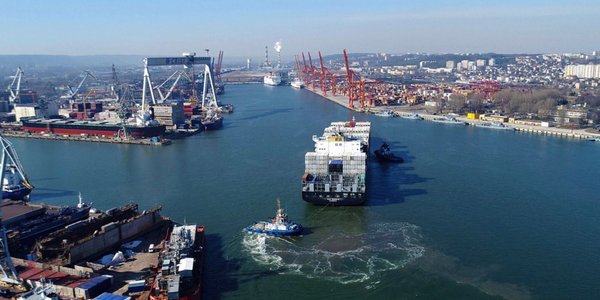
The Baltic’s major ports handle both container and bulk cargo. Gdańsk, St Petersburg, Klaipėda, Gdynia and Gothenburg rank among the region’s five largest container ports. For bulk cargo, three Russian ports, Ust-Luga, Primorsk and St Petersburg, join Gdańsk and Gothenburg in the top five.
The infrastructure carries direct strategic importance for Poland. Through the Naftoport terminal in Gdańsk, Orlen imports all the oil it processes at refineries in Gdańsk and Płock.
One of the main challenges currently facing Baltic ports is military and economic espionage. In recent years, Russia has intensified reconnaissance of key port infrastructure, including LNG and oil terminals, intelligence operations and the testing of security systems.
In its report, “Resilient Baltic: Security of Energy and Port Infrastructure and Maritime and Air Navigation,” OSW says Russia has intensified reconnaissance of key port facilities, including LNG and oil terminals. The activity also involves intelligence operations and tests of security systems. One stated objective is to gather information about military equipment shipments to Ukraine. Surveillance takes place from land, sea and air.
People have been detained in Latvia, Norway, Sweden and Poland while documenting port facilities suspected of attracting espionage activity, the report says. Drones are increasingly used for the same purpose. Russian sailors also create a potential channel for intelligence gathering when they work aboard ships flying other countries’ flags and visit European Union ports.
International law generally allows ship crews to go ashore. The report cites a Norwegian Police Security Service assessment from early 2026, which described Russian sailors as a serious cyber and sabotage threat to Norway. The regional response includes measures such as restrictions on access and private 5G networks, according to the report.
Although this information was generally not made public, it is known that people documenting port facilities and suspected of espionage activity were detained in Latvia, Norway, Sweden and Poland.
About this summary
Originally published by Rzeczpospolita in Polish. Translated, summarized, and contextualized automatically by DistantNews, with a note on how the source frames the story. Not individually reviewed before publishing. How this works.
More Stories


From Our Blog

News in Translation: What Gets Lost, and How We Keep the Framing

Diaspora Media: How Communities Abroad Follow Home

Traveling Where the Press Is Not Free: How to Read the News There

The Digital Nomad's Guide to Local News

The Same Story, Different Countries: How Coverage Changes at the Border
