


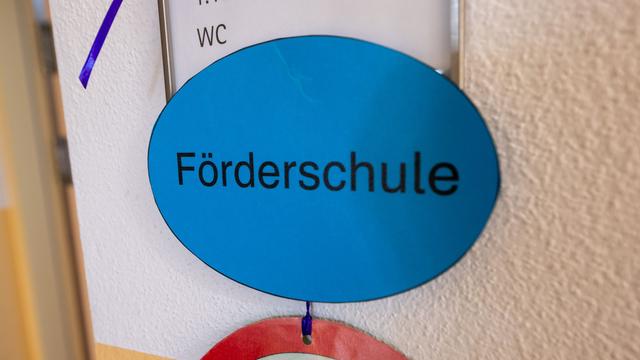
Saarland Aims to Strengthen Special Needs Schools
Translated from German, summarized and contextualized by DistantNews.
TLDR
- The Saarland state government in Germany plans to reform its special needs schools (Förderschulen).
- Proposed changes include shorter school commutes, new curriculum content like computer science, and making the 'Mittlere Reife' (intermediate school-leaving certificate) attainable.
- The reform aims to increase inclusion by teaching students with diverse needs together at regional centers, thereby reducing travel distances and supporting families.
In the German state of Saarland, a significant reform is underway to enhance the educational experience for students with special needs. The state's Ministry of Education has put forth a new ordinance for its 40 special needs schools, which currently serve approximately 4,100 students. This initiative reflects Germany's ongoing commitment to inclusive education, adapting its system to better meet the diverse requirements of its student population.
The proposed changes are multifaceted, aiming to improve accessibility, curriculum, and student outcomes. Key among these is the goal of shortening school commutes for students, a practical measure designed to alleviate burdens on families and improve daily routines. Furthermore, the curriculum is set to be modernized, incorporating subjects like computer science and digital literacy, essential skills for the 21st century.
A notable aspect of the reform is the expansion of educational pathways. The ordinance intends to make the 'Mittlere Reife'—an intermediate school-leaving certificate—accessible at more types of special needs schools, alongside the existing Hauptschulabschluss. This move aims to provide students with more robust qualifications and broader future opportunities, aligning with Germany's emphasis on vocational training and academic achievement.
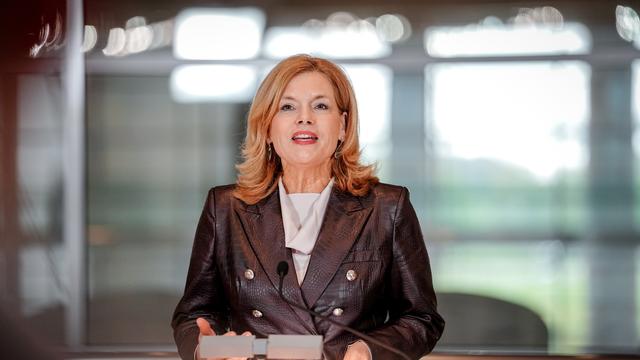
Crucially, the reform champions a more integrated approach to special education. By encouraging the joint instruction of students with varying special educational needs at regional centers, Saarland seeks to foster greater social inclusion and reduce the isolation often associated with specialized schooling. Education Minister Christine Streichert-Clivot highlighted that this strategy will not only shorten school routes but also relieve families and strengthen social integration within local communities. This approach underscores Germany's belief that education is a cornerstone of social cohesion and individual development.
So werden perspektivisch Schulwege verkürzt, Familien entlastet und die soziale Einbindung im Wohnumfeld gestärkt.
DistantNews Editorial
Originally published by Die Zeit in German. Translated, summarized, and contextualized by our editorial team with added local perspective. Read our editorial standards.
More Stories

From Our Blog

What Gets Lost (and Found) When News Is Translated

How the Same Story Looks Different in Different Countries

The Critical Role of Diaspora Media in Global News

What Travellers Should Know About Countries with Restricted Press

A Digital Nomad's Guide to Following Local News
