

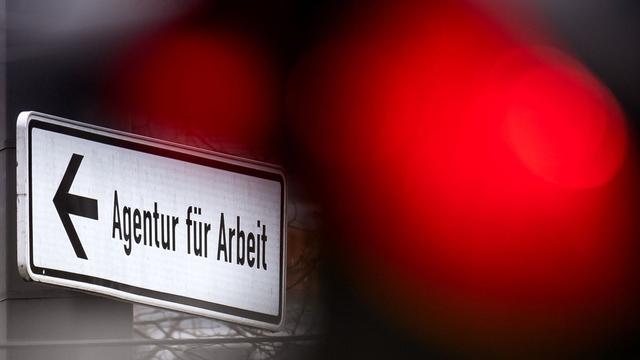

Saarland unemployment falls slightly as job demand declines
Translated from German, summarized and contextualized by DistantNews.
At a glance
News
Official statement
Context piece
- The number of unemployed people in Saarland, Germany, slightly decreased in June to 38,800, with the unemployment rate holding at 7.3 percent.
- Companies reported a significant 14.5 percent drop in demand for labor compared to the previous year, with 7,700 job openings registered in June.
- Socially insured employment saw a notable decline of nearly 4,000 people compared to last year, a more pronounced drop than in any other West German state.
The labor market in Germany's Saarland state shows signs of weakness, with a slight decrease in unemployment in June but a significant drop in job openings. The number of unemployed individuals fell by 100 to 38,800, keeping the unemployment rate steady at 7.3 percent. However, companies are signaling a slowdown, reporting 14.5 percent fewer job openings compared to last year.
The labor market in Saarland shows weakness.
Walter Hüther, head of the Regional Directorate Rhineland-Palatinate-Saarland for the Federal Employment Agency, expressed concern over the declining demand for labor. "The labor market in Saarland shows weakness," he stated. Since the beginning of the year, there has been a "significant minus" in reported open positions. In June, 7,700 job openings were registered, a 4.5 percent decrease from the previous year.
With concern I look at socially insured employment.
Adding to the concern, socially insured employment has decreased by nearly 4,000 people compared to the previous year. Hüther highlighted that this decline is "more pronounced in no other West German state." The most significant job openings were reported in the healthcare and social services sector, followed by manufacturing and temporary employment agencies.
In no other West German state is the decline so pronounced.
DistantNews Editorial
Originally published by Die Zeit in German. Translated, summarized, and contextualized by our editorial team with added local perspective. Read our editorial standards.
More Stories


From Our Blog

What Gets Lost (and Found) When News Is Translated

How the Same Story Looks Different in Different Countries

The Critical Role of Diaspora Media in Global News

What Travellers Should Know About Countries with Restricted Press

A Digital Nomad's Guide to Following Local News
