

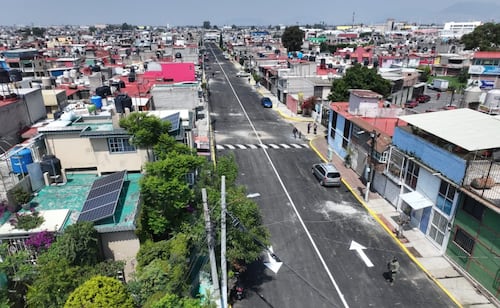
Saharan Dust to Reach Mexico; Which States Will Be Affected and What Are the Health Effects?
Translated from Spanish, summarized and contextualized by DistantNews.
At a glance
News
Official statement
Context piece
- Mexico is expected to receive a significant amount of Saharan dust, affecting several states including Quintana Roo, Yucatán, and Oaxaca.
- While generally not a direct health hazard, the dust can alter weather patterns, causing gray skies and reddish sunsets.
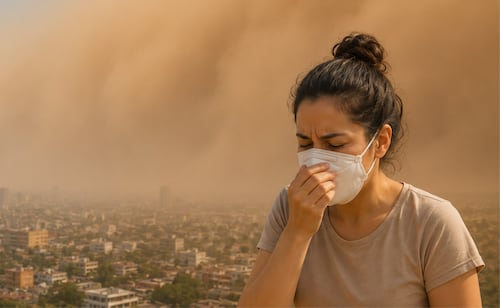
- Health precautions are recommended, as the dust contains fine particles that can exacerbate respiratory issues like asthma and bronchitis, and cause eye and skin irritation.
Mexico is bracing for the arrival of a substantial dust plume originating from the Sahara Desert in Africa. The National Meteorological Service (SMN) of the National Water Commission (Conagua) issued an alert for the incoming phenomenon, expected to impact various regions across the country.
According to the National Center for Disaster Prevention, sand and dust storms are common in arid regions globally. While these events are typically more prevalent in Africa, Central Asia, and China, the current plume is projected to affect a significant portion of Mexico. The dust is expected to primarily cover states such as Quintana Roo, Yucatán, Campeche, Tabasco, Chiapas, Veracruz, and Oaxaca. Its influence will extend across the Gulf of Mexico coast, the northwest, and the central highlands, potentially reaching Mexico City and surrounding states.
While the Saharan dust is not considered a direct danger to the population, it can influence meteorological conditions. Observers may notice changes in cloud cover, leading to gray skies, reddish sunsets, and fewer clouds in certain areas. The dust's impact on temperatures is also noted, with coastal Gulf regions potentially experiencing highs between 35-40°C, while the central highlands and the Valley of Mexico might see milder daytime temperatures that cool significantly at night.
Health authorities advise taking precautions to minimize potential health effects. It is recommended to avoid prolonged exposure to high concentrations of dust, seek shelter during events, and close air vents. Using masks and protective eyewear is advised if outdoor activity is unavoidable. The dust contains fine particles, viruses, bacteria, and fungi that can degrade air quality. Exposure is linked to increased instances of respiratory illnesses such as asthma and bronchitis, eye irritation, nasal congestion, sore throat, and skin discomfort. Individuals with pre-existing conditions, the elderly, and children are particularly advised to be cautious. The event is anticipated to last from Sunday, July 12, to Saturday, July 18.
DistantNews Editorial
Originally published by El Universal in Spanish. Translated, summarized, and contextualized by our editorial team with added local perspective. Read our editorial standards.
More Stories
From Our Blog

What Press Freedom Means for the News You Read

What Gets Lost (and Found) When News Is Translated

The Critical Role of Diaspora Media in Global News

What Travellers Should Know About Countries with Restricted Press

A Digital Nomad's Guide to Following Local News
