

Saharan dust to return to Guatemala, affecting air quality this week
Translated from Spanish, summarized and contextualized by DistantNews.
At a glance
News
Official statement
Context piece
- Guatemala will experience an influx of Saharan dust this week, affecting air quality with low to moderate concentrations.
- The phenomenon is projected to occur in periods from Sunday to Tuesday and again from July 4-6, with no significant presence expected mid-week.
- Guatemalan authorities state the dust levels do not pose a severe risk, and no emergency alerts have been activated.
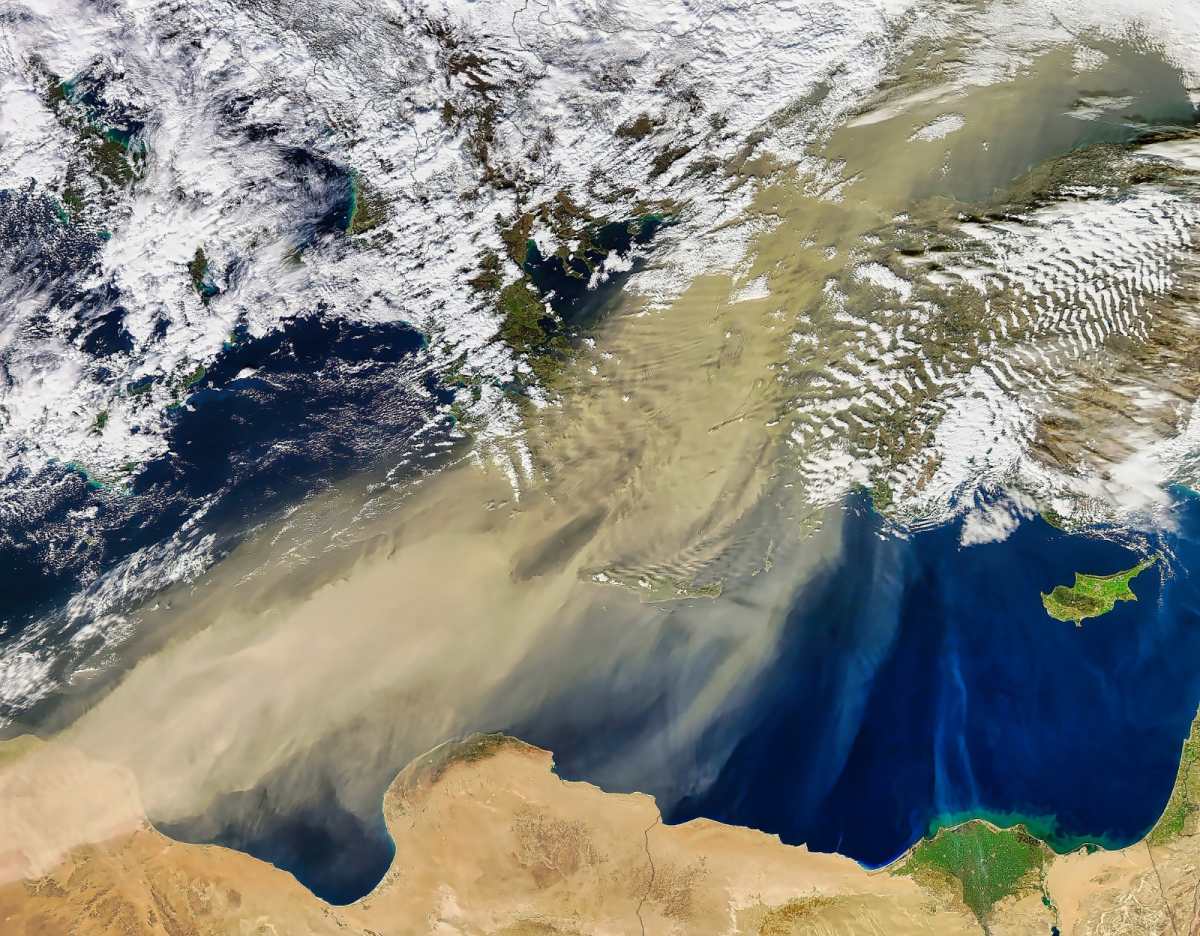
Guatemala is set to experience the arrival of Saharan dust this week, a phenomenon that will impact air quality with low to moderate concentrations, according to the National Institute of Seismology, Vulcanology, Meteorology, and Hydrology (Insivumeh).
The dust's trajectory is being monitored using the SKIRON prediction model from the University of Athens, which projects its presence in the region until July 8. The initial influx is expected from Sunday, June 28, through Tuesday. A brief respite is anticipated mid-week, with a potential second wave arriving from Saturday, July 4, to Monday, July 6.
The concentration of particles that will reach Guatemalan territory will range between 15 and 30 micrograms per cubic meter, which corresponds to low or moderate levels.
Projections indicate that the concentration of particles reaching Guatemala will range between 15 and 30 micrograms per cubic meter. Based on the model's scale, this falls into the low to moderate category, with higher concentrations defined as 25 to 100 micrograms per cubic meter. Insivumeh officials have clarified that these projected levels do not represent a severe risk to the country, and no emergency alerts or protocols have been activated.
Saharan dust events are a common occurrence in Guatemala, typically happening more frequently between June and August. While these events can affect air quality, reduce atmospheric visibility, and potentially cause health complications, particularly for individuals with respiratory conditions, the current forecast suggests a manageable impact.
With the projected values, the phenomenon does not represent a considerable risk for the country. Furthermore, they indicated that no alert or emergency protocol has been activated.
DistantNews Editorial
Originally published by Prensa Libre in Spanish. Translated, summarized, and contextualized by our editorial team with added local perspective. Read our editorial standards.
More Stories
From Our Blog

What Gets Lost (and Found) When News Is Translated

The Critical Role of Diaspora Media in Global News

What Travellers Should Know About Countries with Restricted Press

A Digital Nomad's Guide to Following Local News

How the Same Story Looks Different in Different Countries
