

Salary Law Stalls: Negotiations Postponed, Parties Seek More Time
Translated from Romanian, summarized and contextualized by DistantNews.
At a glance
News
Sources not specified
Ongoing story
- Negotiations for Romania's new salary law have been postponed, with political parties requesting more time to review the draft.
- The law is crucial for securing approximately 770 million euros in European funds under the National Recovery and Resilience Plan (PNRR).
- Trade unions are demanding the law be withdrawn and the reform restarted by a government with full powers.
Negotiations surrounding Romania's new salary law have been unexpectedly delayed, with political parties requesting additional time to scrutinize the draft legislation. The postponement comes just before the bill was expected to move through Parliament, highlighting the complex political maneuvering involved.
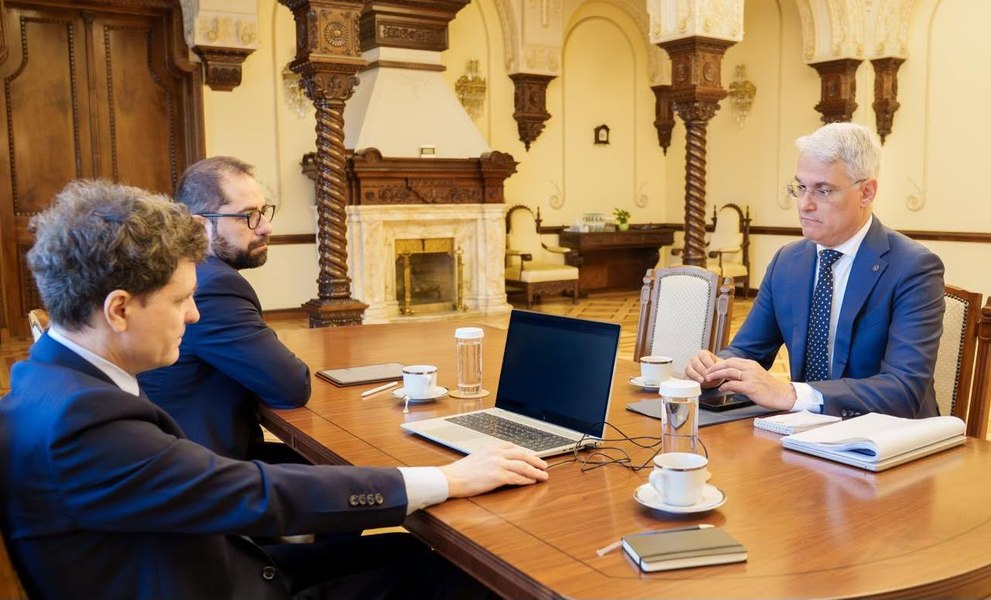
Initial meetings scheduled for Sunday at the Cotroceni Palace were rescheduled, first to Monday and then to Tuesday, involving party leaders and presidential advisor Nicușor Dan. While presidential advisors are pushing for swift action, political parties cite the need for thorough analysis of the project submitted by the Ministry of Labor to Brussels, and to prepare potential amendments.
The urgency to adopt the salary law is tied to securing significant European funding. Interim Labor Minister Dragoș Pîslaru has emphasized that Romania must enact the unified salary law by August 31 to retain approximately 770 million euros from the PNRR. The law is a key milestone for accessing these funds.
Adding to the pressure, five major trade union confederations are calling for the complete withdrawal of the current draft. They advocate for a fresh start on the reform, to be led by a government with full constitutional powers, rather than continuing with the existing project. This stance reflects a deep dissatisfaction with the proposed changes and a desire for a more comprehensive overhaul.
DistantNews Editorial
Originally published by Adevărul in Romanian. Translated, summarized, and contextualized by our editorial team with added local perspective. Read our editorial standards.
More Stories



From Our Blog

What Gets Lost (and Found) When News Is Translated

The Critical Role of Diaspora Media in Global News

What Travellers Should Know About Countries with Restricted Press

A Digital Nomad's Guide to Following Local News

How the Same Story Looks Different in Different Countries
