



Sales tax masks provincial collection weaknesses
Summarized and contextualized by DistantNews.
At a glance
News
Documents & data
Context piece
- Provincial tax collections in Pakistan are heavily reliant on the general sales tax (GST) on services, particularly from the telecommunication sector.
- Sindh province leads in total provincial tax revenue due to port-based revenues like the Infrastructure Development Cess, despite a lower GST share.
- Revenue mobilization remains weak in areas like property and motor vehicle taxes across provinces, indicating administrative challenges and undervaluation.
Pakistan's provinces show significant disparities in tax capacity and revenue mobilization, with the general sales tax (GST) on services masking underlying weaknesses. While GST on services constituted a large portion of provincial tax revenues, ranging from 56.7% in Sindh to 69.6% in Punjab, the telecommunication sector remains the primary contributor, accounting for over 70% of this revenue. This reliance highlights a need for improved enforcement across other taxable services.
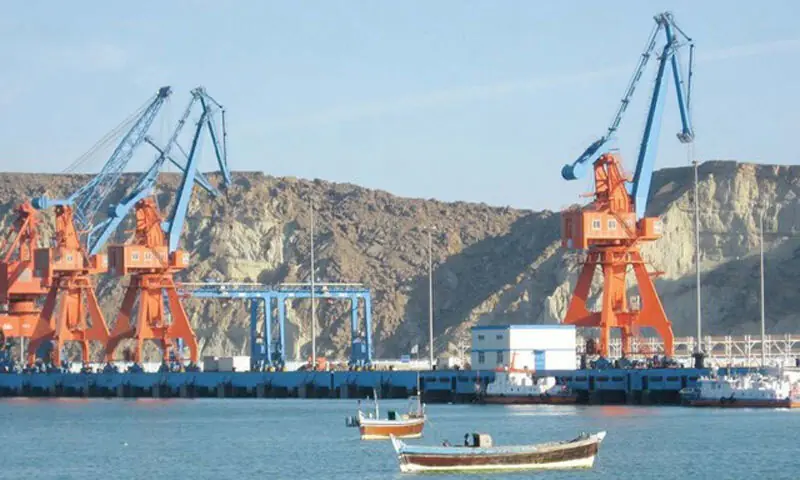
Sindh province stands out for collecting the highest total provincial tax revenue, Rs608 billion in FY26, surpassing Punjab's Rs519 billion. This is largely attributed to its structural advantage as Pakistan's principal maritime gateway, generating substantial revenue from the Infrastructure Development Cess on imports through Karachi's ports. This trade-related income diversifies Sindh's tax base, a benefit unavailable to inland provinces.
Despite its economic activity, Sindh's performance in other provincial taxes, such as property transfers (Rs1 billion), stamp duties (Rs32 billion), and motor vehicles (Rs25 billion), remains modest. These collections suggest that administrative weaknesses, property undervaluation, and limited enforcement continue to hinder tax mobilization in these sectors. Punjab, while more dependent on GST on services, has compensated with stronger collections from conventional provincial taxes, though specific figures for property tax collection were cut off in the provided text.
DistantNews Editorial
Originally published by Dawn. Summarized and contextualized by our editorial team with added local perspective. Read our editorial standards.
More Stories


From Our Blog

What Gets Lost (and Found) When News Is Translated

The Critical Role of Diaspora Media in Global News

What Travellers Should Know About Countries with Restricted Press

A Digital Nomad's Guide to Following Local News

How the Same Story Looks Different in Different Countries
