


Salzburg Festival's 'Faust' Offers Unsettling, Reductionist Take on Classic
Translated from German, summarized and contextualized by DistantNews.
At a glance
Analysis
Sources not specified
Context piece
- The Salzburg Festival's production of Goethe's "Faust" opens on the Perner Island, offering a reductionist and unsettling interpretation.
- Director Michael Thalheimer presents Faust as a psychologically disturbed figure, questioning the classic text's relevance.
- The production strips down the narrative, focusing on a "human-machine" interpretation of the scholar.
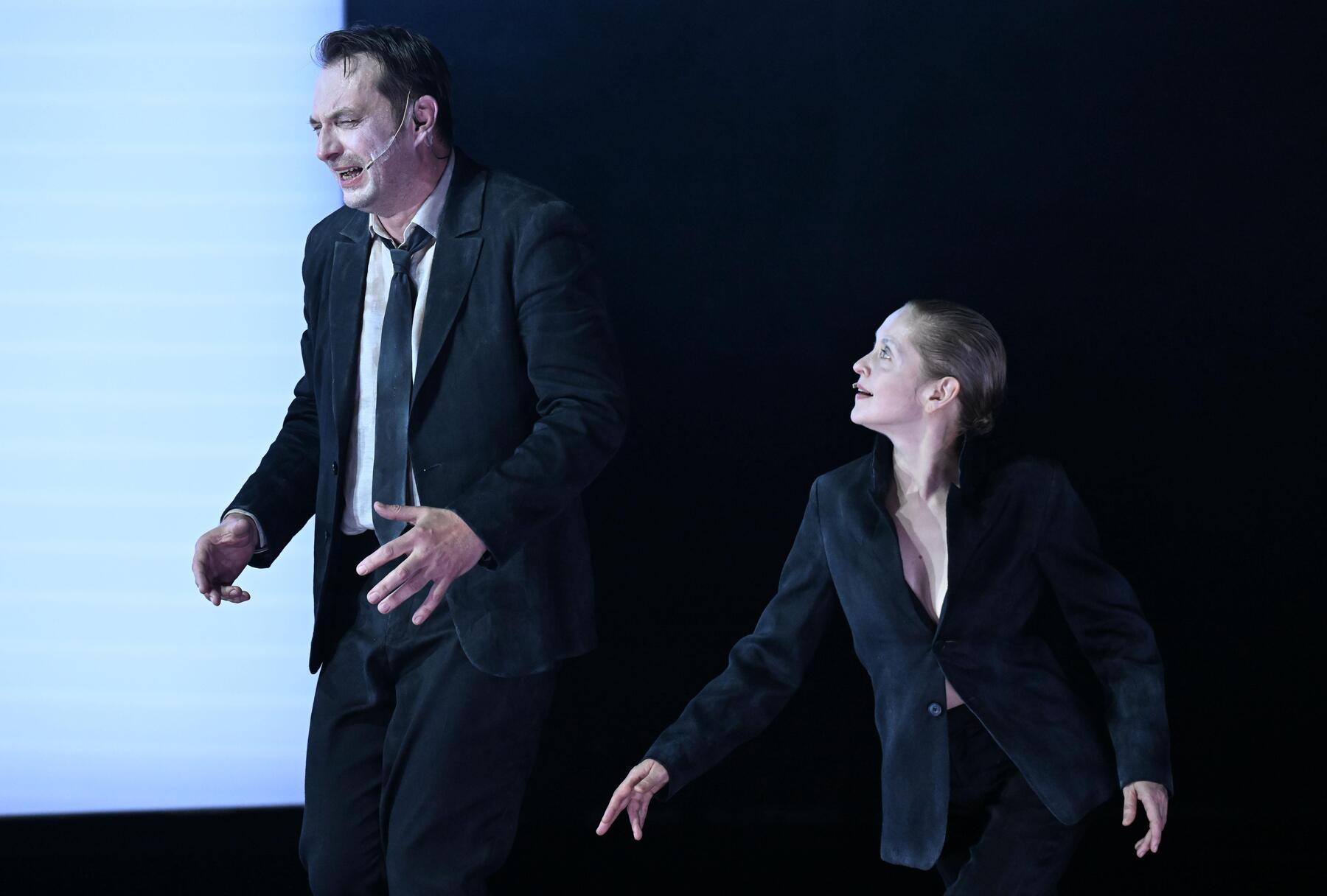
The Salzburg Festival's opening theater production, Michael Thalheimer's staging of Goethe's "Faust, Part One," has debuted on the Perner Island, presenting a stark, reductionist, and deeply unsettling diagnosis of the classic work. The interpretation challenges traditional views of the iconic character and the play's enduring relevance.
Steven Scharf portrays Faust not as a dusty scholar but as a "human-machine," an "engineer with receding hairlines" who barely murmurs the required Goethean blank verse to maintain his status as a "bourgeois intellectual." This modern, almost cyborg-like depiction moves away from the traditional image of a man consumed by books, suggesting a more mechanical, cyclical existence.
Thalheimer's direction intensifies this psychological portrait, with Faust appearing as a psychotic figure whose mind perpetually spins in circles. In one particularly jarring scene, Faust is depicted as strangling Gretchen's brother, Valentin, highlighting the production's aggressive and disturbing re-examination of the text's core conflicts and characters.
The production's minimalist approach and focus on the "unbehagen", the unease, of the classic text aim to confront the audience with a contemporary relevance. By reducing the narrative and emphasizing Faust's internal, repetitive torment, the staging seeks to diagnose the enduring, perhaps even amplified, anxieties embedded within Goethe's masterpiece for a modern audience.
DistantNews Editorial
Originally published by Der Standard in German. Translated, summarized, and contextualized by our editorial team with added local perspective. Read our editorial standards.
More Stories


From Our Blog

What Gets Lost (and Found) When News Is Translated

The Critical Role of Diaspora Media in Global News

What Travellers Should Know About Countries with Restricted Press

A Digital Nomad's Guide to Following Local News

How the Same Story Looks Different in Different Countries
