


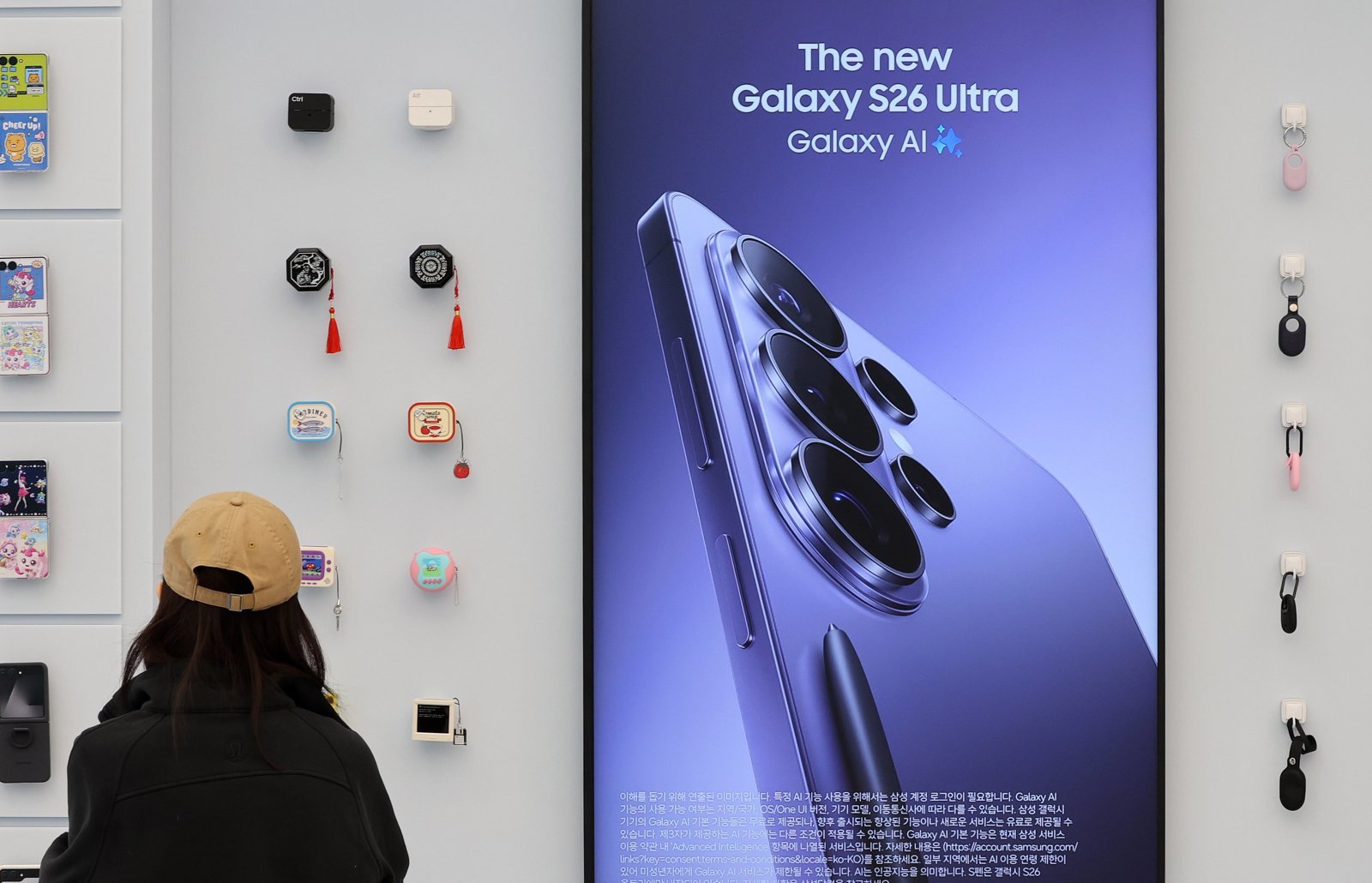
Samsung Galaxy Dominates South Korean Market; Users Loyal, AI Leadership Cited
Translated from Korean, summarized and contextualized by DistantNews.
At a glance
News
Named sources
Outcome reported
- Samsung's Galaxy smartphones dominate the South Korean market, with 81% of users owning one, an increase of 9 percentage points from the previous year.
- Customer loyalty is high, with 96% of current Galaxy users intending to purchase another Samsung phone, a record high.
- Samsung also leads in brand power related to AI technology, with 37% of respondents identifying it as the most advanced company in AI.
Samsung's Galaxy smartphones continue to solidify their dominance in the South Korean market, boasting an 81% user penetration rate, according to a recent survey by Korea Gallup. This figure represents a significant 9 percentage point increase from the previous year, widening the gap with competitor Apple's iPhone, which saw its usage rate drop from 24% to 19%.
Customer loyalty to the Galaxy brand has reached an all-time high, with 96% of current Galaxy users expressing their intention to purchase another Samsung smartphone for their next device. This reflects a 4 percentage point rise from the prior year's survey. The "future purchase intention" for Galaxy smartphones also saw a notable increase, growing by 7 percentage points to 78%.
While younger demographics show a slight preference for iPhones, with 51% of 10-year-olds and 56% of 20-year-olds favoring Apple, Samsung's dominance becomes overwhelming from the 30s onward. In the 30s, 61% intend to buy a Galaxy, with this figure rising to 85% for those in their 40s, 96% for those in their 50s, and an impressive 98% for users aged 60 and above.
Beyond mobile devices, Samsung's brand power extends to artificial intelligence. In a free-response question about companies leading in AI technology, Samsung Electronics was cited by 37% of respondents, placing it in first position. Google/Gemini followed with 15%, then Naver (6.6%), OpenAI/ChatGPT (6.3%), SK Hynix (4.9%), and Nvidia (4.9%). The survey was conducted using face-to-face interviews with 1,700 individuals aged 13 and above nationwide.
DistantNews Editorial
Originally published by Dong-A Ilbo in Korean. Translated, summarized, and contextualized by our editorial team with added local perspective. Read our editorial standards.
More Stories

From Our Blog

What Gets Lost (and Found) When News Is Translated

The Critical Role of Diaspora Media in Global News

What Travellers Should Know About Countries with Restricted Press

A Digital Nomad's Guide to Following Local News

How the Same Story Looks Different in Different Countries
