

Samsung Surpasses Nvidia, Must Firmly Shake Off US, China, Japan Pursuit
Translated from Korean, summarized and contextualized by DistantNews.
At a glance
Opinion
Sources not specified
Context piece
- Samsung Electronics reported a preliminary operating profit of 8.94 trillion won for the second quarter, surpassing Nvidia's quarterly record.
- The company's revenue reached a record 171 trillion won, driven primarily by booming semiconductor demand fueled by AI investments.
- Despite the record performance, Samsung faces intense competition from rivals like Micron, Kioxia, and Chinese memory chip makers, necessitating continued investment in R&D and infrastructure.
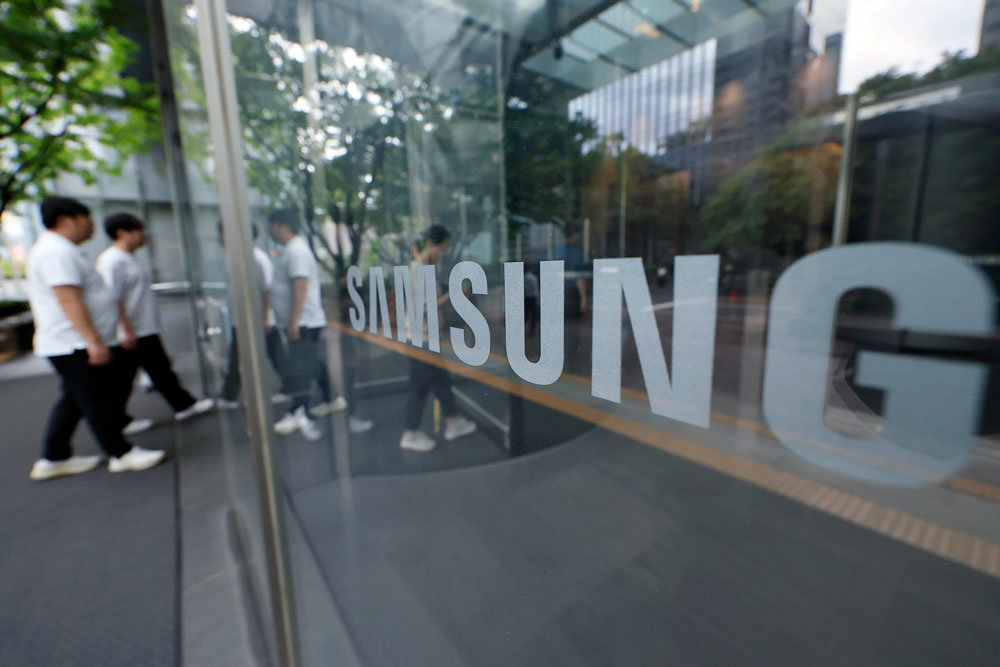
Samsung Electronics has achieved a historic performance in the second quarter, with its preliminary operating profit reaching 8.94 trillion won, exceeding even the quarterly record set by Nvidia, the world's most valuable chip company.
This remarkable financial result marks a significant milestone for the South Korean tech giant. In just three months, Samsung earned more than its combined operating profit from the previous three years (2023-2025). Its revenue also hit an all-time high of 171 trillion won, setting a new record in Korean corporate history. The surge in performance is largely attributed to the booming semiconductor market, driven by massive global investments in artificial intelligence (AI) infrastructure. Demand for Samsung's high-bandwidth memory (HBM), as well as its standard DRAM and NAND flash memory products, has outstripped supply.
The semiconductor war is truly a close contest with only a paper-thin difference. One wrong step or missed timing can lead to a fall into the abyss.
Market analysts predict that the current memory price rally will continue through the end of the year, potentially pushing Samsung's annual operating profit to the high 30 trillion won range. However, the company cannot afford to rest on its laurels. While Korean firms are benefiting from the memory chip boom, competitors who were previously lagging are now aggressively pursuing market share, fueled by the AI surge.
The only way to firmly pull away is to maintain an insurmountable technological gap.
US-based Micron has seen its quarterly net profit increase 14-fold year-on-year, signaling a recovery in its foundational strength. Japan's Kioxia, a major NAND flash memory manufacturer, briefly surpassed Toyota in market capitalization. Chinese memory manufacturers are not only competing with low-cost products but are also posing a threat in next-generation technology patents, directly challenging South Korea's dominance.
As South Korean semiconductors lead the global charge, the competitive landscape is intensifying, with the United States, Japan, and China employing subsidies and tariff barriers to build their own supply chains. Kioxia, in particular, has vowed to reclaim its top position in NAND flash memory. Samsung's only viable strategy to maintain its lead is to establish an insurmountable technological gap. The semiconductor industry is a razor-thin competition where a single misstep or missed timing can lead to a significant downturn. Therefore, continued, bold investment in research and development and infrastructure is crucial for survival, especially with competitors actively counter-attacking.
Now is not the time to be intoxicated with the spoils of war, such as performance bonuses, as competitors armed with funds launch their counterattacks.
DistantNews Editorial
Originally published by Dong-A Ilbo in Korean. Translated, summarized, and contextualized by our editorial team with added local perspective. Read our editorial standards.
More Stories

From Our Blog

What Gets Lost (and Found) When News Is Translated

The Critical Role of Diaspora Media in Global News

What Travellers Should Know About Countries with Restricted Press

A Digital Nomad's Guide to Following Local News

How the Same Story Looks Different in Different Countries
