

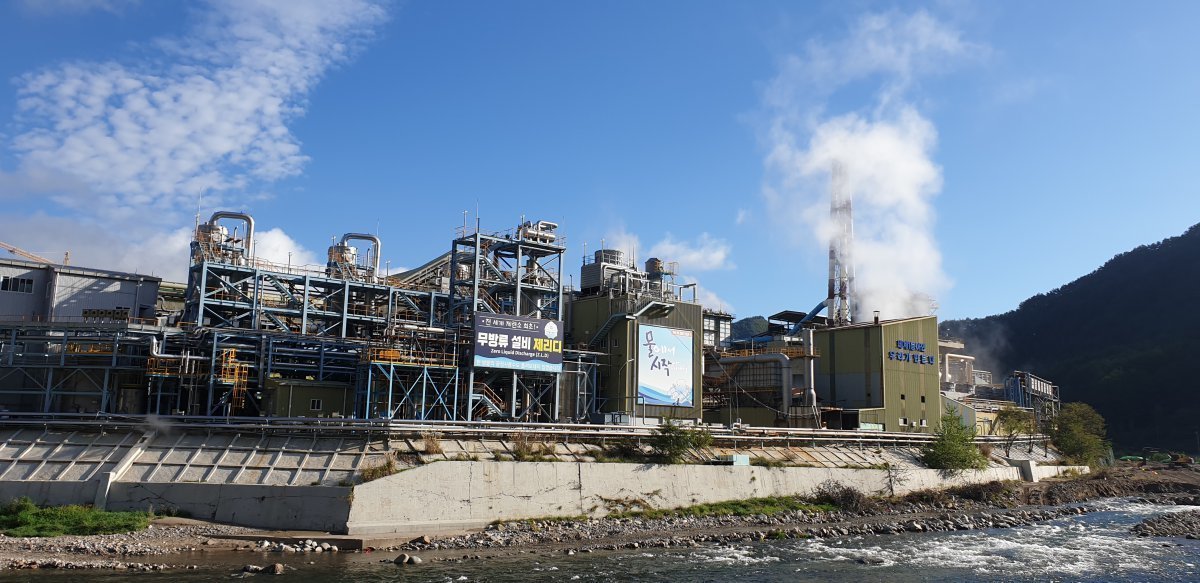
Samsung Surpasses Nvidia, SK Hynix Captivates Wall Street: What's Next for the Semiconductor Rally?
Translated from Korean, summarized and contextualized by DistantNews.
At a glance
News
Named sources
Context piece
- Samsung Electronics reported record second-quarter revenue of 171 trillion won and operating profit of 89.4 trillion won, exceeding market expectations.
- SK Hynix successfully listed its American Depositary Receipts (ADRs) on the Nasdaq, raising $26.5 billion, the largest for a foreign company in US stock market history.
- Despite strong performance and listings, the stock prices of both Samsung Electronics and SK Hynix have seen volatility and declines in the domestic market, with mixed expert opinions on the future of the semiconductor rally.
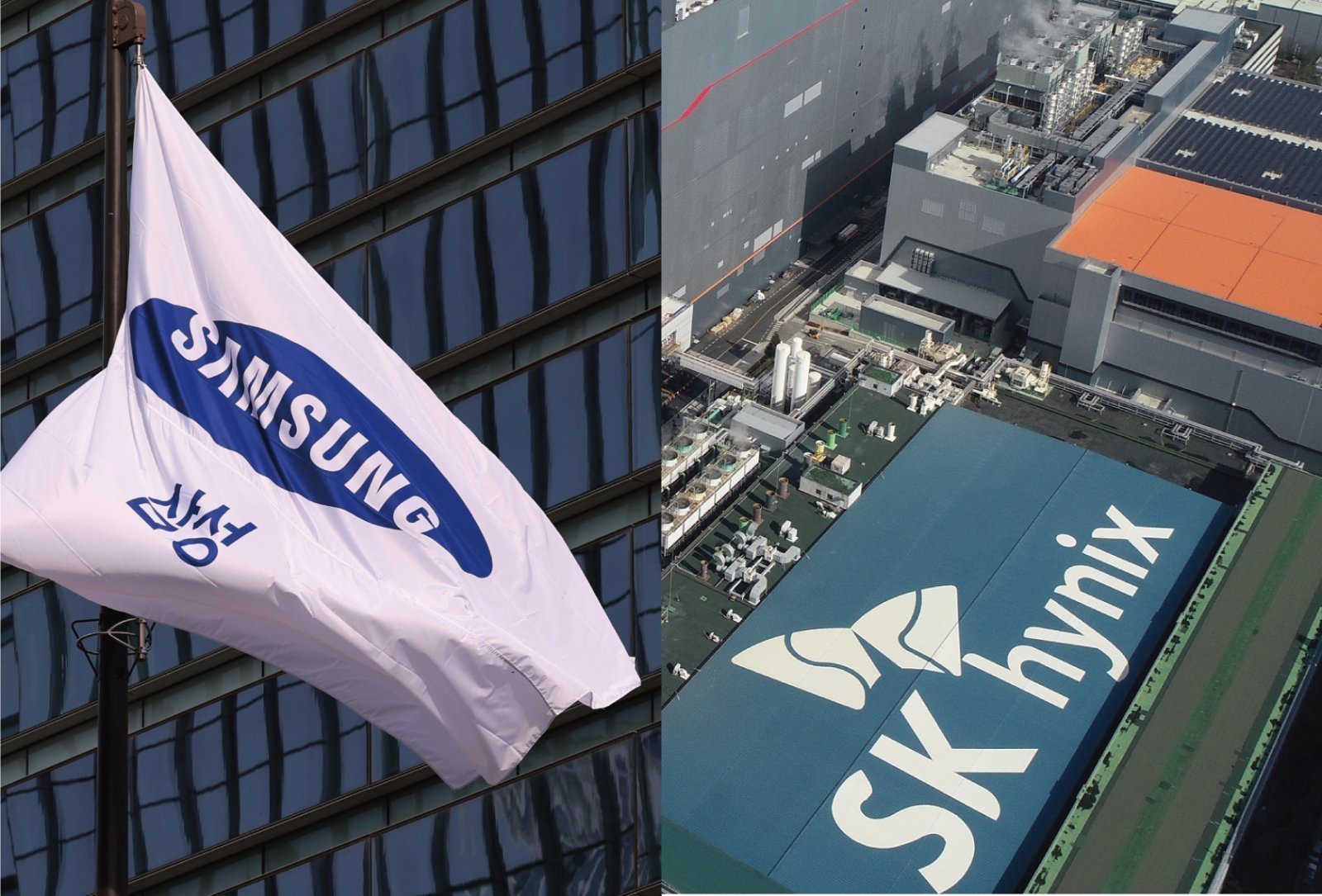
Samsung Electronics has achieved a record-breaking second quarter, posting 171 trillion won in revenue and 89.4 trillion won in operating profit, surpassing market expectations. This performance is largely attributed to the ongoing semiconductor supercycle, with the Device Solutions (DS) division alone estimated to contribute 88 trillion won to the operating profit. Samsung's quarterly operating profit now exceeds that of Nvidia, the world's leading AI chip company, setting a new global benchmark for private enterprises.
Samsung Electronics' second-quarter operating profit surpassed that of Nvidia, the world's largest AI semiconductor company.
Meanwhile, SK Hynix has made a significant move by listing its ADRs on the Nasdaq, raising $26.5 billion. This offering is the largest ever for a foreign company on a U.S. stock exchange, surpassing Alibaba's 2014 listing. The ADRs debuted with a 12.76% increase, although the domestic stock price experienced fluctuations. This strategic move aims to enhance its global presence and access to capital in the booming semiconductor market.
SK Hynix's ADR offering raised $26.5 billion, the largest for a foreign company in the history of the U.S. stock market.
Despite these impressive corporate achievements, the stock prices of both Samsung Electronics and SK Hynix have shown considerable volatility in the South Korean stock market, with some analysts attributing the declines to the impact of newly launched leveraged ETFs on single semiconductor stocks. This has led to a divergence between the companies' fundamental strength and their market valuation.
The supply shortage in the memory semiconductor industry is expected to intensify next year and remain limited in improvement even in 2028.
Expert opinions on the future of the semiconductor rally remain divided. While some foresee a continued supply shortage extending into 2028, as suggested by reports from Barclays and KB Securities, others point to concerns like Broadcom's disappointing earnings and Meta's entry into cloud services as potential signs of a market peak. Recent positive results from Micron and ASML, however, have bolstered the argument for a sustained semiconductor upswing.
Next year could be the period with the tightest supply in the history of the memory semiconductor industry.
DistantNews Editorial
Originally published by Dong-A Ilbo in Korean. Translated, summarized, and contextualized by our editorial team with added local perspective. Read our editorial standards.
More Stories


From Our Blog

What Gets Lost (and Found) When News Is Translated

The Critical Role of Diaspora Media in Global News

What Travellers Should Know About Countries with Restricted Press

A Digital Nomad's Guide to Following Local News

How the Same Story Looks Different in Different Countries
