


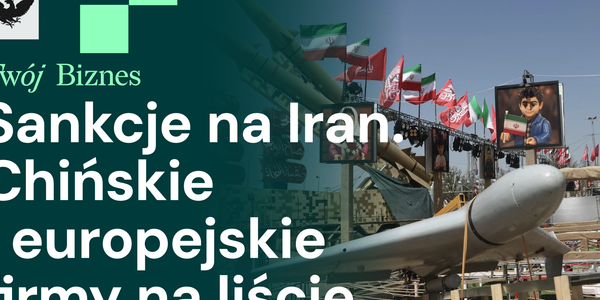
Sanctions on Iran, Cost of Presidential Vetoes, and Rising Gas Prices
Translated from Polish, summarized and contextualized by DistantNews.
At a glance
News
Named sources
Context piece
- The United States has imposed new sanctions on nearly 60 firms and individuals linked to Iran's economy, aiming to restrict its war funding and force an end to the conflict.
- Poland's President Andrzej Duda's six vetoes could reduce the state budget by over 8 billion Polish zloty this year, according to the Finance Ministry.
- Gas prices in Europe have surged, with contracts in Amsterdam nearing 70 euros per MWh, raising concerns for winter supplies and industrial costs.
The United States is intensifying its economic isolation of Iran by imposing new sanctions on approximately 60 companies and individuals. These entities are connected to four key sectors of Iran's economy, including businesses in Singapore, Hong Kong, China, and Europe. Washington's objective is to curb Iran's ability to finance its war efforts, compel an end to the conflict, and secure the Strait of Hormuz.
However, China's role as a major economic partner for Tehran presents a significant challenge to these sanctions. The effectiveness of the U.S. measures may be limited by China's continued trade relations with Iran.
Meanwhile, in Poland, President Andrzej Duda's exercise of veto power on six occasions this year could lead to a budget shortfall exceeding 8 billion Polish zloty. The Ministry of Finance estimates that blocking the tax on extraordinary profits of fuel concerns alone would have cost over 3.5 billion zloty. Additional revenue losses are projected from the SENT system for concrete trade and an increase in the sugar tax.
Adding to economic concerns, gas prices in Europe have sharply increased. Gas contracts in Amsterdam have reached nearly 70 euros per MWh, a worrying trend ahead of winter given relatively low reserves in European storage facilities. Analysts at Goldman Sachs predict that LNG prices could surpass 100 euros per MWh by December, placing additional pressure on European industries and households.
DistantNews Editorial
Originally published by Rzeczpospolita in Polish. Translated, summarized, and contextualized by our editorial team with added local perspective. Read our editorial standards.
More Stories



From Our Blog

What Gets Lost (and Found) When News Is Translated

The Critical Role of Diaspora Media in Global News

What Travellers Should Know About Countries with Restricted Press

A Digital Nomad's Guide to Following Local News

How the Same Story Looks Different in Different Countries
