


Santander leads Colombia in traffic deaths; authorities seek solutions
Translated from Spanish, summarized and contextualized by DistantNews.
TLDR
- Santander, Colombia, is experiencing a significant increase in traffic fatalities, with 123 deaths reported in the first two months of 2026.
- Motorcyclists represent the majority of victims, accounting for 73% of the deaths, with the metropolitan area of Bucaramanga being the most affected.
- Authorities are implementing new strategies focused on education, awareness, and enforcement to reduce accidents and mortality on the region's roads.
The Santander region of Colombia is grappling with a severe rise in traffic accidents and fatalities, a crisis that demands urgent attention and coordinated action. Recent data reveals a stark increase, with 123 deaths recorded in January and February of 2026 alone, a worrying 33.7% jump from the previous year. This alarming trend underscores the critical need for the strategies being developed and implemented by the National Road Safety Agency (ANSV) and local authorities.
The statistics are particularly concerning for Santander, which continues to report the highest numbers of accidents and deaths. The fact that motorcyclists constitute a staggering 73% of fatalities highlights a specific vulnerability that requires targeted interventions. The concentration of these incidents in the Bucaramanga metropolitan area—including Bucaramanga, Barrancabermeja, Girón, Floridablanca, and Piedecuesta—pinpoints the most critical zones where safety measures must be intensified.
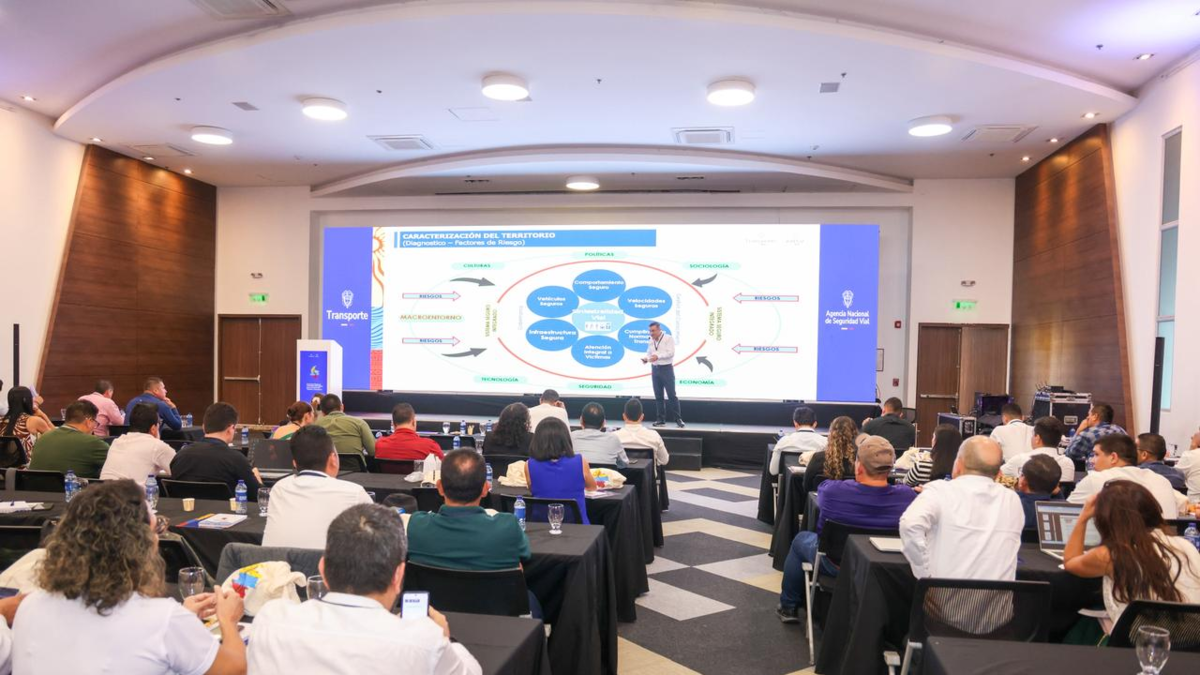
As Paula Katherine Ramos, director of inter-institutional coordination at the ANSV, stated, these encounters are crucial for articulating national policies with local realities. The focus on a "local road safety plan" as a roadmap for activities, encompassing pedagogy, sensitivity training, and enforcement, is a step in the right direction. However, the persistent high numbers suggest that current measures may not be sufficient. The challenge lies in effectively translating these strategies into tangible reductions in accidents and saving lives on our roads. This is not just a matter of statistics; it is about the safety and well-being of our communities.
Estamos haciendo encuentros en todo el país, enfocando y articulando con el territorio la implementación de la política pública de seguridad vial, porque con las regiones se construye y se formula la ejecución la disminución de la siniestralidad. El enfoque está desde la necesidad de plan local de seguridad vial como hoja de ruta las actividades que se deben ejecutar, está enfocada en pedagogía, sensibilidad, acompañamiento, enfoque en la parte contravencional, también la articulación en las actividades con los conductores y autoridades de las regiones
DistantNews Editorial
Originally published by El Tiempo in Spanish. Translated, summarized, and contextualized by our editorial team with added local perspective. Read our editorial standards.
More Stories


From Our Blog

What Gets Lost (and Found) When News Is Translated

The Critical Role of Diaspora Media in Global News

What Travellers Should Know About Countries with Restricted Press

A Digital Nomad's Guide to Following Local News

How the Same Story Looks Different in Different Countries
