

Santiago schools reject pasteurized milk due to lack of refrigeration
Translated from Spanish and summarized by DistantNews. Read the original for the full story.
At a glance
News
Named sources
Context piece
- Around 20 schools in Santiago province are refusing pasteurized milk for the school breakfast program due to inadequate refrigeration facilities.
- Pasteurized milk requires constant cooling, unlike UHT milk, posing a preservation challenge for schools lacking refrigerators.
- A meeting is scheduled with suppliers and educational authorities to find a solution, though suppliers have offered to provide refrigeration equipment.
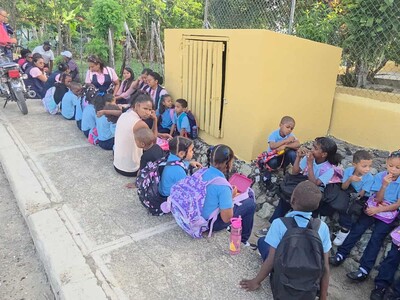
Educational institutions in Santiago province are facing a logistical challenge with the school breakfast program, as approximately 20 schools have rejected shipments of pasteurized milk. The core issue is the lack of adequate refrigeration, a critical requirement for preserving pasteurized dairy products, which differs significantly from the UHT milk students are accustomed to.
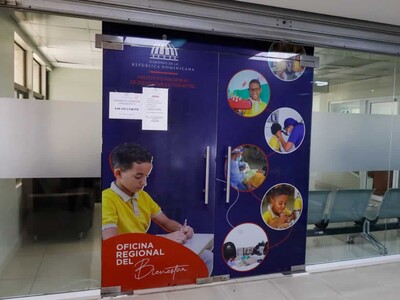
Amalfi Suárez, the regional director for the National Institute for Student Welfare (Inabie), confirmed the problem, explaining that pasteurized milk necessitates a constant cold chain. Schools without refrigerators are unable to store the milk safely, leading to its rejection. This situation primarily affects schools in San José de las Matas, but similar issues have arisen in Santiago Este and Santiago Oeste.
Suárez highlighted that while the milk is a planned nutritional component, its delivery in proper condition is paramount. The suppliers have reportedly expressed willingness to provide refrigeration units to the affected schools. However, a definitive solution will be determined during an upcoming meeting in Santo Domingo involving suppliers, school directors, and representatives from the educational districts.
Despite this specific issue with milk, Suárez assured that the school lunch program continues to operate normally, indicating that the problem is isolated to the breakfast milk component. The focus remains on ensuring all food supplied to students meets necessary safety and quality standards.
The children are not accustomed to pasteurized milk, but to UHT. Pasteurized milk needs refrigeration, and each educational center must have a refrigerator to receive this liquid.
About this summary
Originally published by Diario Libre in Spanish. Translated, summarized, and contextualized automatically by DistantNews, with a note on how the source frames the story. Not individually reviewed before publishing. How this works.
More Stories


From Our Blog

What Gets Lost (and Found) When News Is Translated

The Critical Role of Diaspora Media in Global News

What Travellers Should Know About Countries with Restricted Press

A Digital Nomad's Guide to Following Local News

How the Same Story Looks Different in Different Countries
