


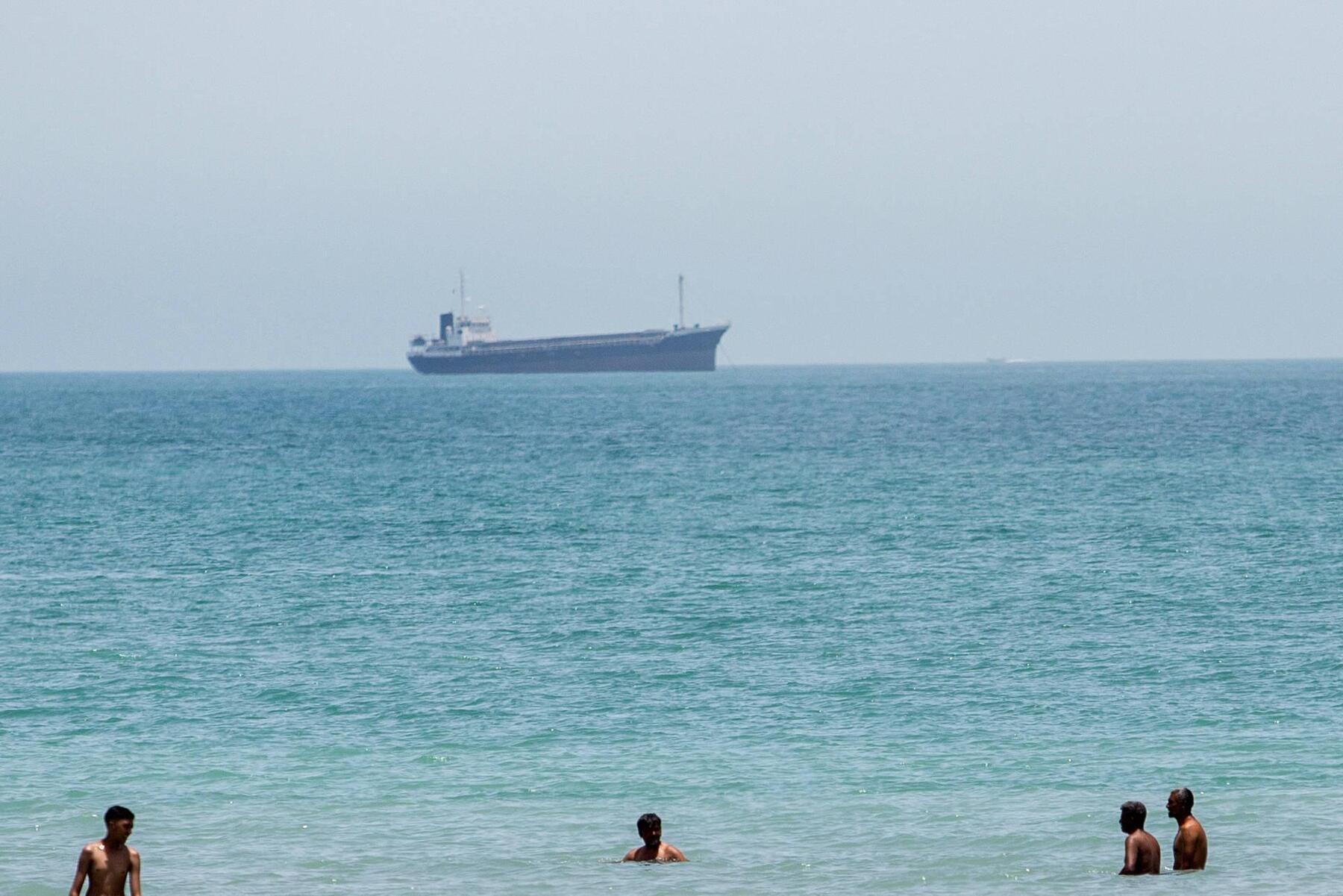
Saudi Arabia Boosts Oil Exports Via Red Sea Pipeline, Bypassing Hormuz
Translated from German, summarized and contextualized by DistantNews.
At a glance
News
Named sources
Context piece
- Saudi Arabia is increasing oil exports via the East-West pipeline to the Red Sea, bypassing the Strait of Hormuz amid rising tensions.
- The pipeline's capacity is being fully utilized to compensate for potential disruptions, ensuring global oil supply.
- New land-based energy and trade corridors connecting the Gulf to the Mediterranean are being supported, offering economic opportunities for countries like Jordan and Syria.
Amid escalating tensions surrounding the Strait of Hormuz, Saudi Arabia is leveraging its extensive East-West pipeline to bolster global oil supply. The 1,201-kilometer pipeline, originally built to ensure exports during the Iran-Iraq War, is now pumping an additional five million barrels per day to the Red Sea port of Yanbu.
The disruption of the world's most important maritime chokepoint is leading to a wave of support for new land-based trade and energy corridors connecting the Gulf to the Mediterranean.
This strategic move aims to prevent drastic cuts in Saudi oil production, a situation already impacting other nations like Iraq, which has seen its daily output significantly reduced. The full utilization of the pipeline underscores the critical importance of this alternative route in mitigating the economic threat posed by potential disruptions in the Persian Gulf.
New cross-border corridors have the potential to strengthen cooperation in a region suffering from low economic integration and high political fragmentation.
Beyond immediate supply concerns, the current crisis is fostering support for new land-based trade and energy corridors. These routes, envisioned to connect the Gulf to the Mediterranean via pipelines and rail networks, could significantly enhance regional cooperation. Experts suggest these corridors offer much-needed economic opportunities for countries such as Jordan and Syria, regions often hampered by limited economic integration and political fragmentation.
Urgent economic opportunities for countries like Jordan and Syria.
Initiatives are already underway to expand existing infrastructure. The United Arab Emirates plans to double the capacity of its Abu Dhabi Crude Oil Pipeline, which transports oil to Fujairah on the Gulf of Oman, east of Hormuz. This expansion aims to solidify the UAE's position as a reliable global energy supplier, further circumventing the Strait of Hormuz.
To be a reliable global energy supplier.
DistantNews Editorial
Originally published by Die Presse in German. Translated, summarized, and contextualized by our editorial team with added local perspective. Read our editorial standards.
More Stories


From Our Blog

What Gets Lost (and Found) When News Is Translated

The Critical Role of Diaspora Media in Global News

What Travellers Should Know About Countries with Restricted Press

A Digital Nomad's Guide to Following Local News

How the Same Story Looks Different in Different Countries
