


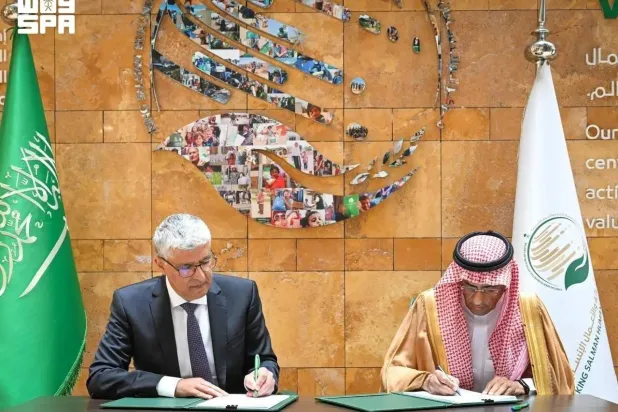
Saudi Arabia funds Gaza farming project to aid families
Translated from English, summarized and contextualized by DistantNews.
At a glance
News
Official statement
New plan
- Saudi Arabia's King Salman Humanitarian Aid and Relief Center (KSrelief) signed an agreement to support farming families in Gaza.
- The project will rehabilitate 75,000 square meters of agricultural land and provide irrigation and essential inputs to 75 families.
- This initiative aims to boost food security and improve living standards for Palestinian farmers.
Saudi Arabia, through its humanitarian arm King Salman Humanitarian Aid and Relief Center (KSrelief), is extending support to vulnerable farming families in the Gaza Strip. A joint executive program was signed in Riyadh with a local civil society organization to implement a project focused on bolstering the agricultural sector.
The initiative is designed to directly benefit 300 individuals from 75 families. A significant aspect of the project involves the rehabilitation of 75,000 square meters of agricultural land. Farmers will receive crucial support through the provision of irrigation networks, agricultural seedlings, and other essential inputs needed to cultivate their land effectively.
Beyond material support, the program emphasizes empowerment through knowledge. Beneficiaries will receive training on best agricultural practices. This educational component aims to equip farmers with the skills necessary to implement sustainable agricultural projects, thereby contributing to the local provision of agricultural products and enhancing food security within Gaza.
This project aligns with Saudi Arabia's broader humanitarian and relief efforts in Palestine. The program seeks to empower local farmers and foster sustainable agricultural development, ultimately working to improve the living standards of participating families and contribute to the resilience of the agricultural sector in the region.
DistantNews Editorial
Originally published by Asharq Al-Awsat in English. Translated, summarized, and contextualized by our editorial team with added local perspective. Read our editorial standards.
More Stories


From Our Blog

What Gets Lost (and Found) When News Is Translated

The Critical Role of Diaspora Media in Global News

What Travellers Should Know About Countries with Restricted Press

A Digital Nomad's Guide to Following Local News

How the Same Story Looks Different in Different Countries
