


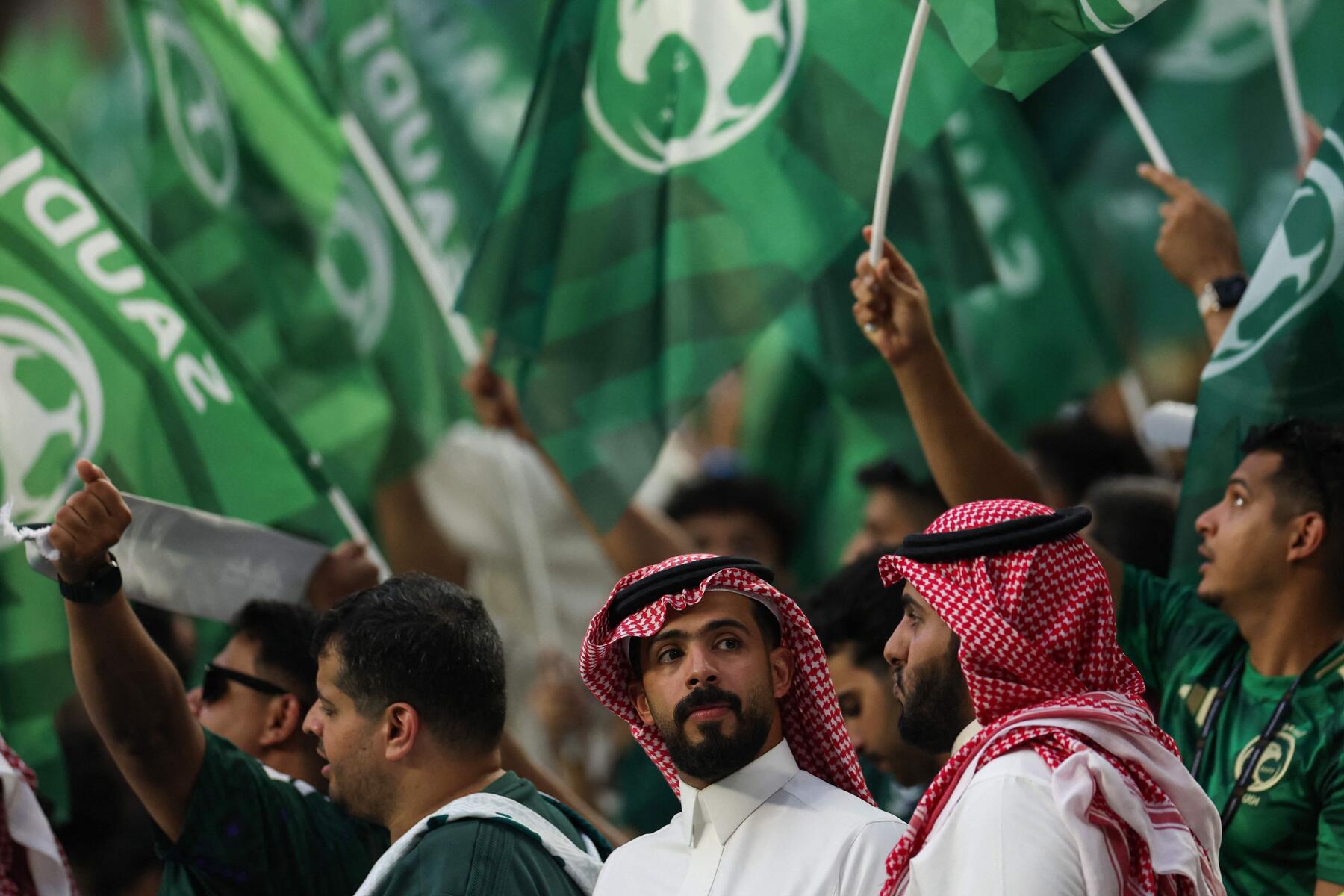
Saudi Arabia's Desert Billions Fail to Ignite: Kingdom Stumbles Towards Home World Cup
Translated from German, summarized and contextualized by DistantNews.
At a glance
Analysis
Sources not specified
Context piece
- Saudi Arabia's ambitious football investments are part of a broader strategy to diversify its economy away from oil.
- The kingdom is hosting the 2034 World Cup and has heavily invested in its domestic league and acquiring foreign stars.
- Despite significant spending, the Saudi national team's on-field success has yet to match its off-field power, raising questions about the effectiveness of its football offensive.
Saudi Arabia's massive investment in football, including hosting the 2034 World Cup and bolstering its domestic league, is a key component of its ambitious plan to diversify its economy beyond oil. The kingdom, through its Public Investment Fund (PIF), has become a major player in global football, securing lucrative deals and acquiring high-profile players.
This push into football is seen as essential for societal change within the country, according to the PIF. Saudi Arabia has aggressively pursued opportunities in the sport, from signing aging stars like Cristiano Ronaldo and Karim Benzema to purchasing a Premier League club, Newcastle United. The nation also secured the hosting rights for the 2034 World Cup through significant behind-the-scenes influence within FIFA.
However, the on-field performance of the Saudi national team, the "Green Falcons," has not yet reflected the scale of these investments. While they achieved a notable upset victory against Argentina in a previous World Cup, recent results have been less impressive. The current squad features only one player based abroad, and the influx of foreign stars, while raising the league's profile, may be limiting playing time for domestic talent.
As the kingdom prepares for its own World Cup in 2034, the current tournament serves as a crucial test. The team's ability to translate its financial power into sustained on-field success remains a significant question, with questions arising about whether the billions invested are truly elevating the national team's performance or primarily serving other strategic goals.
DistantNews Editorial
Originally published by Die Presse in German. Translated, summarized, and contextualized by our editorial team with added local perspective. Read our editorial standards.
More Stories
From Our Blog

What Gets Lost (and Found) When News Is Translated

The Critical Role of Diaspora Media in Global News

What Travellers Should Know About Countries with Restricted Press

A Digital Nomad's Guide to Following Local News

How the Same Story Looks Different in Different Countries
