

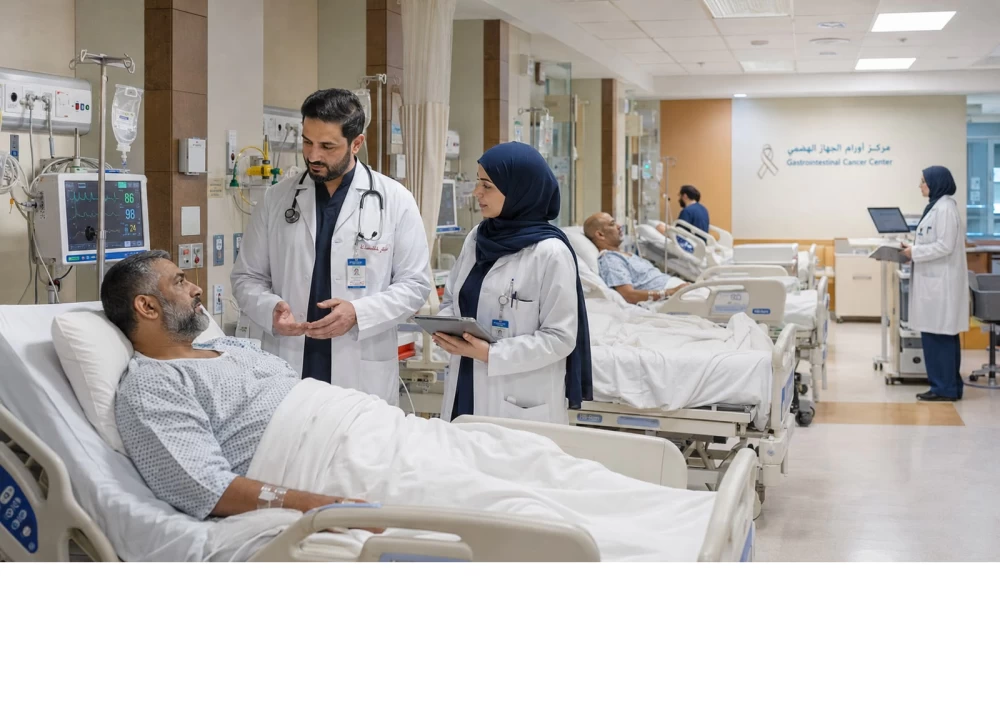

Saudi Arabia's life expectancy nears 80 years as healthcare access expands
Translated from Arabic, summarized and contextualized by DistantNews.
At a glance
News
Official statement
New plan
- Saudi Arabia's average life expectancy has risen to 79.7 years, nearing the Vision 2030 goal of 80 years, reflecting improved public health and lifestyle initiatives.
- Primary healthcare services now reach 97.5% of the population across the kingdom, enhancing accessibility, especially in remote areas.
- Digital health transformation continues, with over 31 million users of the "Seha" app and a virtual hospital serving more than 365,000 beneficiaries.
Saudi Arabia is making significant strides in its healthcare sector, with the average life expectancy climbing to 79.7 years, according to the annual report on the Health Sector Transformation Program for 2025. This figure is a notable achievement, bringing the kingdom closer to its Vision 2030 target of 80 years. The increase is attributed to the enhanced public health indicators and coordinated national efforts in disease prevention, promotion of healthy lifestyles, and the development of healthcare services.
The report also highlights the expansion of healthcare accessibility, with primary healthcare services now covering 97.5% of populated areas throughout the kingdom, including its peripheral regions. This broad reach ensures that more citizens have easier access to essential medical care, contributing to the overall improvement in public health outcomes.
Furthermore, the digital transformation of healthcare is accelerating. The "Seha" application has garnered over 31 million users, demonstrating a strong adoption of digital health tools. The "Seha" virtual hospital has also extended its reach, providing services to more than 365,000 beneficiaries by connecting with 241 healthcare facilities. This digital infrastructure is crucial in delivering specialized medical services across different regions, further solidifying Saudi Arabia's commitment to a comprehensive and efficient healthcare system.
DistantNews Editorial
Originally published by Okaz in Arabic. Translated, summarized, and contextualized by our editorial team with added local perspective. Read our editorial standards.
More Stories



From Our Blog

What Gets Lost (and Found) When News Is Translated

The Critical Role of Diaspora Media in Global News

What Travellers Should Know About Countries with Restricted Press

A Digital Nomad's Guide to Following Local News

How the Same Story Looks Different in Different Countries
