

Saudi oil tankers reroute in Red Sea after Houthi threats
Translated from Korean, summarized and contextualized by DistantNews.
At a glance
News
Sources not specified
Ongoing story
- Two oil tankers carrying Saudi crude oil have changed course in the Red Sea following threats from Yemen's Houthi rebels.
- The tankers, Xinrongyang and Rhodos, were heading to China and India respectively but turned back before entering the Red Sea.
- A third tanker, New Prime, scheduled to load crude in Saudi Arabia, also altered its route near Oman, signaling the potential impact of Houthi threats on key export routes.
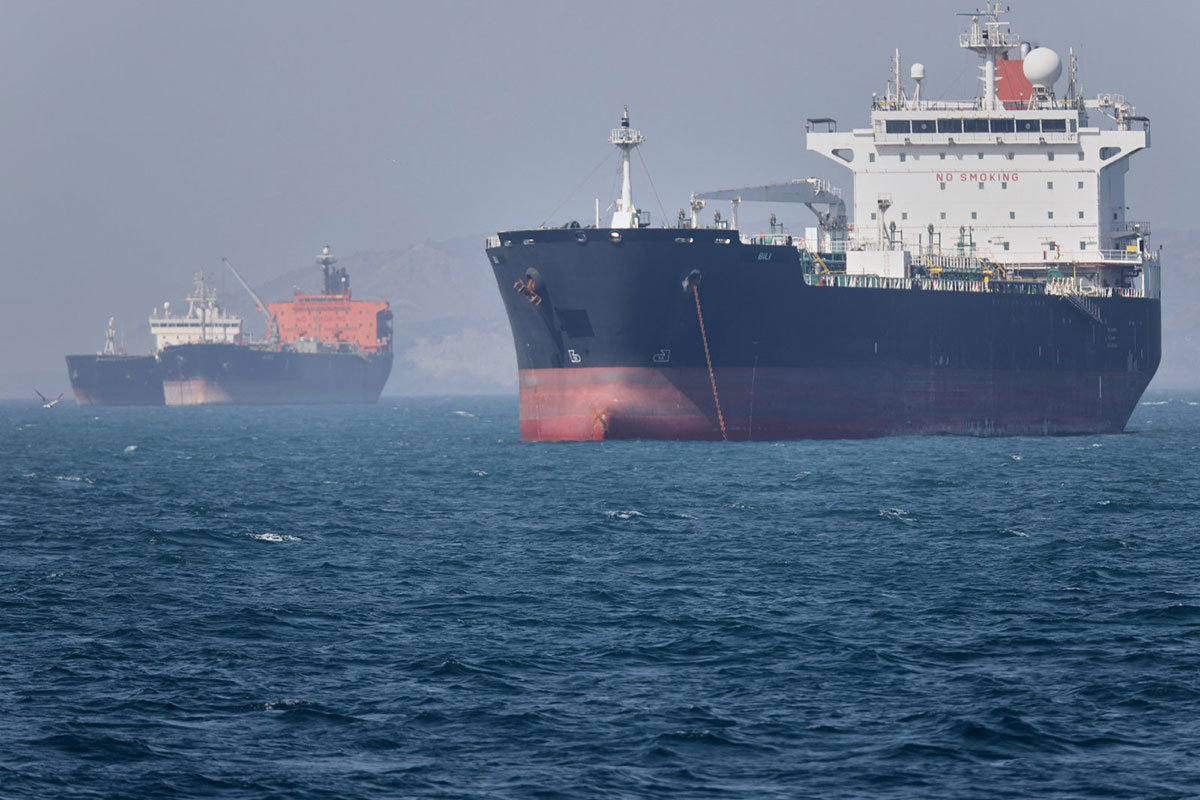
Two oil tankers carrying Saudi crude oil have altered their routes in the Red Sea, a day after Yemen's Houthi rebels warned of a maritime blockade. The vessels, Xinrongyang and Rhodos, were en route to China and India respectively but turned back from the southern Red Sea, according to ship-tracking data cited by Cyprus Mail.
The rerouting occurred amid heightened tensions between the United States and Iran. The Xinrongyang, a very large crude carrier (VLCC), had departed Saudi Arabia's western Yanbu port with 2 million barrels of crude destined for China. Similarly, the Rhodos, an Aframax-class tanker carrying approximately 700,000 barrels for India, also reversed its course.
A third tanker, the VLCC New Prime, which was scheduled to arrive at Yanbu port this week to load crude, changed its route near Oman before entering the Red Sea. These navigational changes are being interpreted as the first tangible impact of the Houthi's blockade threat on commercial shipping.
The Houthi rebels declared an immediate maritime blockade against Saudi Arabia, warning shipping companies that vessels loading or unloading at Saudi ports could become targets within their operational range. The group claimed this measure took effect on July 20. While the Houthis did not specify the blockade's methods, the Associated Press reported that their actions are aimed at disrupting passage through the Bab el-Mandeb strait.
Analysts suggest that such disruptions could jeopardize the transport of approximately 2.5 million barrels of Saudi crude oil daily. Saudi Arabia utilizes the 1,201 km East-West pipeline, connecting its eastern Abqaiq facilities to the Yanbu port on the Red Sea, to transport up to 7 million barrels of crude daily. This pipeline serves as a crucial alternative export route, bypassing the Strait of Hormuz, which is often subject to Iranian influence.
DistantNews Editorial
Originally published by Dong-A Ilbo in Korean. Translated, summarized, and contextualized by our editorial team with added local perspective. Read our editorial standards.
More Stories



From Our Blog

What Gets Lost (and Found) When News Is Translated

The Critical Role of Diaspora Media in Global News

What Travellers Should Know About Countries with Restricted Press

A Digital Nomad's Guide to Following Local News

How the Same Story Looks Different in Different Countries
