

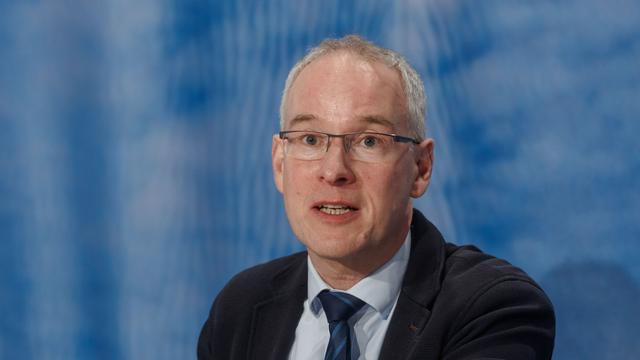
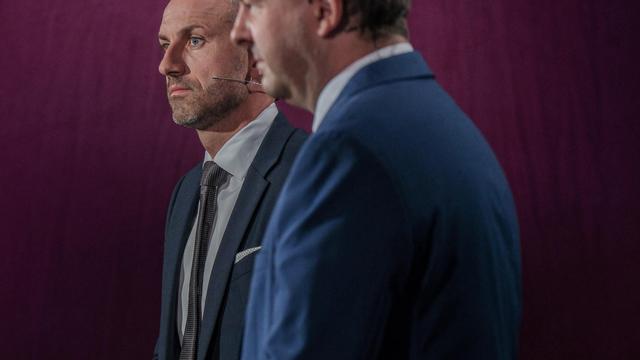
Saxony-Anhalt Election Debate: AfD Candidate Ulrich Siegmund Falters Under Pressure
Translated from German and summarized by DistantNews. Read the original for the full story.
At a glance
News
Named sources
Context piece
- A televised debate in Saxony-Anhalt between the CDU and AfD candidates became unexpectedly intense.
- The debate highlighted the CDU's Sven Schulze's strong performance and the AfD's Ulrich Siegmund's struggles.
- With state elections approaching, polls show the AfD leading significantly, but the debate exposed potential weaknesses.
A televised election debate in Saxony-Anhalt between the CDU and AfD candidates turned into a surprisingly intense showdown, revealing the strengths of one and the struggles of the other just weeks before the state elections.
Sven Schulze, the incumbent Minister-President of Saxony-Anhalt and lead candidate for the CDU, faced off against Ulrich Siegmund, the top candidate for the AfD. Polls leading up to the debate showed the AfD at 42 percent and the CDU at 22 percent, indicating a significant lead for the AfD. Despite Siegmund's personal polling advantage over Schulze, the debate format put both candidates under intense scrutiny.
The AfD has conducted a highly professional campaign, leveraging well-attended rallies and a strong digital presence to project an image of growing support and inevitable victory. Their campaign slogan, "Everything is possible," reflects this assertive stance. However, the televised debate provided a platform for direct confrontation, where Siegmund appeared to falter under the pressure of direct questioning and rebuttal.
Schulze, on the other hand, demonstrated resilience and a capacity to engage forcefully in the political contest. The debate's dynamic suggested that while the AfD may have built a strong narrative of momentum, their candidate struggled to maintain composure and articulate their platform effectively in a live, unscripted environment. This unexpected turn in the debate could influence voter perceptions as the election draws nearer.
About this summary
Originally published by Die Zeit in German. Translated, summarized, and contextualized automatically by DistantNews, with a note on how the source frames the story. Not individually reviewed before publishing. How this works.
More Stories


From Our Blog

What Gets Lost (and Found) When News Is Translated

How the Same Story Looks Different in Different Countries

The Critical Role of Diaspora Media in Global News

What Travellers Should Know About Countries with Restricted Press

A Digital Nomad's Guide to Following Local News
