




Saxony-Anhalt election: Where does the anger come from?
Translated from German and summarized by DistantNews. Read the original for the full story.
At a glance
In-depth
Named sources
Ongoing story
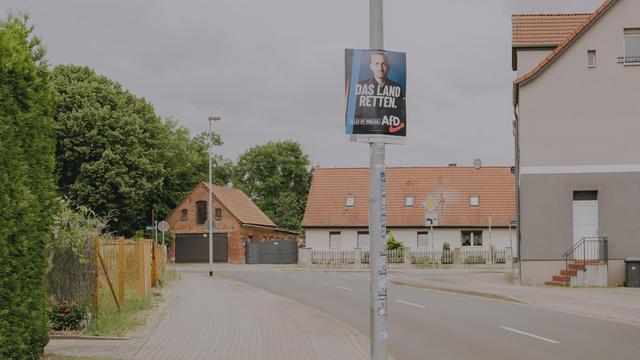
- Saxony-Anhalt is electing a new state parliament, with polls placing the far-right AfD state branch above 40 percent.
- The podcast examines economic and social differences between eastern and western Germany and asks why anger over those disparities is especially intense in eastern Germany.
- A separate segment covers a cyberattack on Berlin’s administration, in which the Rhysida group published about 5.8 terabytes of stolen data after the Senate refused to pay a ransom.
Saxony-Anhalt votes on September 6 to elect a new state parliament, with the AfD’s state branch leading polls at more than 40 percent. Germany’s domestic intelligence service classifies the branch as right-wing extremist.
The podcast asks where the anger behind that support comes from. More than 35 years after German reunification, eastern and western Germany still differ economically, socially and structurally. Eastern states have higher unemployment, lower incomes and lower pensions, and resentment over those conditions remains strong.
ZEIT journalist Jana Simon examines the roots of that anger and why the sharpest debates about eastern Germany are often held among eastern Germans themselves. The AfD also emerged as the strongest political force in eastern Germany in the 2025 federal election.
The episode also reports on a cyberattack against Berlin’s administration. The Rhysida hacking group published about 5.8 terabytes of stolen data on the darknet after the Senate refused to pay a ransom of roughly €2 million in bitcoin.
The leaked material included internal documents, contracts and emergency plans, as well as sensitive personal data belonging to city employees and residents. The attack temporarily disrupted government services so severely that eligible households could not receive housing benefits. Authorities do not yet know exactly how the attackers entered the system, although outdated software could be one possible reason. Germany’s Federal Office for Information Security has warned of further attacks.
ZEIT’s David Will discusses why the Senate rejected the extortion attempt and what those affected can do. The podcast also briefly features notable and unusual gadgets from the IFA technology trade show.
About this summary
Originally published by Die Zeit in German. Translated, summarized, and contextualized automatically by DistantNews, with a note on how the source frames the story. Not individually reviewed before publishing. How this works.
More Stories


From Our Blog

News in Translation: What Gets Lost, and How We Keep the Framing

The Same Story, Different Countries: How Coverage Changes at the Border

Diaspora Media: How Communities Follow News From Home

Traveling Where the Press Is Not Free: How to Read the News There

The Digital Nomad's Guide to Local News
