

Saxony's energy transition: Support exists, but reservations remain
Translated from German, summarized and contextualized by DistantNews.
At a glance
News
Official statement
Context piece
- A survey in Saxony, Germany, reveals that 56% of the population generally supports renewable energy, but 28% remain undecided and 14% oppose it.
- Acceptance is lower when new facilities, like wind turbines, are near residential areas, with 42% opposing wind turbines in their vicinity.
- Saxony's Economy Minister Dirk Panter emphasizes the need for better communication and visible benefits to ensure the success of the energy transition.
Saxony's energy transition faces a mixed reception from the public, according to a recent survey. While a majority of 56 percent generally hold a positive view of renewable energies, a significant portion of the population remains hesitant. The survey, which questioned 1,500 Saxons in October and November, found that 28 percent are undecided, and 14 percent actively reject renewable energy sources.
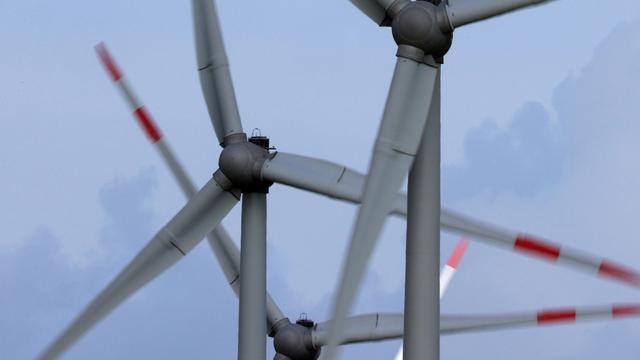
Concerns are particularly pronounced when renewable energy projects are proposed near people's homes. The acceptance of new wind turbines in close proximity to residences is low, with only about one-third of respondents agreeing to their construction, while 42 percent expressed opposition. Solar panel installations on nearby open land fare better, with 46 percent in favor and 25 percent against.
The results clearly show that we need to explain better, involve people earlier, and make concrete advantages more visible.
In contrast, conventional energy sources face widespread rejection. Only about a quarter would agree to a new nuclear power plant near their homes, with 49 percent opposing it. A lignite coal power plant is even less popular, with just 16 percent in favor and 53 percent against.
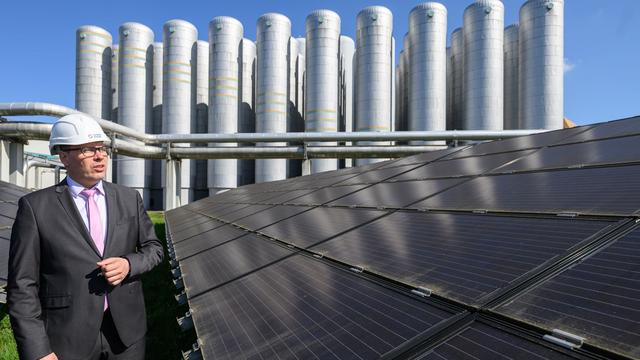
Saxony's Minister of Economic Affairs, Dirk Panter, stressed the importance of clear communication and demonstrating tangible benefits to gain broader public support. "The results clearly show that we need to explain better, involve people earlier, and make concrete advantages more visible," Panter stated. He added that a secure, affordable, and climate-friendly energy supply is a crucial competitive factor, especially in light of global conflicts that highlight the need for independence from fossil fuel imports.
A secure, affordable, and climate-friendly energy supply is a crucial competitive factor.
DistantNews Editorial
Originally published by Die Zeit in German. Translated, summarized, and contextualized by our editorial team with added local perspective. Read our editorial standards.
More Stories

From Our Blog

What Gets Lost (and Found) When News Is Translated

How the Same Story Looks Different in Different Countries

The Critical Role of Diaspora Media in Global News

What Travellers Should Know About Countries with Restricted Press

A Digital Nomad's Guide to Following Local News
