


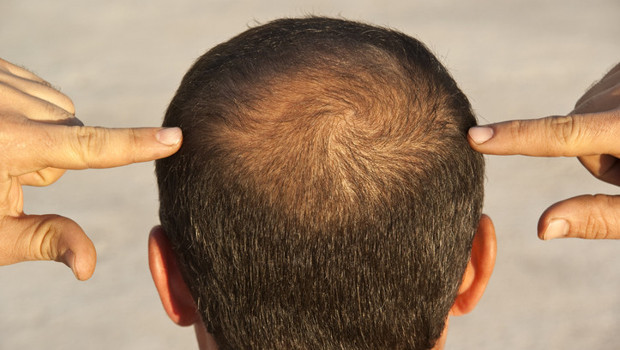
Scalp micropigmentation gains popularity as hair transplant alternative
Translated from Turkish and summarized by DistantNews. Read the original for the full story.
At a glance
In-depth
Sources not specified
Context piece
- Scalp micropigmentation is emerging as a popular alternative to hair loss treatments like medication and transplants.
- The procedure uses thousands of tiny pigment dots to mimic a shaved-hair look, creating an illusion of density.
- While not regrowing hair, it offers a cosmetic camouflage, with costs significantly lower than traditional hair transplants in some regions.
For men experiencing hair loss, scalp micropigmentation (SMP) is increasingly becoming a go-to alternative, offering a visually striking change without surgery. This technique involves depositing thousands of tiny pigment dots onto the scalp, meticulously designed to replicate the appearance of closely shaved hair follicles. The result is an illusion of greater density and a more youthful hairline.
Popularity for SMP has surged, largely fueled by viral before-and-after videos on social media platforms, which have garnered millions of views. Clinics, particularly in the UK, report a significant rise in inquiries from men interested in the procedure. Initially used to conceal scars from hair transplants or to add density to thinning areas, SMP is now frequently chosen as a standalone cosmetic solution.
It is crucial to understand that SMP is not a medical treatment for hair loss; it does not stimulate hair growth or halt shedding. Instead, it functions as a sophisticated cosmetic camouflage. The process uses specialized pigment devices with ultra-fine needles to create dots that mimic natural hair roots. The size, depth, angle, and color of these dots are carefully adjusted to achieve a natural look, making the practitioner's skill paramount.
The full procedure typically requires three or more sessions spread over several weeks, with each session lasting around three hours. In the UK, the average cost for a full scalp treatment is approximately 2,000 pounds (around $2,500 USD), a figure considerably less than the 5,000 pounds or more often charged for hair transplants. Prices in Turkey vary based on the extent of the procedure and the clinic.
About this summary
Originally published by Hürriyet in Turkish. Translated, summarized, and contextualized automatically by DistantNews, with a note on how the source frames the story. Not individually reviewed before publishing. How this works.
More Stories


From Our Blog

What Gets Lost (and Found) When News Is Translated

The Critical Role of Diaspora Media in Global News

What Travellers Should Know About Countries with Restricted Press

A Digital Nomad's Guide to Following Local News

How the Same Story Looks Different in Different Countries
