


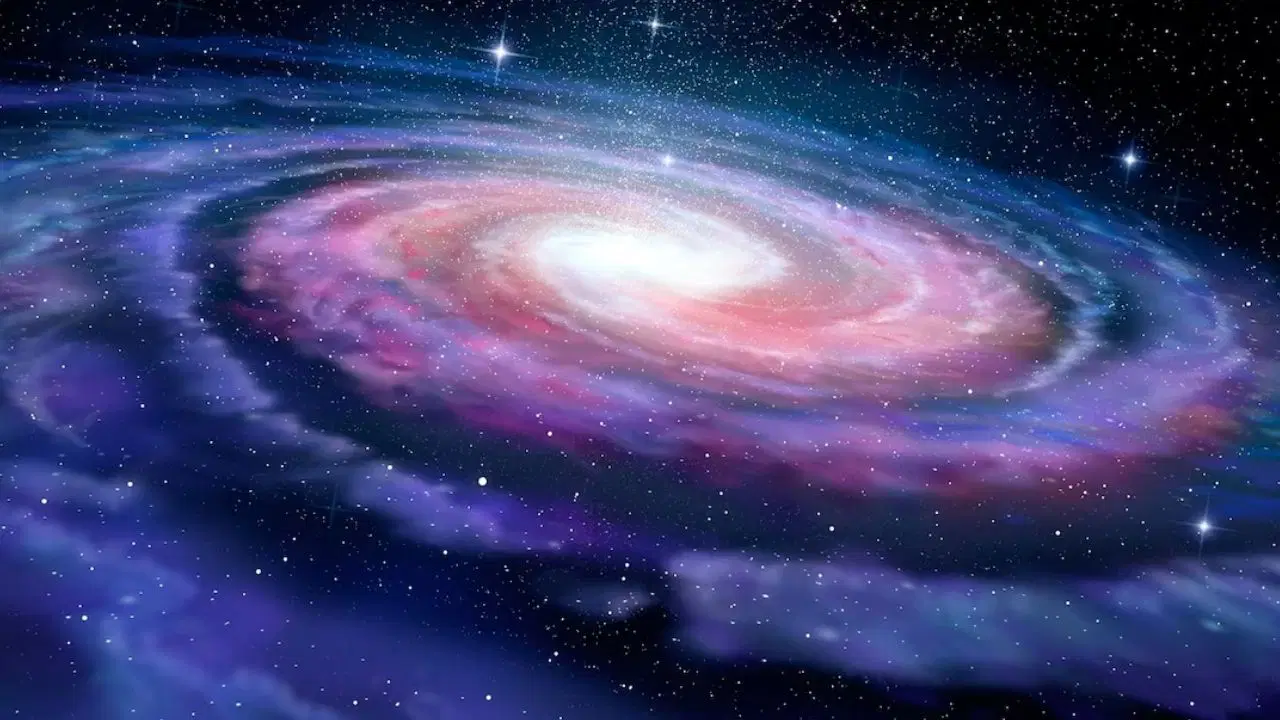
Scientists discover 4 new dwarf galaxy remnants swallowed by the Milky Way
Translated from Turkish, summarized and contextualized by DistantNews.
At a glance
News
Sources not specified
Context piece
- Scientists have discovered four new dwarf galaxy remnants and one dispersed globular cluster within the Milky Way.
- The findings, supported by TÜBİTAK and the IU Scientific Research Projects Unit, were published in the Astronomical Journal.
- These discoveries help astronomers understand galaxy formation processes and the Milky Way's past mergers.
A team of scientists has identified four new remnants of dwarf galaxies and one dispersed globular cluster within the Milky Way. The research, led by Dr. Olcay Plevne and doctoral student Furkan Akbaba from Istanbul University's Faculty of Science, aims to uncover traces of satellite dwarf galaxies that the Milky Way has absorbed through mergers over its history.
The study utilized high-resolution photometric and astrometric data from the Gaia satellite, alongside ground-based telescope data from the SDSS-V telescope and spectral data. This comprehensive approach allowed researchers to analyze vast amounts of information, employing machine learning and big data analysis techniques to identify previously unknown structures nestled between known celestial bodies.
By looking at how our galaxy formed, we are examining how other galaxies in the universe formed. We examine how these dwarf galaxy evolutions or how they contributed to the evolution of the main galaxy, what they gained, or how they changed their dynamics and chemical signature by intertwining.
Dr. Plevne described the research as akin to "DNA analysis" for galaxies, helping to understand how these smaller galaxies merged with and influenced the evolution of the larger Milky Way. "By looking at how our galaxy formed, we are examining how other galaxies in the universe formed," Plevne stated. "We examine how these dwarf galaxy evolutions or how they contributed to the evolution of the main galaxy, what they gained, or how they changed their dynamics and chemical signature by intertwining."
The newly discovered structures have been cataloged as "FO1-FO2-FO3-FO4-FO5" in the scientific literature. Plevne noted that while over 15 similar structures were previously known, these four add significantly to the understanding of galactic evolution. "The discovery of these new structures is important for understanding the formation processes of galaxies," he added. Further analysis will focus on the characteristics of these dwarf galaxies, their origins, and the timing of their mergers with the Milky Way.
The discovery of these new structures is important for understanding the formation processes of galaxies.
DistantNews Editorial
Originally published by Cumhuriyet in Turkish. Translated, summarized, and contextualized by our editorial team with added local perspective. Read our editorial standards.
More Stories



From Our Blog

What Gets Lost (and Found) When News Is Translated

The Critical Role of Diaspora Media in Global News

What Travellers Should Know About Countries with Restricted Press

A Digital Nomad's Guide to Following Local News

How the Same Story Looks Different in Different Countries
