


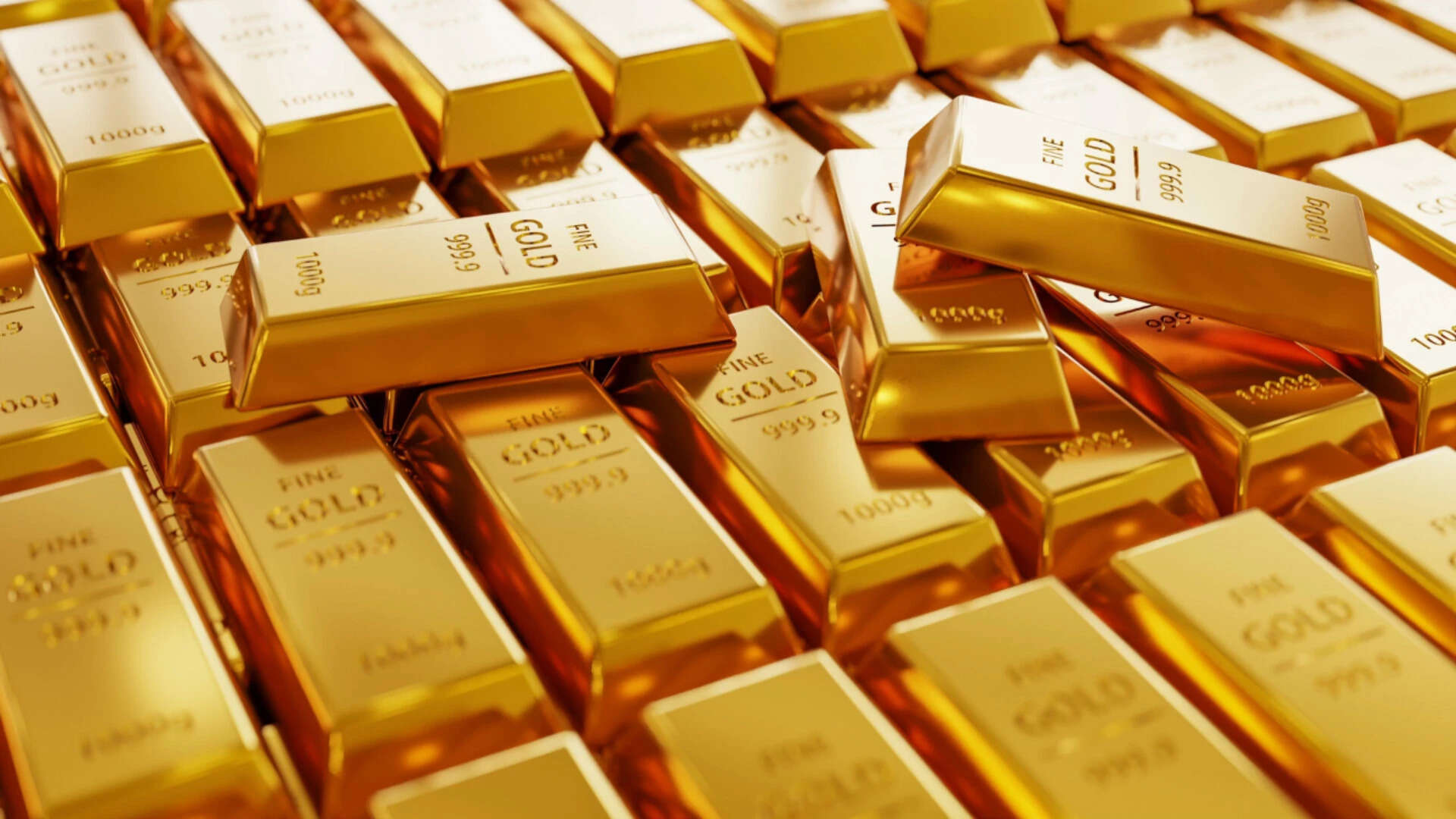
Scientists finally know why gold never tarnishes, and the secret lies in its self-protecting surface
Summarized and contextualized by DistantNews.
At a glance
In-depth
Sources not specified
Context piece
- Scientists have discovered that gold's resistance to tarnishing is due to a self-protection system where surface atoms rearrange to prevent oxidation.
- This atomic rearrangement creates a natural shield that slows down the oxidation process by a factor of a trillion, explaining gold's enduring shine.
- The discovery, made by researchers at Tulane University, could impact industrial manufacturing, particularly in the development of gold-based catalysts for green energy.
For millennia, humanity has prized pure gold for its unwavering luster, a precious metal that stubbornly resists dulling. Now, scientists have finally unraveled the mystery behind gold's remarkable resistance to tarnishing, pinpointing a sophisticated self-protection mechanism at the atomic level.
Researchers at Tulane University have found that gold's surface atoms possess an innate ability to rearrange themselves into specific patterns. This dynamic restructuring actively prevents oxygen from interacting with and damaging the metal's surface. This natural shield is incredibly effective, slowing the oxidation process by an astonishing factor of up to one trillion, thus preserving gold's brightness for generations.
Published in Physical Review Letters, the findings challenge previous assumptions. While gold's status as a noble metal, one of the least reactive elements, was known, the Tulane team's work reveals that gold actively participates in its own preservation. "People have generally thought gold doesn't tarnish simply because it doesn't interact strongly with oxygen," explained Matthew Montemore, an associate professor of Chemical Engineering at Tulane. "What we show is that for two of the most common gold surface types, the surface atoms actually rearrange themselves in a way that makes the gold much more resistant to oxidation."
Using advanced computer simulations, Montemore and postdoctoral fellow Santu Biswas modeled the behavior of electrons and atoms when exposed to oxygen. Their simulations demonstrated that without this atomic rearrangement, oxygen would readily break down and oxidize the gold. The protective geometric patterns formed by the surface atoms create a barrier that nearly halts oxygen bonding, explaining why ancient artifacts and modern jewelry maintain their pristine appearance.
This groundbreaking discovery not only solves a long-standing scientific puzzle but also holds significant implications for industrial applications. Gold-based catalysts are crucial for speeding up chemical reactions in manufacturing and environmental technologies. Understanding this self-protection mechanism could lead to innovative ways to design more efficient and durable gold-based catalysts, potentially opening new avenues for industrial manufacturing and the advancement of green energy solutions.
People have generally thought gold doesn't tarnish simply because it doesn't interact strongly with oxygen. What we show is that for two of the most common gold surface types, the surface atoms actually rearrange themselves in a way that makes the gold much more resistant to oxidation.
DistantNews Editorial
Originally published by Times of India. Summarized and contextualized by our editorial team with added local perspective. Read our editorial standards.
More Stories


From Our Blog

What Press Freedom Means for the News You Read

What Gets Lost (and Found) When News Is Translated

The Critical Role of Diaspora Media in Global News

What Travellers Should Know About Countries with Restricted Press

A Digital Nomad's Guide to Following Local News
