


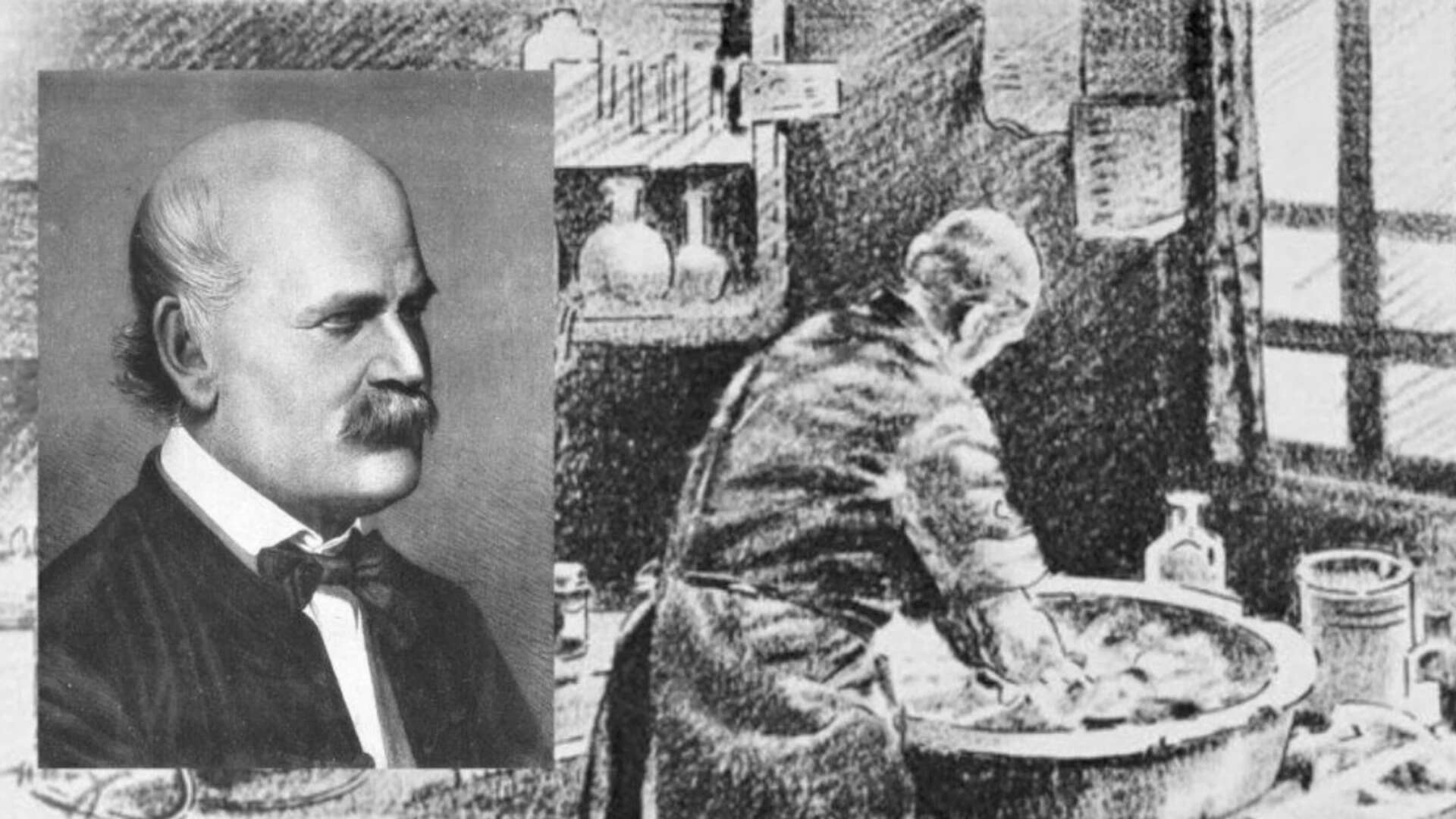
In 1847, a Vienna doctor discovered that handwashing with chlorine could cut childbirth deaths by 90 percent, but the medical world refused to believe him
Summarized and contextualized by DistantNews.
At a glance
In-depth
Sources not specified
Outcome reported
- In 1847, a Vienna doctor discovered handwashing with chlorine drastically cut childbirth deaths.
- His findings were rejected by the medical community, who couldn't scientifically explain the results.
- Later validation of germ theory proved his revolutionary work, saving countless lives.
In 1847, Viennese doctor Ignaz Semmelweis made a groundbreaking discovery: handwashing with a chlorine solution could slash maternal mortality rates by an astonishing 90 percent. He implemented this practice in hospitals, leading to a dramatic decrease in deaths during childbirth. However, Semmelweis faced fierce opposition from the established medical community. His revolutionary findings were largely dismissed because he could not provide a scientific rationale for why handwashing was so effective. The prevailing medical theories of the time did not account for microscopic organisms causing disease. Despite the overwhelming evidence of lives saved, Semmelweis's ideas were rejected, and he was ostracized by many of his peers. It wasn't until much later, with the advent of germ theory, that his work was vindicated. The scientific understanding of bacteria and disease finally validated his approach, leading to fundamental changes in medical hygiene that have since saved innumerable lives worldwide.
DistantNews Editorial
Originally published by Times of India. Summarized and contextualized by our editorial team with added local perspective. Read our editorial standards.
More Stories



From Our Blog

What Press Freedom Means for the News You Read

What Gets Lost (and Found) When News Is Translated

The Critical Role of Diaspora Media in Global News

What Travellers Should Know About Countries with Restricted Press

A Digital Nomad's Guide to Following Local News
