

Scientists found a spider in the Amazon that looks like a parasitic fungus so perfectly they first mistook it for a mushroom
Summarized and contextualized by DistantNews.
At a glance
In-depth
Sources not specified
Context piece
- Scientists have discovered a new spider species in the Amazon rainforest that remarkably mimics a parasitic fungus.
- The spider, Taczanowskia waska, uses its appearance and stillness to deceive predators and prey.
- This discovery highlights the intricate survival strategies and biodiversity within the Amazon.
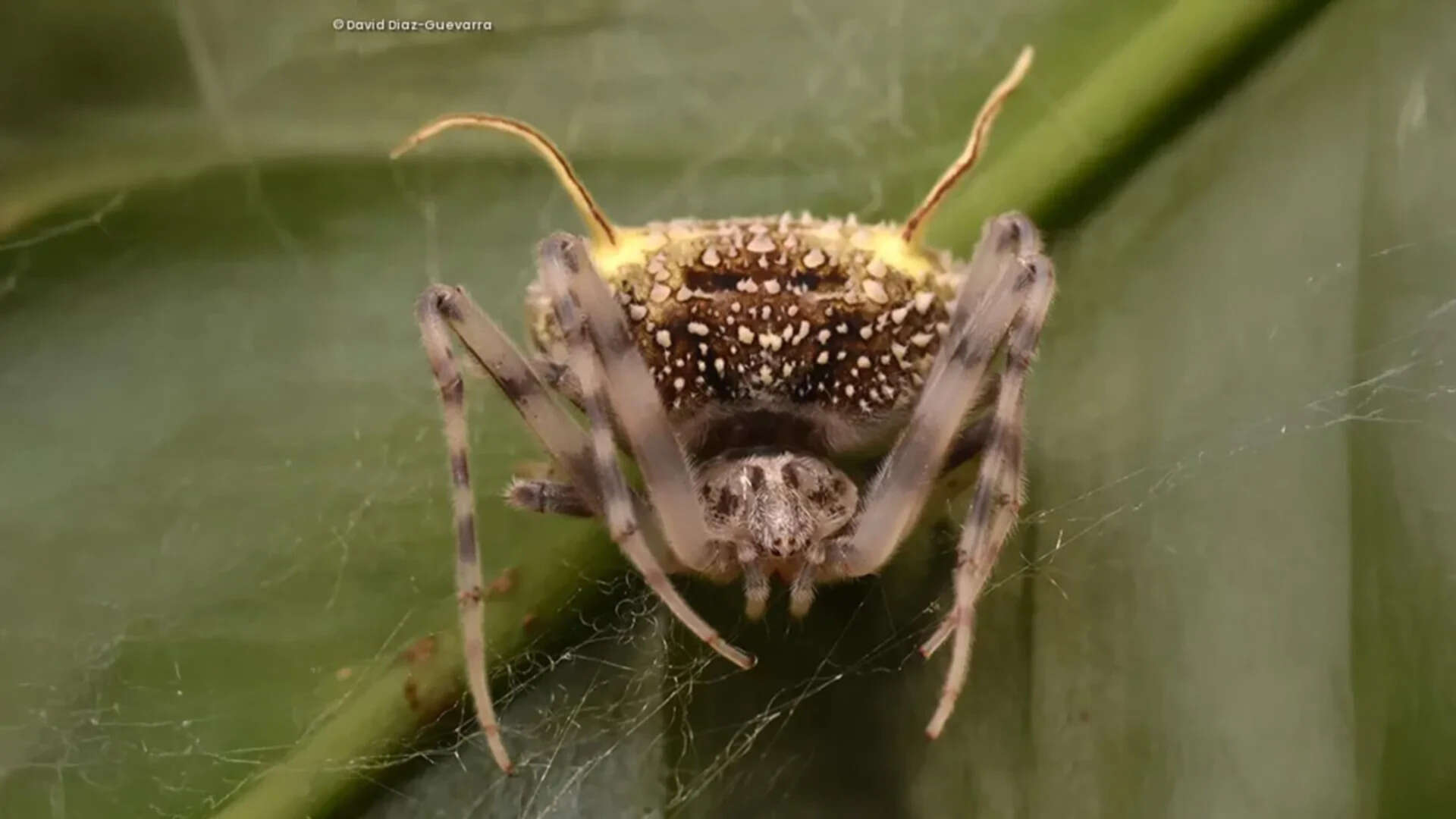
In a fascinating discovery within Ecuador's Amazon rainforest, scientists have identified a new spider species, Taczanowskia waska, whose appearance is so convincingly fungal that it was initially mistaken for a mushroom. This remarkable mimicry is a sophisticated survival tactic employed by the arachnid.
The spider exhibits pale coloration and possesses appendages that closely resemble the structure of fungi that prey on spiders. Its ability to remain perfectly still allows it to blend seamlessly into its environment, effectively deceiving both predators and potential prey. This exceptional adaptation underscores the complex and often surprising ways life evolves to ensure survival in diverse ecosystems.
Highlighted through citizen science initiatives, this finding serves as a potent reminder of the vast, unexplored biodiversity within the world's rainforests. It emphasizes the intricate web of life and the ingenious strategies organisms develop to navigate their surroundings. The discovery of Taczanowskia waska adds another layer to our understanding of the enigmatic diversity thriving in these vital natural habitats.
DistantNews Editorial
Originally published by Times of India. Summarized and contextualized by our editorial team with added local perspective. Read our editorial standards.
More Stories



From Our Blog

What Press Freedom Means for the News You Read

What Gets Lost (and Found) When News Is Translated

The Critical Role of Diaspora Media in Global News

What Travellers Should Know About Countries with Restricted Press

A Digital Nomad's Guide to Following Local News
