


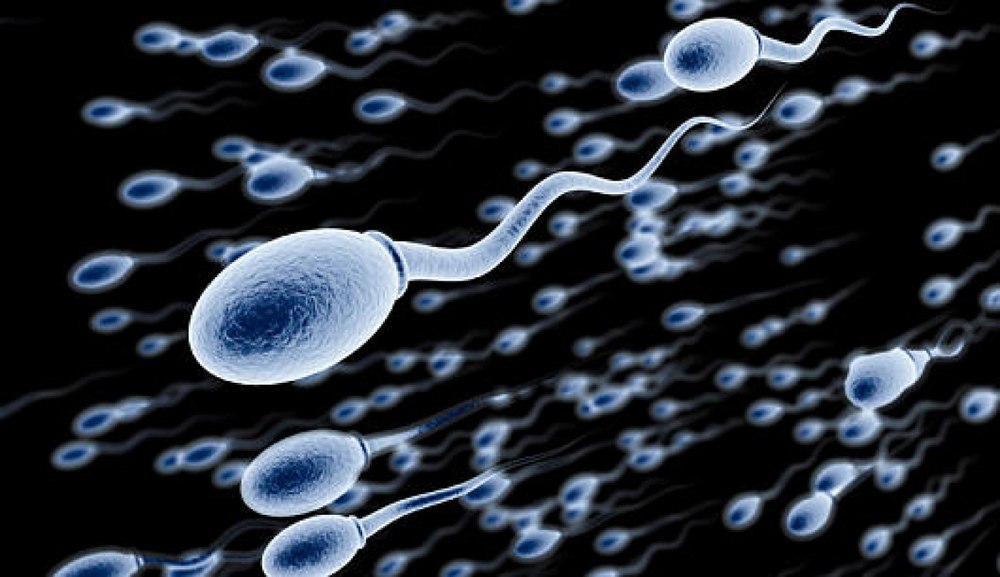
Scientists Reproduce Early Stages of Sperm Formation in Lab 'Mini-Testis'
Translated from Romanian, summarized and contextualized by DistantNews.
At a glance
News
Named sources
Context piece
- Scientists have successfully generated immature male germ cells from stem cells in a "mini-testis" model.
- This breakthrough could aid research into male infertility.
- The study reproduced the initial stages of sperm formation in a laboratory setting.
Researchers have achieved a significant milestone in reproductive science, successfully generating immature male germ cells from stem cells within a laboratory-created "mini-testis" model. This development marks a crucial step in understanding and potentially treating male infertility.
The scientific team managed to reproduce the earliest stages of sperm formation, a complex biological process. By using stem cells and cultivating them in a specialized in-vitro environment designed to mimic testicular conditions, they were able to coax the cells into becoming immature germ cells. These cells are the precursors to mature sperm.
This advancement holds considerable promise for future research. It provides scientists with a novel platform to study the intricate mechanisms of spermatogenesis, the process by which sperm are produced. Furthermore, it could unlock new avenues for developing diagnostic tools and therapeutic strategies for men experiencing difficulties in conceiving.
DistantNews Editorial
Originally published by Adevărul in Romanian. Translated, summarized, and contextualized by our editorial team with added local perspective. Read our editorial standards.
More Stories


From Our Blog

What Gets Lost (and Found) When News Is Translated

The Critical Role of Diaspora Media in Global News

What Travellers Should Know About Countries with Restricted Press

A Digital Nomad's Guide to Following Local News

How the Same Story Looks Different in Different Countries
