

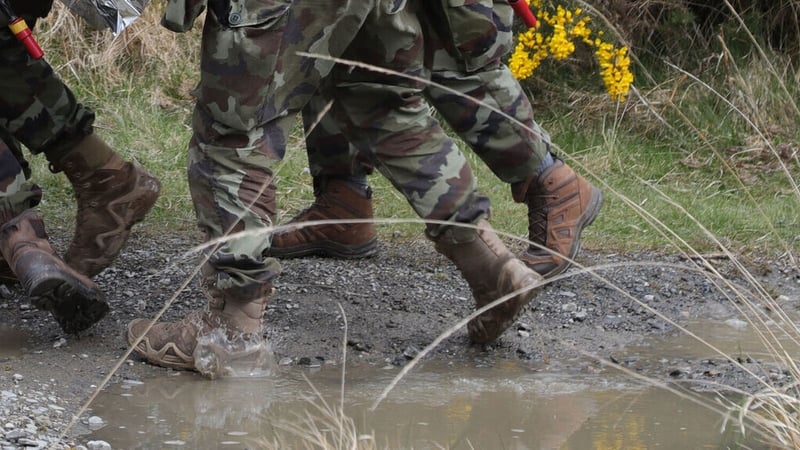

Scrapping triple lock is major Fianna Fáil policy shift, party told
Translated from English, summarized and contextualized by DistantNews.
At a glance
News
Named sources
New plan
- Fianna Fáil backbenchers argue that plans to scrap the triple lock represent a fundamental policy change.
- The proposed reform would remove the need for UN Security Council approval for deploying Irish Defence Forces personnel overseas.
- Party leadership is attempting to quell internal concerns, with a briefing scheduled on the government's plans.
A group of Fianna Fáil backbenchers has informed the party leadership that the government's plan to scrap the triple lock constitutes a "fundamental change" to traditional party policy. This reform, a key initiative pushed by Taoiseach Micheál Martin, is emerging as a potential point of contention within the party.
This is in view of the fact that this constitutes a fundamental change in traditional Fianna Fáil policy as enunciated in successive ardfheiseanna, policy manifestos, public statements etc.
A letter, authored by Limerick City TD Willie O’Dea and sent to the party ahead of its weekly meeting, stresses the urgency of discussing the changes. The letter states that the reform represents a "fundamental change in traditional Fianna Fáil policy as enunciated in successive ardfheiseanna, policy manifestos, public statements etc." It also notes the triple lock's role in persuading the public to support the Nice and Lisbon referendums.
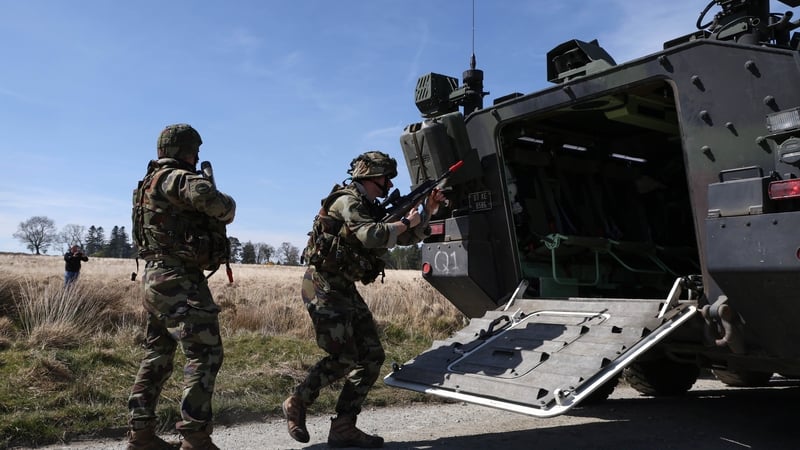
The government's proposed Defence (Amendment) Bill 2026 would eliminate the requirement for UN Security Council approval for deploying more than 12 Irish Defence Forces personnel abroad. Instead, only the approval of the Irish Government and the Oireachtas would be needed. The government argues this is necessary to prevent permanent UN Security Council members, such as China, the US, and Russia, from having an effective veto over troop deployments.
The ‘Triple Lock’ was also a central factor in enabling the Government to persuade the Irish people to support the Nice and Lisbon referendums.
Despite Minister of State Thomas Byrne's planned briefing to the parliamentary party, intended to quell concerns, private discussions among backbenchers reveal significant criticism. Some TDs feel there has been no "reasoned explanation on the need for change," while others express "unrest" and a determination to argue against dismantling the triple lock. Minister for Defence Helen McEntee, from the coalition partner Fine Gael, has called the reform "absolutely essential."
The reform was “absolutely essential” and there was “no ambiguity” on what was agreed in the programme for Government on the triple lock.
DistantNews Editorial
Originally published by Irish Times in English. Translated, summarized, and contextualized by our editorial team with added local perspective. Read our editorial standards.
More Stories


From Our Blog

What Gets Lost (and Found) When News Is Translated

The Critical Role of Diaspora Media in Global News

What Travellers Should Know About Countries with Restricted Press

A Digital Nomad's Guide to Following Local News

How the Same Story Looks Different in Different Countries
