

Search collectives deliver letter to UN High Commissioner; call to recognize Mexico's disappearance crisis
Translated from Spanish, summarized and contextualized by DistantNews.
TLDR
- Human rights groups urged the UN High Commissioner for Human Rights to recognize the crisis of disappearances in Mexico as a crime against humanity.
- They submitted a collective letter requesting technical cooperation, financial support, and specialized assistance for investigations into forced disappearances and links to organized crime.
- The groups also called for an effective mechanism to uncover the truth and provide support to families searching for their loved ones.
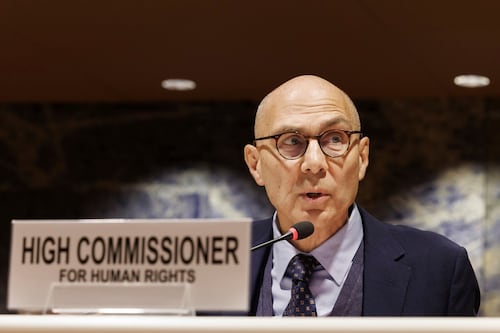
The relentless search for truth and justice in Mexico has reached a critical juncture, with human rights organizations imploring the United Nations to acknowledge the profound crisis of disappearances plaguing the nation. The submission of a collective letter to UN High Commissioner Volker Türk by 104 collectives and 78 NGOs marks a significant plea for international intervention. These groups, representing countless families torn apart by the disappearance of loved ones, are not merely seeking recognition but demanding concrete actions to address what they fear could be classified as crimes against humanity.
The letter specifically calls for the UN High Commissioner to publicly support the findings of the UN Committee on Enforced Disappearances (CED). This report, detailing the scale and gravity of forced disappearances in Mexico, is seen by these organizations as a beacon of hope. They believe that a strong pronouncement from the High Commissioner would not only validate the CED's work but also send an unequivocal message about the integrity of the UN's universal system and its commitment to eradicating such practices globally. The urgency of this appeal is underscored by the staggering figures: over 132,000 people missing and more than 70,000 unidentified bodies.
A pronouncement from you would strengthen the authority of the Convention and send an unequivocal message about the integrity of the universal system and the indivisibility of UN efforts to eradicate this practice in Mexico and globally.
From the perspective of a Mexican publication like El Universal, which has consistently covered the devastating impact of forced disappearances, this event is deeply resonant. The article highlights the dual struggle: the agonizing wait for families and the systemic challenges in achieving justice. The request for technical cooperation, financial aid, and specialized assistance points to the perceived shortcomings in domestic investigations, particularly concerning alleged links between public officials and organized crime. The call for an effective truth-finding mechanism and protection for families and human rights defenders reflects a deep-seated need for accountability and support in a country grappling with immense trauma. This is not just a human rights issue; it is a national tragedy that demands both local and international attention, and the perspective from Mexico emphasizes the profound pain and the unwavering hope for resolution.
The report from the Committee represents hope and an opportunity for the families of the more than 132,000 disappeared people in Mexico, to locate their loved ones and identify more than 70,000 bodies of deceased persons, as well as bring those responsible to justice and 'put an end to the crisis of disappearances'.
DistantNews Editorial
Originally published by El Universal in Spanish. Translated, summarized, and contextualized by our editorial team with added local perspective. Read our editorial standards.
More Stories


From Our Blog

What Press Freedom Means for the News You Read

What Gets Lost (and Found) When News Is Translated

The Critical Role of Diaspora Media in Global News

What Travellers Should Know About Countries with Restricted Press

A Digital Nomad's Guide to Following Local News
