

Pakistan transporters' strike halts industry, threatens exports
Translated from English, summarized and contextualized by DistantNews.
At a glance
News
Named sources
Ongoing story
- A nationwide strike by goods transporters and oil tankers is disrupting Pakistan's industrial and export supply chains.
- Transporters demand the government restore a monthly fuel price mechanism and reduce withholding tax, citing dissatisfaction with daily price fluctuations.
- Manufacturers warn that prolonged disruption could halt production, jeopardize export commitments, and harm the economy.
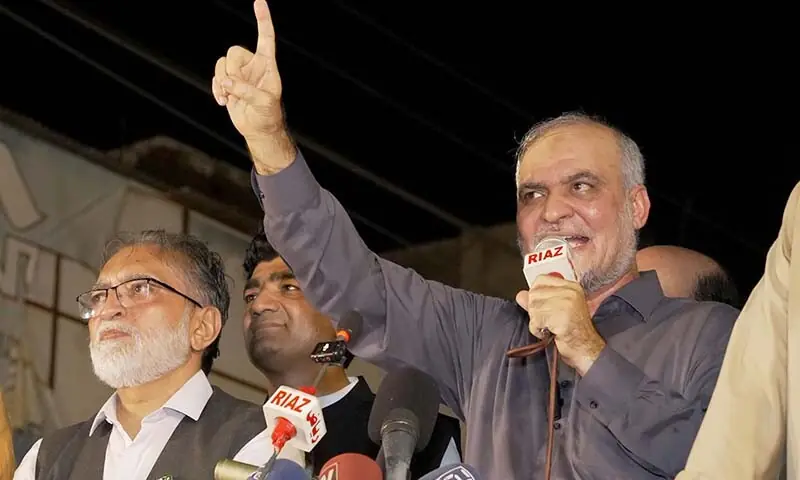
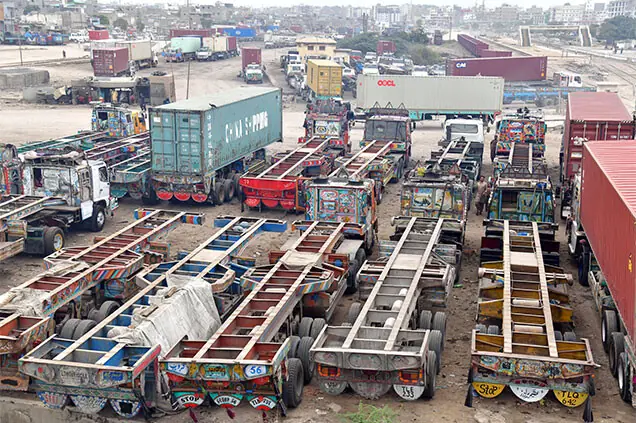
A nationwide strike by goods transporters and oil tankers has paralyzed Pakistan's industrial and export supply chains, with operators refusing to end their protest until talks with the government on Monday. The movement of over 400,000 vehicles has been suspended since Saturday.
our countrywide strike will continue as our leadership intends to meet the ministers concerned with petroleum, transport and ports on Monday
Pakistan Goods Transporters Alliance Chairman Nisar Hussain Jafry stated that the strike continues as leadership plans to meet with ministers of petroleum, transport, and ports on Monday. He explained that the government's new daily fuel price mechanism creates uncertainty, making it difficult for transporters and industries to establish firm transportation charges due to daily price changes. Transporters are demanding the restoration of the monthly fuel price mechanism and a reduction in withholding tax from 7% to 2%.
Industrialists, already grappling with high production costs, have cautioned that the ongoing strike could cripple factories if raw material supplies remain suspended. They warned of stalled production, derailed schedules, and jeopardized export commitments, ultimately impacting employment and the national economy. The SITE Association of Industry President Abdul Rehman Fudda described the situation as alarming, emphasizing that the entire production system relies on timely supply and delivery.
We are dissatisfied with the daily fuel price fixation introduced by the government, which is only creating problems
Further grievances cited by transporters include the excessive number and high rates of toll plazas, frequent parking issues for heavy vehicles near ports, and problems with driving licenses. Transporters also noted that commitments made in a December 2025 charter of demands have yet to be fulfilled.
The entire production system depends on timely supply of raw materials and delivery of finished goods. If factories fail to receive essential inputs, production will stall, while delays in dispatching finished products will worsen
DistantNews Editorial
Originally published by Dawn in English. Translated, summarized, and contextualized by our editorial team with added local perspective. Read our editorial standards.
More Stories
From Our Blog

What Gets Lost (and Found) When News Is Translated

The Critical Role of Diaspora Media in Global News

What Travellers Should Know About Countries with Restricted Press

A Digital Nomad's Guide to Following Local News

How the Same Story Looks Different in Different Countries
