

Selangor Dams Ensure Six-Month Water Supply Amid Monsoon and El Niño Concerns
Translated from Malay, summarized and contextualized by DistantNews.
At a glance
News
Named sources
Context piece
- Selangor's water dams maintain over 75% capacity, ensuring supply for three to six months.
- Continuous monitoring and control measures are in place to maintain water quality and supply stability.
- Alternative water sources and infrastructure upgrades are planned to bolster reserves against potential El Niño effects.
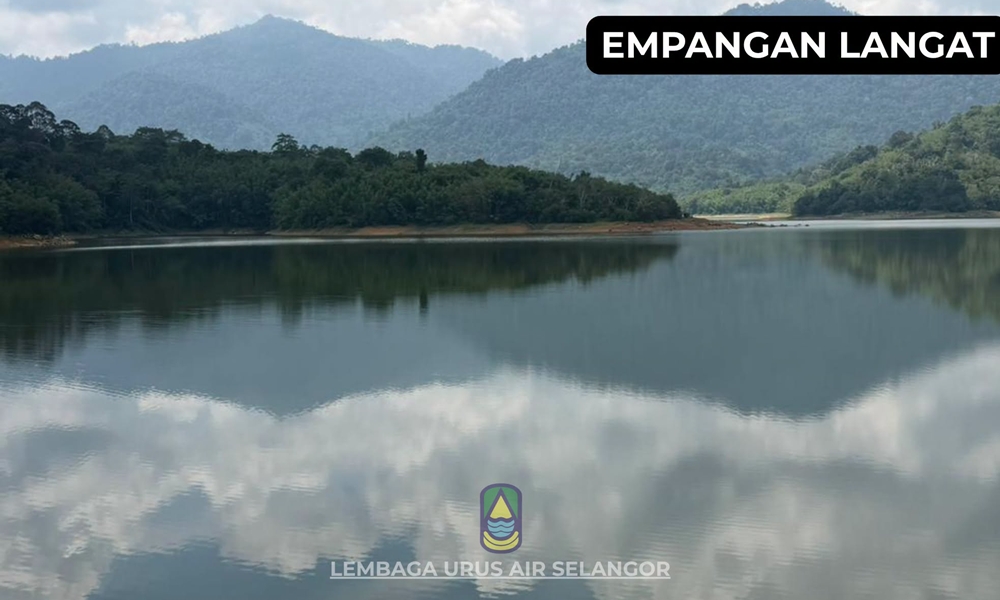
Water levels in Selangor's seven dams remain robust, exceeding 75% capacity and capable of supplying the state for three to six months. Officials expect water levels to remain stable in the coming months due to controlled releases managed by the Selangor Water Management Board (LUAS) and Air Selangor.
Selangor's Public Health and Environment Exco, Jamaliah Jamaluddin, reported that the state's main rivers show good water quality based on data from the Department of Environment (JAS) up to April 2026. Continuous 24-hour monitoring is conducted in the Selangor, Langat, and Klang river basins to prevent pollution incidents that could affect water treatment plants.
While current levels are sufficient, the state government is prepared to implement cloud seeding operations in collaboration with the National Disaster Management Agency (NADMA) and the Malaysian Meteorological Department if dam levels drop below 50%. This contingency is in preparation for the Southwest Monsoon, expected to last until September 2026, which typically brings lower rainfall to Selangor and could be exacerbated by the El Niño phenomenon.
To further secure water resources, Selangor has over 140 alternative water sources, including former mining pools under the Selangor Off River Storage Scheme (SORSS). These are being upgraded to increase raw water storage capacity. The SORSS allows for the optimization of these alternative sources, providing up to three months of supply by pumping water from pools to rivers during dry spells. Overall, Selangor's water resources are estimated to be sufficient for up to nine months, considering the monsoon and potential El Niño impacts.
DistantNews Editorial
Originally published by Utusan Malaysia in Malay. Translated, summarized, and contextualized by our editorial team with added local perspective. Read our editorial standards.
More Stories


From Our Blog

What Gets Lost (and Found) When News Is Translated

The Critical Role of Diaspora Media in Global News

What Travellers Should Know About Countries with Restricted Press

A Digital Nomad's Guide to Following Local News

How the Same Story Looks Different in Different Countries
