

Self-Charging Electric Cars: Solar Cells Turn Windows into Power Sources
Translated from Vietnamese, summarized and contextualized by DistantNews.
At a glance
News
Named sources
Context piece
- Researchers have developed an ultra-thin, semi-transparent solar cell that can turn glass surfaces into power generators.
- This technology, from Nanyang Technological University in Singapore, is significantly thinner than traditional perovskite cells.
- It could enable electric vehicles to charge using their windows and integrate power generation into building glass without altering appearance.
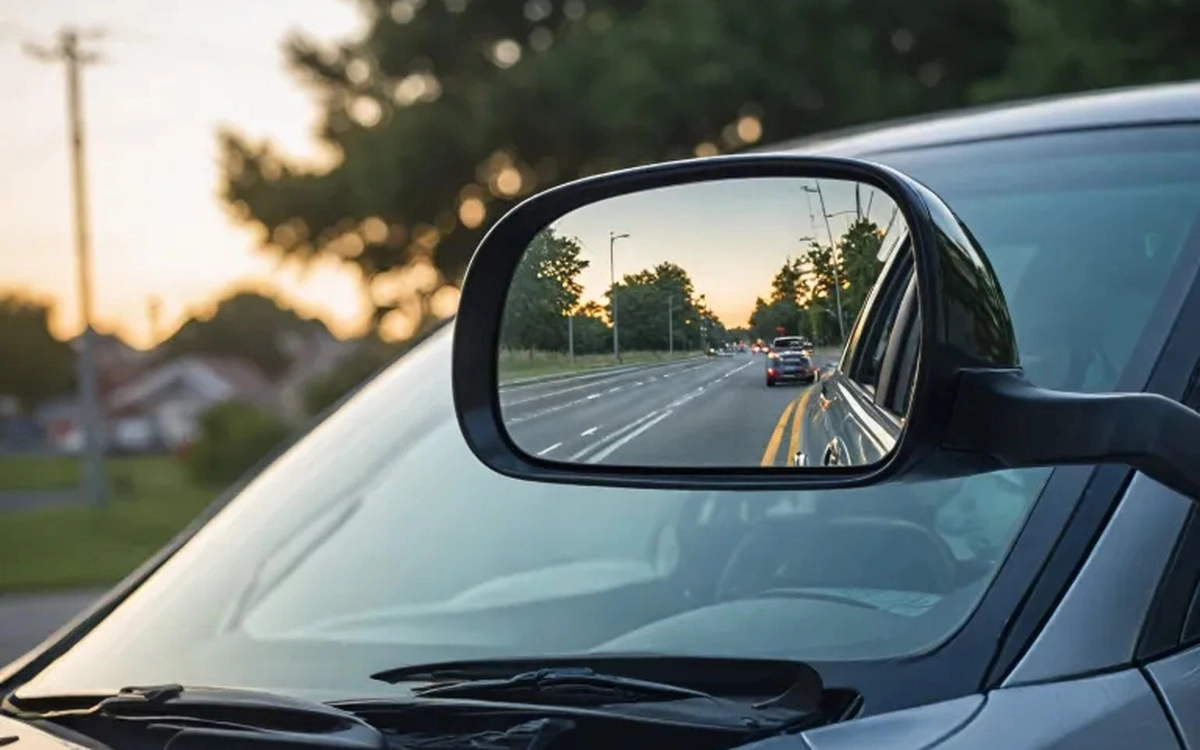
Researchers at Nanyang Technological University (NTU) in Singapore have created a breakthrough in solar technology: an ultra-thin, semi-transparent solar cell that can be integrated into glass surfaces. This innovation allows ordinary windows to function as miniature power plants, potentially revolutionizing how electric vehicles are charged and how buildings generate energy. The new perovskite solar cells are incredibly thin, about 10,000 times thinner than a human hair and 50 times thinner than conventional perovskite cells. Despite their reduced thickness, they maintain high efficiency, achieving some of the best performance rates recorded for such thin solar cells. A key feature is their semi-transparent nature and near-colorless appearance, allowing them to be integrated into glass without significantly changing its look. In advanced versions, these cells allow 41% of visible light to pass through while still generating electricity. Professor Annalisa Bruno, who leads the research, highlighted that existing surfaces are increasingly attractive for power generation, especially as buildings account for about 40% of global energy consumption. For automobiles, this technology offers a novel way to harness solar energy. While some manufacturers have experimented with solar roofs, these often have a dark appearance. The Singaporean technology's near-invisibility is a significant advantage, as it can be applied to windshields, windows, or sunroofs without substantially affecting visibility. Initial calculations suggest that if applied to a car's glass surfaces, it could provide sufficient supplementary power for daily driving needs.
Buildings themselves account for around 40% of global energy consumption.
DistantNews Editorial
Originally published by Tuổi Trẻ in Vietnamese. Translated, summarized, and contextualized by our editorial team with added local perspective. Read our editorial standards.
More Stories


From Our Blog

What Gets Lost (and Found) When News Is Translated

The Critical Role of Diaspora Media in Global News

What Travellers Should Know About Countries with Restricted Press

A Digital Nomad's Guide to Following Local News

How the Same Story Looks Different in Different Countries
