


Senior Officials Cannot Evade Responsibility, Says Top Prosecutor
Translated from Sinhala, summarized and contextualized by DistantNews.
At a glance
Analysis
Named sources
Context piece
- Senior state officials cannot evade responsibility by passing documents to subordinates with a note "for appropriate action," according to Additional Solicitor General Dileep Peiris.
- He stated that accountability for state officials is likely to intensify moving forward.
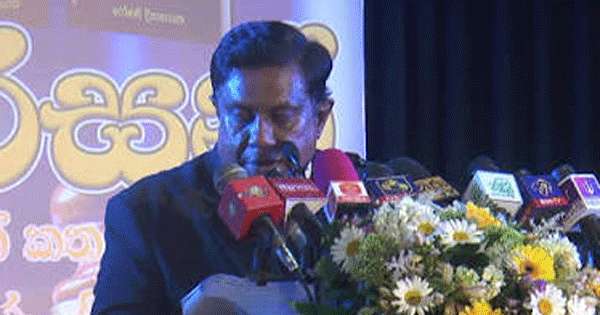
- Peiris made these remarks at the launch of a book titled "Nirisana Nithi Kathandara" (Stories of Lawless Laws) by Additional Secretary Dr. Rohani Disanayake.
Senior state officials cannot shirk responsibility by simply forwarding documents to lower-ranking staff with a note stating "for appropriate action," emphasized Additional Solicitor General Dileep Peiris. He asserted that the ruling in the Hemasiri-Pujith case clearly illustrates this point, highlighting that such actions do not absolve higher-ups of their duties.
It is not possible to escape responsibility by mentioning "for appropriate action" in a document related to a crucial matter and sending it to a lower-ranking official.
Peiris suggested that the accountability and responsibility of state officials are poised to become even more stringent in the future. He noted that in many case files from the Financial Crimes Investigation Division (FCID), decisions were made by the state officials themselves, who were careful not to include any political annotations on these documents.
The responsibility and accountability of state officials may intensify even more from now on.
These observations were made during a speech at the launch of the book "Nirisana Nithi Kathandara" (Stories of Lawless Laws), authored by Additional Secretary Dr. Rohani Disanayake, at the Sri Lanka Institute of Development Administration. Peiris recounted his own early experiences in the legal field, noting the lack of guidance for aspiring lawyers in 1993, when he, along with Ministry Secretary Aloka Bandara and current Inspector General of Police Priyantha Weerasuriya, began their legal studies at the University of Colombo's law faculty.
In many FCID incoming files, the relevant decisions were made by the state official.
He described the challenges faced by students, many from rural backgrounds, who were unaware of the necessity of attending law college after completing their university law degree. Peiris highlighted the gap in practical legal education, explaining how students needed to learn how to find senior lawyers for mentorship, navigate law college examinations, and understand courtroom procedures – knowledge not always covered in academic lectures. He stressed the importance of legal awareness, fundamental rights, and access to justice, particularly for those in rural areas, posing questions about how this knowledge is imparted.
Many were under the impression that they would emerge from the University of Colombo as lawyers.
DistantNews Editorial
Originally published by Lankadeepa in Sinhala. Translated, summarized, and contextualized by our editorial team with added local perspective. Read our editorial standards.
More Stories

From Our Blog

What Gets Lost (and Found) When News Is Translated

The Critical Role of Diaspora Media in Global News

What Travellers Should Know About Countries with Restricted Press

A Digital Nomad's Guide to Following Local News

How the Same Story Looks Different in Different Countries
