

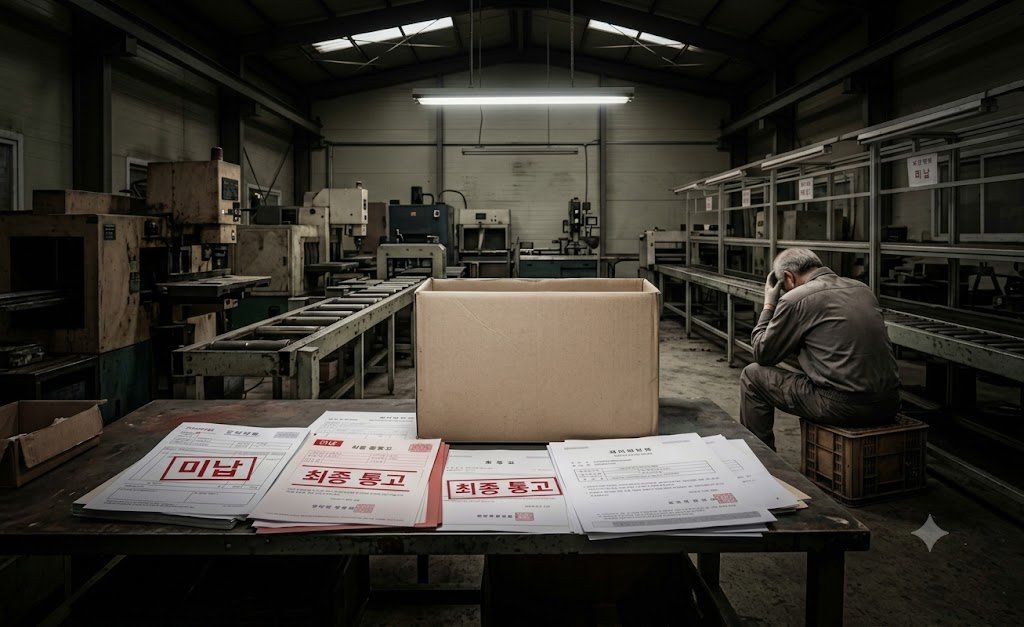

Sent living expenses, got hit with a gift tax bomb? Real-world strategies for the wealthy
Translated from Korean, summarized and contextualized by DistantNews.
At a glance
News
Sources not specified
Context piece
- Wealthy individuals are using strategic gifting to minimize gift tax liabilities in South Korea.
- Tax authorities scrutinize large transfers, especially for housing purchases, looking for the source and purpose of funds.
- Experts advise proactive, value-based gifting, leveraging tax-free allowances and timing transfers with asset value cycles.
South Korean tax experts are revealing sophisticated strategies employed by the wealthy to navigate gift tax regulations, particularly concerning large sums transferred between family members. The core principle revolves around maximizing legal tax-free allowances and timing transfers to coincide with asset value fluctuations.
Gift tax is up to 600 million won for spouses, and 50 million won over 10 years between direct ascendants and descendants.
According to tax advisor Lee Jang-won, spouses can receive up to 600 million won tax-free, while direct descendants can receive up to 50 million won over a 10-year period. Exceeding these limits attracts scrutiny from the National Tax Service, which closely examines the origin and intended use of funds, especially when significant assets like homes are involved.
Lee emphasized that even transfers designated as living expenses can trigger tax issues if the funds are not fully consumed and instead used to build assets, such as purchasing stocks or real estate. Furthermore, if a child has their own income and financial capacity, the obligation to provide support may not be considered valid, potentially leading to gift tax.
If you spend all the money you receive, it's fine, but if you save it, it's not okay. If you save it, that asset is formed, so if you form assets by buying stocks or real estate, it's no longer living expenses.
To mitigate these taxes, affluent individuals are advised to monitor asset cycles and gift strategically. For instance, anticipating a stock market upswing after a real estate downturn, they might transfer stock assets. This proactive approach aims to capture future value appreciation before it fully materializes, effectively shielding it from future gift tax assessments. Some even begin splitting assets and gifting them to children from birth, utilizing the 10-year tax-free allowance to its fullest extent.
This is why they do it: 'Now is the cheapest.'
DistantNews Editorial
Originally published by Dong-A Ilbo in Korean. Translated, summarized, and contextualized by our editorial team with added local perspective. Read our editorial standards.
More Stories


From Our Blog

What Gets Lost (and Found) When News Is Translated

The Critical Role of Diaspora Media in Global News

What Travellers Should Know About Countries with Restricted Press

A Digital Nomad's Guide to Following Local News

How the Same Story Looks Different in Different Countries
