


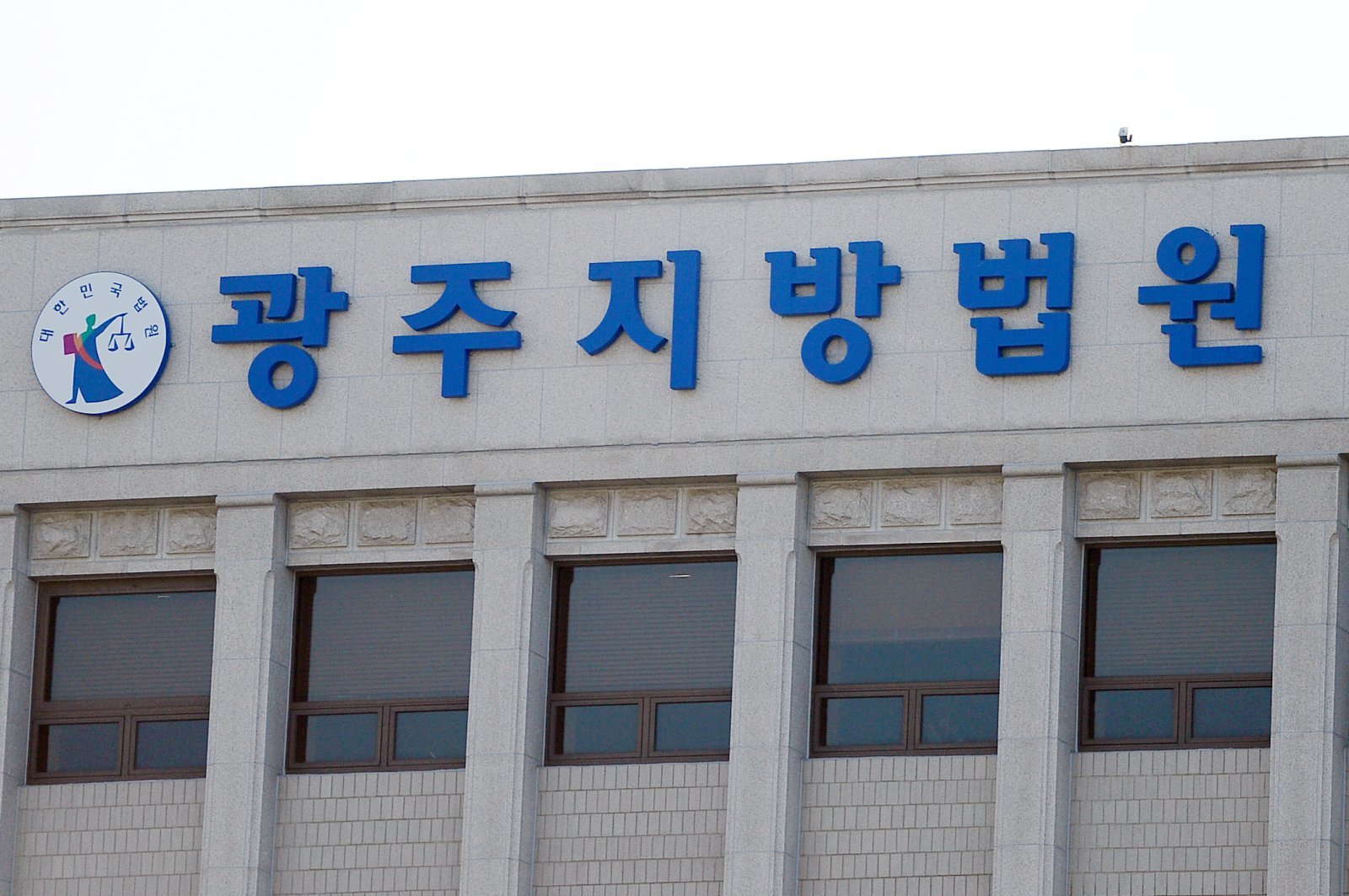
Sentenced to prison for setting fire to colleague's car over unpaid loan
Translated from Korean, summarized and contextualized by DistantNews.
At a glance
News
Sources not specified
Outcome reported
- A 50-year-old man was sentenced to prison for setting fire to a colleague's car.
- The arson occurred because the colleague refused to lend him money.
- The court cited the danger of arson and the defendant's lack of effort in restitution as reasons for the sentence.
A man in his 50s has been sentenced to one year and two months in prison for setting fire to his colleague's vehicle. The incident occurred in Gwangsan-gu, Gwangju, on March 31st, when the accused, identified as Mr. A (58), intentionally set fire to the car parked in front of his colleague, Mr. B (70s).
Arson crimes are crimes with high social risk that can harm public safety and peace and cause significant damage to the lives and property of unspecified individuals, requiring strict measures.
The motive behind the arson was reportedly Mr. A's frustration after Mr. B refused his request to borrow money. The court noted that the fire occurred in a densely populated area with numerous cars and houses nearby, posing a significant risk of escalating into a larger conflagration that could endanger lives and property.
The Gwangju District Court's 12th Criminal Division, presided over by Judge Jang Woo-seok, handed down the sentence for general automobile arson. The court emphasized the severe societal danger posed by arson, stating that such crimes threaten public safety and can cause substantial harm to the lives and property of unspecified individuals. It highlighted the need for strict measures against such offenses.
Although the defendant caused significant property damage and emotional distress to the victim, he has not made any substantial efforts toward restitution.
While acknowledging the considerable property damage and emotional distress inflicted upon the victim, the court also considered mitigating factors. These included Mr. A's self-reporting to the authorities immediately after the incident and the fact that no 인명 피해 (personal injuries or fatalities) occurred. These factors were taken into account when determining the final sentence.
However, the defendant voluntarily reported himself after the crime and was investigated, and no 인명 피해 (personal injuries or fatalities) occurred, which are considered favorable circumstances.
DistantNews Editorial
Originally published by Dong-A Ilbo in Korean. Translated, summarized, and contextualized by our editorial team with added local perspective. Read our editorial standards.
More Stories


From Our Blog

What Gets Lost (and Found) When News Is Translated

The Critical Role of Diaspora Media in Global News

What Travellers Should Know About Countries with Restricted Press

A Digital Nomad's Guide to Following Local News

How the Same Story Looks Different in Different Countries
