


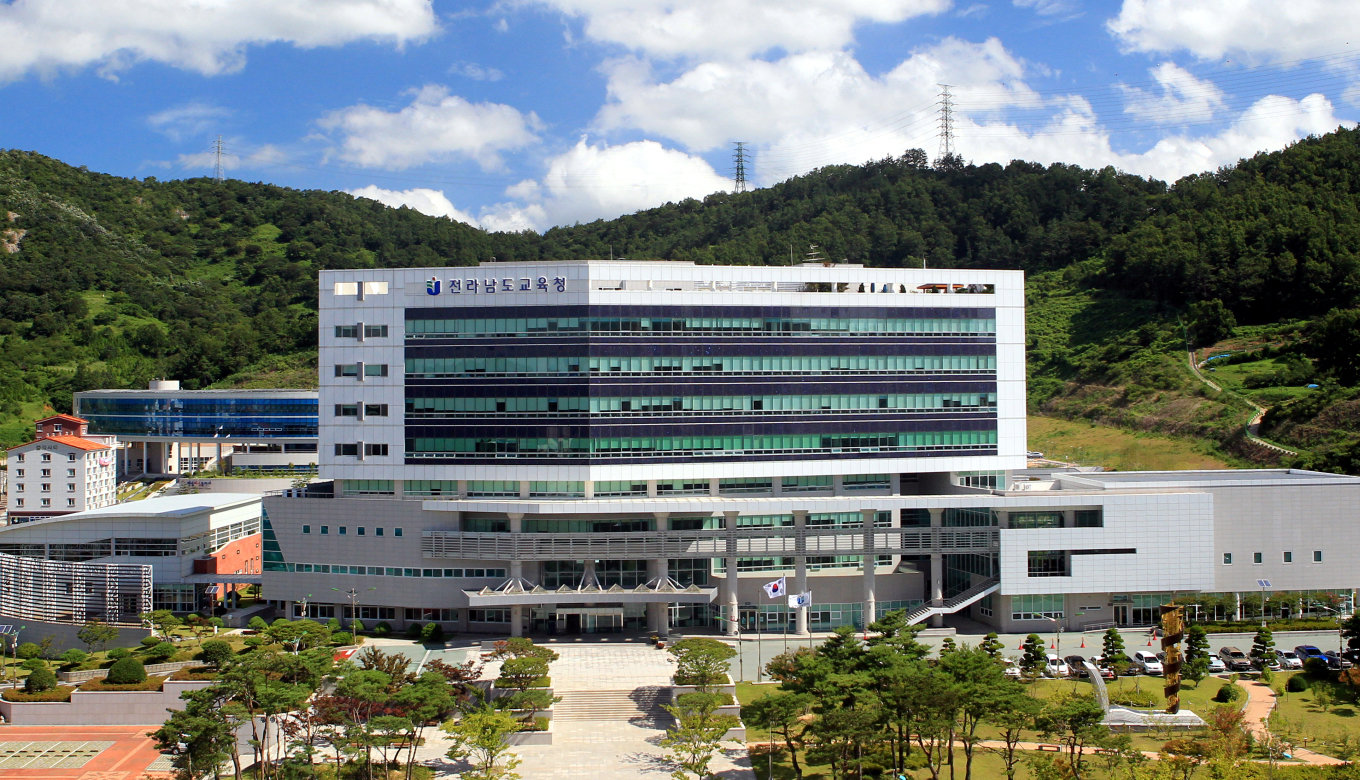
South Korean Education Employees Caught Selling School Property Online
Translated from Korean, summarized and contextualized by DistantNews.
At a glance
News
Named sources
Under investigation
- Four education office employees in South Korea were caught selling school property online.
- Items sold included dehumidifiers, laptops, Lego sets, and AI robots.
- The employees faced disciplinary actions ranging from reprimands to dismissal, and some are under police investigation for theft.
An investigation has uncovered a scheme where four employees of the former Jeonnam Provincial Office of Education in South Korea illicitly sold school property through online second-hand marketplaces. The items involved ranged from common appliances like dehumidifiers to educational equipment such as laptops, Lego sets, and AI robots.
The Civic Group for the Abolition of Academic-Background Discrimination reported the findings to the Anti-Corruption and Civil Rights Commission, which subsequently notified the education office. The commission has referred the case to the police for further investigation.
One employee from a middle school received a reprimand, a 100,000 won fine, and a formal warning for selling a school dehumidifier. Another employee from an elementary school was dismissed for selling school IT equipment, including laptops, for approximately 15.55 million won. This employee also faces a 46.67 million won disciplinary fine and must return the illicit profits.
Two other employees are currently under police investigation. One is accused of selling educational materials like Lego sets, while the other allegedly sold AI robots and other educational equipment, keeping some items at home. Both face potential theft charges.
The civic group condemned the actions as a serious criminal offense that infringes upon students' right to learn. They urged for strong post-incident measures, including severe disciplinary actions, fines, confiscation of illegal gains, and criminal prosecution. The group also criticized the education office for relying on external reports rather than internal audits to uncover such misconduct, highlighting a gap in its clean administration efforts.
DistantNews Editorial
Originally published by Dong-A Ilbo in Korean. Translated, summarized, and contextualized by our editorial team with added local perspective. Read our editorial standards.
More Stories


From Our Blog

What Gets Lost (and Found) When News Is Translated

The Critical Role of Diaspora Media in Global News

What Travellers Should Know About Countries with Restricted Press

A Digital Nomad's Guide to Following Local News

How the Same Story Looks Different in Different Countries
